
Common Rabbit Care Myths That Could Harm Your Pet
Rabbits don't live well alone, and carrots aren't a diet staple. Learn which popular rabbit beliefs are flat-out wrong.
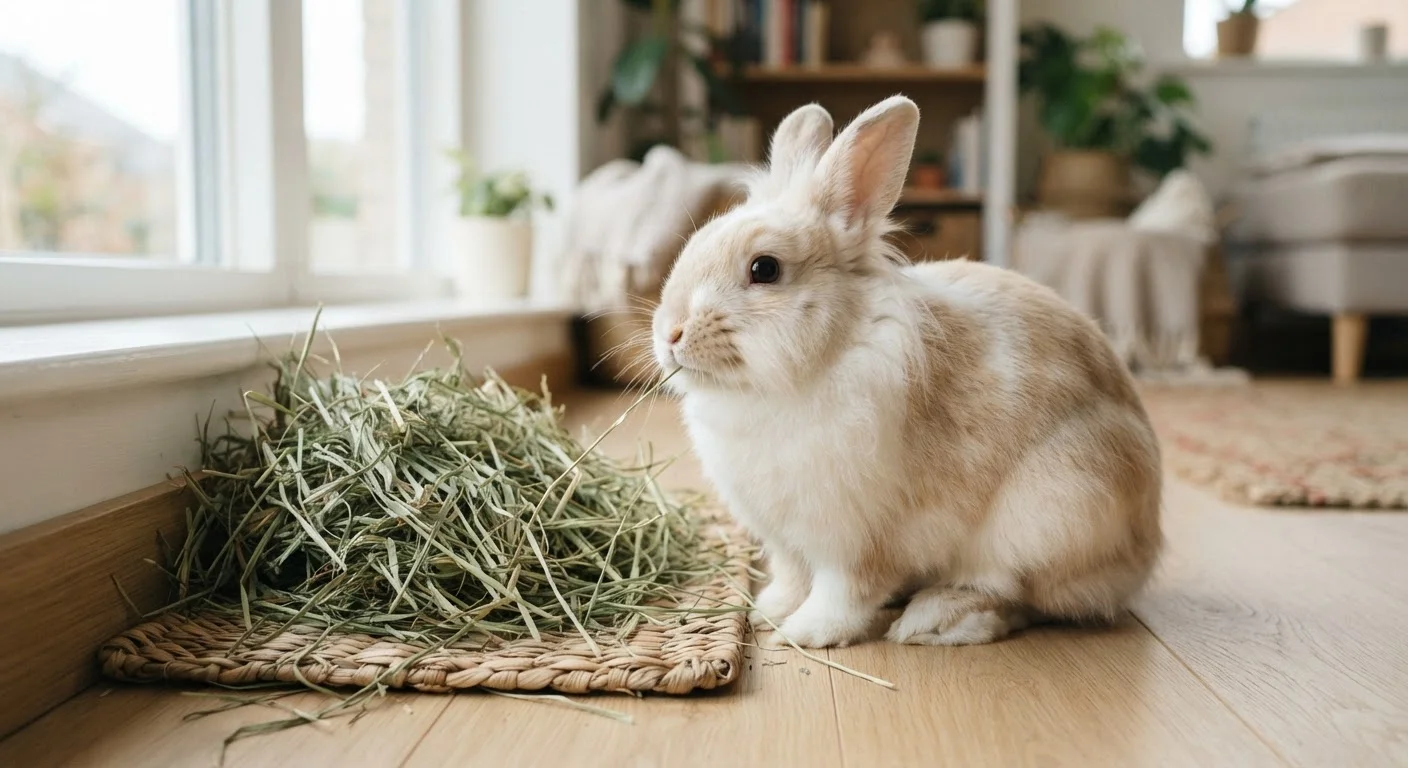
Photo: FaqsDrive.com | Smart Way To Search editorial
Key Takeaways
- Hay — not pellets or carrots — should make up the bulk of a rabbit's daily diet.
- Rabbits are social animals and generally suffer when kept completely alone.
- Rabbits require specialized exotic-animal veterinary care, not standard dog-and-cat vets.
- Picking up a rabbit incorrectly can fracture its spine — handling technique matters enormously.
- Indoor rabbits need far more space and daily exercise than most small cages provide.
Why Rabbit Myths Are Genuinely Dangerous
Rabbits occupy an odd space in popular culture — they're seen as simple, inexpensive pets that require little more than a pellet bowl and a hutch. That image has real consequences. Misconceptions about rabbit care don't just lead to a subpar experience; several of the most widespread myths directly cause suffering, preventable illness, and shortened lifespans.
The good news is that correcting these misunderstandings isn't complicated. Rabbits have straightforward needs once you understand what those needs actually are. The myths below are among the most commonly believed — and the most likely to do harm.
Myth
Rabbits are low-maintenance starter pets that live happily in a small hutch.
Fact
Rabbits are intelligent, active animals that need significant space, daily exercise, and mental stimulation.
The idea that rabbits are easy, hands-off pets likely comes from outdated keeping practices. In reality, rabbits need a living area large enough to take several full hops, stand upright on their hind legs, and stretch out completely. Confining a rabbit to a cramped cage for most of the day causes chronic stress and physical health problems. They also require daily interaction and environmental enrichment — tunnels, chew toys, and opportunities to explore — to stay mentally healthy. If you're weighing what daily life with a rabbit actually involves, here's an honest picture of house rabbit ownership before you commit.
Myth
Carrots are a rabbit's favorite and healthiest food.
Fact
Hay should make up roughly 80% of a rabbit's diet; carrots are a high-sugar treat to be given sparingly.
Cartoons have done rabbits a disservice here. While rabbits may eagerly eat carrots, the vegetable is high in natural sugars that can unbalance gut bacteria and contribute to obesity when fed regularly. A healthy rabbit diet is built on unlimited grass hay (such as timothy or orchard grass), a measured amount of leafy greens, and a modest daily serving of plain pellets. Understanding how to structure a rabbit's full feeding routine can prevent many common health issues.
Myth
Rabbits are solitary animals that prefer to be alone.
Fact
Rabbits are social by nature and typically thrive with a bonded companion of their own species.
Wild rabbits live in social groups, and domestic rabbits retain that need for companionship. A rabbit kept in isolation can develop signs of depression, lethargy, and destructive behavior. Many rabbit welfare organizations recommend keeping rabbits in bonded pairs (typically spayed or neutered to prevent fighting and unwanted litters). While some individual rabbits do adjust to single-pet living with significant human interaction, isolation should not be the default setup for a new owner.
Myth
Any veterinarian can treat a rabbit.
Fact
Rabbits are considered exotic animals, and their care requires a vet with specific training in exotic or small mammal medicine.
A general-practice vet who primarily sees dogs and cats may have limited experience with rabbit anatomy, appropriate medications, and species-specific conditions like GI stasis or dental overgrowth. Using an unqualified vet can result in misdiagnosis or incorrect treatment. Before bringing a rabbit home, identify a vet who lists rabbits or exotic small mammals among their specialties. Finding the right exotic-animal vet takes a bit of research but is an essential first step.
Myth
Rabbits don't need to see a vet unless they appear obviously sick.
Fact
Rabbits are prey animals that instinctively hide illness; annual wellness exams are important for catching problems early.
Because rabbits evolved to conceal vulnerability from predators, they often mask pain and illness until a condition becomes serious. By the time a rabbit looks visibly unwell, the problem may already be advanced. Annual check-ups with a qualified exotic-animal vet allow for dental assessments (overgrown teeth are a leading health issue), weight monitoring, and early detection of conditions that are far easier to treat when caught promptly.
Building Better Habits From the Start
Most rabbit-care mistakes come from information that was passed down casually — from pet store staff, children's books, or old-fashioned husbandry guides that no longer reflect what animal welfare science tells us. Starting with accurate information is the single most valuable thing a new owner can do.
Carrots and Fruit Are High in Sugar
Feeding carrots or fruit as everyday treats is one of the most common rabbit-care mistakes. The high sugar content can disrupt gut bacteria, lead to obesity, and contribute to digestive problems. Reserve these items as very occasional treats — a thumbnail-sized piece at most — rather than dietary staples.
A few practical habits make an immediate difference: offer unlimited grass hay at all times, give your rabbit at least a few hours of roaming time outside its enclosure each day, and watch for subtle behavioral changes that could signal a health issue — reduced appetite, hunched posture, or fewer droppings are all reasons to contact an exotic-animal vet promptly.
Incorrect Handling Can Be Fatal
A rabbit's skeleton is lightweight relative to its powerful hind legs. If a rabbit kicks while being held improperly, it can fracture its own spine — a life-threatening injury. Always support the hindquarters fully when lifting, and keep handling sessions calm and low to the ground until your rabbit is comfortable.
Rabbit ownership is genuinely rewarding when it's grounded in accurate expectations. These animals are curious, affectionate, and long-lived — a well-cared-for rabbit can live 8 to 12 years — which makes getting their care right well worth the effort.

Pets & Animals Editorial Team
Pets & Animals Editorial Team is the collective byline for our editorial team and contributor network. Articles published under this byline or an editorial pen name are researched, written, and reviewed according to our editorial standards for clarity, consistency, and independence before publication.
View author profile