
Socializing Your Dog: Why the Window Matters More Than You Think
The socialization period in puppyhood is brief and critical. Learn what it is, why it shapes adult behavior, and how to make the most of it.
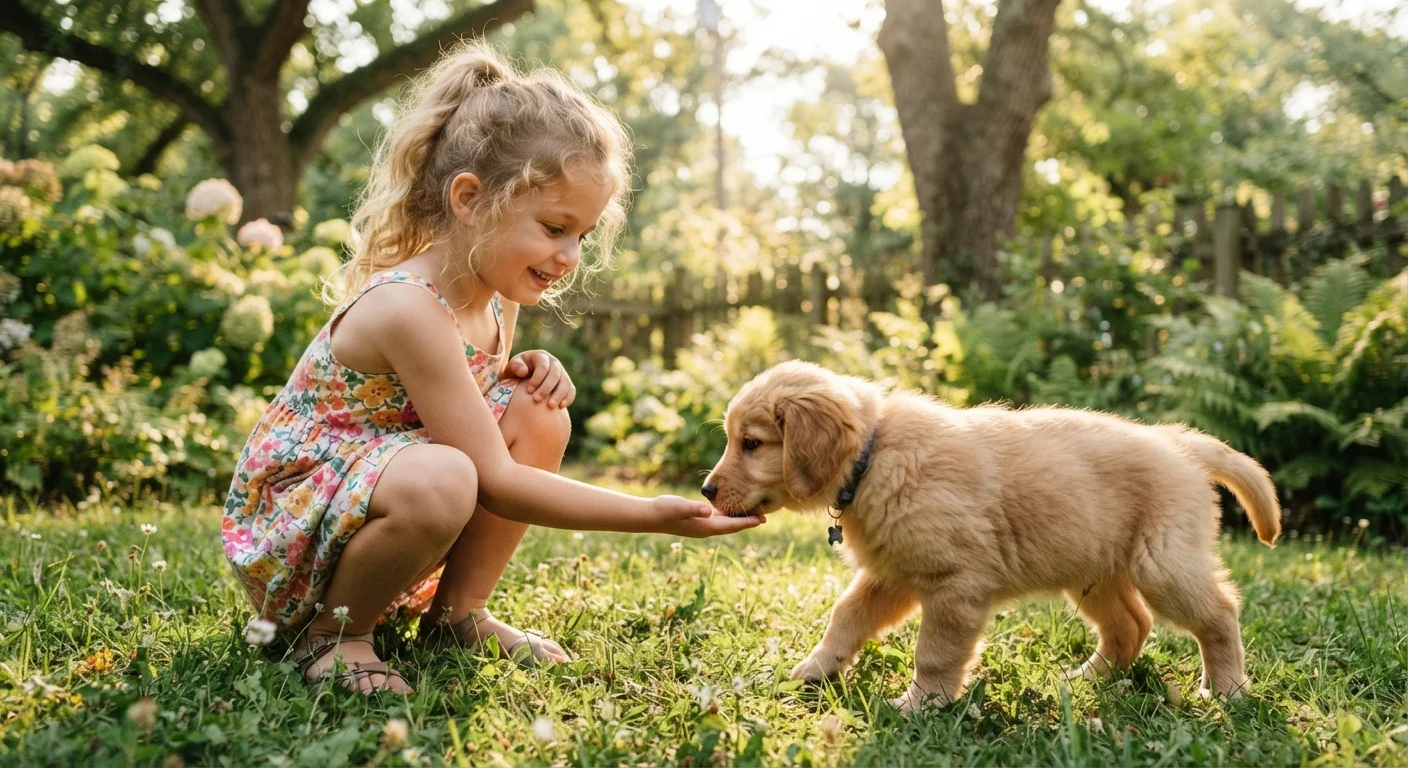
Photo: FaqsDrive.com | Smart Way To Search editorial
—— In This Article
Key Takeaways
- The socialization window runs roughly from 3 to 14 weeks — missing it has lasting behavioral consequences.
- Positive, low-stress exposures to people, sounds, and environments are more effective than quantity alone.
- Even partially vaccinated puppies can be socialized safely with appropriate precautions.
- Fear, avoidance, or aggression in adult dogs often traces back to under-socialization as puppies.
- Socialization doesn't stop at 14 weeks — ongoing positive experiences reinforce early learning throughout a dog's life.
What Happens Inside a Puppy's Brain During the Window
During the first few weeks of life, a puppy's brain undergoes rapid development. The period between roughly 3 and 14 weeks is unique because the neural pathways responsible for fear are not yet fully activated. This means new sights, sounds, people, and animals are more likely to register as ordinary rather than threatening — but only if the puppy actually encounters them.
What the brain essentially does during this window is build a template: a mental map of what the world looks and feels like. Experiences that fall inside that map later in life feel familiar and manageable. Experiences that fall outside it — a child running, a man with a beard, a vacuum cleaner, a crowded street — can trigger anxiety or defensive behavior in an adult dog who never encountered them as a puppy.
This isn't about training in the traditional sense. It's about exposure. The puppy doesn't need to perform a task — it simply needs to be present for positive or neutral encounters and come away unharmed.
Socialization Is Not the Same as Training
Many new owners confuse socialization with obedience training. They're different. Socialization is about building familiarity and positive associations with the world — it doesn't require a puppy to sit, stay, or follow commands. A socialized puppy simply needs to experience new things calmly and come away feeling safe. Formal training can begin at the same time, but the two goals are distinct.
Why the Timing Is So Critical
The socialization window doesn't stay open indefinitely. After approximately 14 weeks, the brain's fear circuits become much more active, and the default response to something unfamiliar shifts from curiosity to caution. A 16-week-old puppy encountering a skateboard for the first time is more likely to startle than a 7-week-old puppy having the same experience.
This is why the weeks between bringing a puppy home — often around 8 weeks — and the window's close around 12 to 14 weeks are so valuable and so easy to waste. New owners sometimes wait until vaccinations are complete before venturing out, which can mean the most neurologically receptive period passes with the puppy seeing only the inside of one home.
For guidance on balancing early socialization with vaccine timing, see our overview of puppy vaccination schedules. The short answer: most veterinary organizations support carefully managed socialization before the full vaccine series is complete, because the behavioral risks of isolation often outweigh the health risks of cautious, controlled exposure.
Carry Treats on Every Outing
During the socialization window, always have small, soft treats on hand when you take your puppy out. Every time your puppy notices something new — a bicycle, a stranger, a loud truck — and doesn't react with fear, mark the moment with a treat and calm praise. This simple habit builds thousands of positive associations over just a few weeks.
What Good Socialization Actually Looks Like
Effective socialization is not about overwhelming a puppy with stimulation. It's about deliberate, low-pressure encounters that end on a positive note. A few principles guide the process:
- Go at the puppy's pace. If the puppy freezes, retreats, or shows stress signals like yawning, lip-licking, or tucked tail, the experience is too intense. Back off and try a gentler version.
- Pair new things with something good. A small treat or calm praise when the puppy notices a new sound or person creates a positive association. The puppy learns: unfamiliar things predict good things.
- Vary the experiences broadly. People of different ages, sizes, and appearances; different floor surfaces; car rides; household appliances; other animals. The goal is breadth, not depth.
- Keep sessions short. Puppies tire easily. A few genuine encounters per outing is enough.
If you're planning the rest of your puppy's introduction to home life alongside socialization, our guide to bringing a dog home for the first time walks through the broader setup process.
When the Window Has Closed: What Comes Next
Under-socialized dogs aren't hopeless — but they do require more patient, structured work. Adult dogs that show fear, reactivity, or avoidance around specific triggers can improve through desensitization (very gradual, controlled exposure) and counterconditioning (pairing the trigger with something the dog loves). Progress is possible, but it tends to be slower and less complete than if socialization had happened during the critical window.
It's also worth understanding that ongoing socialization matters even for well-exposed dogs. A dog that had rich experiences as a puppy but was then isolated for months or years can lose some of its ease. Regular, positive encounters with people, dogs, and environments throughout a dog's life reinforce early learning and keep social skills sharp.
Behavioral issues that stem from socialization gaps — excessive barking at strangers, leash reactivity, fear of certain sounds — are common reasons dogs are surrendered or labeled as difficult. Understanding what different barking patterns communicate can help owners recognize when a behavior is rooted in anxiety rather than defiance. A certified professional dog trainer (CPDT) or veterinary behaviorist is the right resource when fear-based behavior is significant.
This article is for general informational purposes only. For guidance specific to your puppy's health and behavioral needs, consult a licensed veterinarian or certified veterinary behaviorist.
Frequently Asked Questions

Pets & Animals Editorial Team
Pets & Animals Editorial Team is the collective byline for our editorial team and contributor network. Articles published under this byline or an editorial pen name are researched, written, and reviewed according to our editorial standards for clarity, consistency, and independence before publication.
View author profile