
What New Owners Get Wrong About Feeding Their Dog
From free-feeding to portion confusion, these common feeding mistakes can affect your dog's weight and health over time.
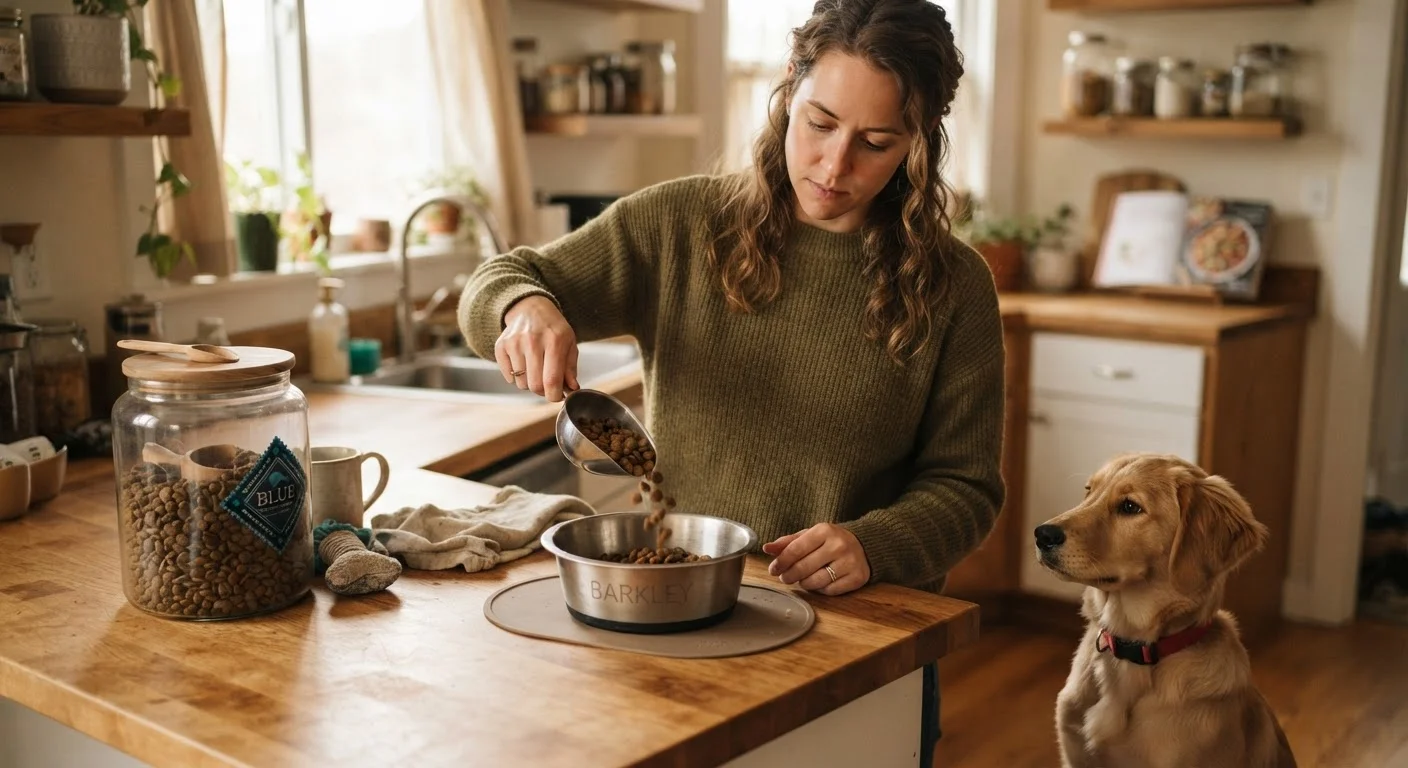
Photo: FaqsDrive.com | Smart Way To Search editorial
—— In This Article
Key Takeaways
- Free-feeding — leaving food out all day — is one of the most common causes of canine obesity.
- Package feeding guidelines are a starting point, not a prescription; your dog's actual needs vary.
- Table scraps and excessive treats can unbalance a dog's diet and contribute to weight gain.
- Switching foods too quickly causes digestive upset; gradual transitions over 7–10 days are recommended.
- Puppies, seniors, and pregnant dogs have distinct nutritional needs that differ from adult maintenance diets.
Why Feeding Seems Simple — But Isn't
Most new dog owners expect feeding to be the easy part of pet ownership. Pour food in a bowl, done. But feeding is one of the areas where well-meaning mistakes accumulate quietly over months, often showing up later as weight problems, digestive issues, or nutritional gaps.
If you're setting up your home for a new dog for the first time, see our guide for first-time dog owners — it covers the full picture beyond feeding. For now, understanding these common errors can help you build better habits before they become hard to break.
Free-feeding — leaving dry food available around the clock so the dog can eat whenever it likes.
Why it happens: It feels kind and convenient, and owners assume dogs will self-regulate. Some do, but many don't, especially breeds with strong food drive.
Treating the bag's feeding chart as a precise, universal prescription.
Why it happens: The label is the most visible guidance available, and it looks authoritative. But those ranges are broad estimates designed for an average dog — not yours specifically.
Switching dog foods abruptly when changing brands or formulas.
Why it happens: Owners assume that if the new food is high quality, switching immediately is fine. The digestive system needs time regardless of food quality.
Underestimating how much calories in treats and table scraps add up.
Why it happens: Individual treats seem small and harmless, and sharing food feels like bonding. Owners rarely track treat calories alongside meal calories.
Feeding a puppy on an adult maintenance formula, or an adult dog on puppy food long-term.
Why it happens: Life-stage labeling on bags can be confusing, and owners may not realize the nutritional profiles differ meaningfully between formulas.
How to Build Smarter Feeding Habits
Once you recognize these mistakes, the path forward is straightforward. Scheduled meals — typically two per day for adult dogs — give you daily insight into your dog's appetite, which is itself a health signal. A dog that suddenly ignores food it normally loves is worth a call to your veterinarian.
59%
U.S. dogs classified as overweight or obese
According to the Association for Pet Obesity Prevention's annual surveys, more than half of pet dogs in the U.S. are above their ideal body weight.
10%
Maximum recommended treat share of daily calories
Veterinary nutrition guidelines broadly suggest treats should not exceed 10% of a dog's total daily caloric intake to avoid dietary imbalance.
Portion size should be calibrated to your dog's current weight, target weight, activity level, and life stage — not just the bag's chart. When in doubt, ask your vet to help you calculate a target calorie range. This matters especially as dogs age; senior dogs often need fewer calories but higher-quality protein to maintain muscle mass.
Diet type is also worth thinking through carefully. The raw diet vs. commercial kibble comparison walks through the nutritional trade-offs of both approaches so you can make an informed choice rather than a trend-driven one.
Treats should make up no more than 10% of your dog's daily caloric intake — a guideline most veterinary nutritionists support. Use small pieces during training, account for them in daily totals, and avoid regularly sharing human food. Many foods safe for humans — grapes, onions, xylitol-sweetened products — are toxic to dogs.
For a broader look at what dog ownership actually involves — including feeding, health care, and ongoing costs — the complete dog ownership guide is a useful ongoing reference.
This article is for general informational purposes only and is not a substitute for personalized veterinary advice. Always consult a licensed veterinarian for guidance specific to your dog's health and nutritional needs.

Pets & Animals Editorial Team
Pets & Animals Editorial Team is the collective byline for our editorial team and contributor network. Articles published under this byline or an editorial pen name are researched, written, and reviewed according to our editorial standards for clarity, consistency, and independence before publication.
View author profile