
Whole Foods vs. Processed Foods: What the Difference Really Means
Understand what separates whole foods from processed ones and why the distinction matters for your daily diet.
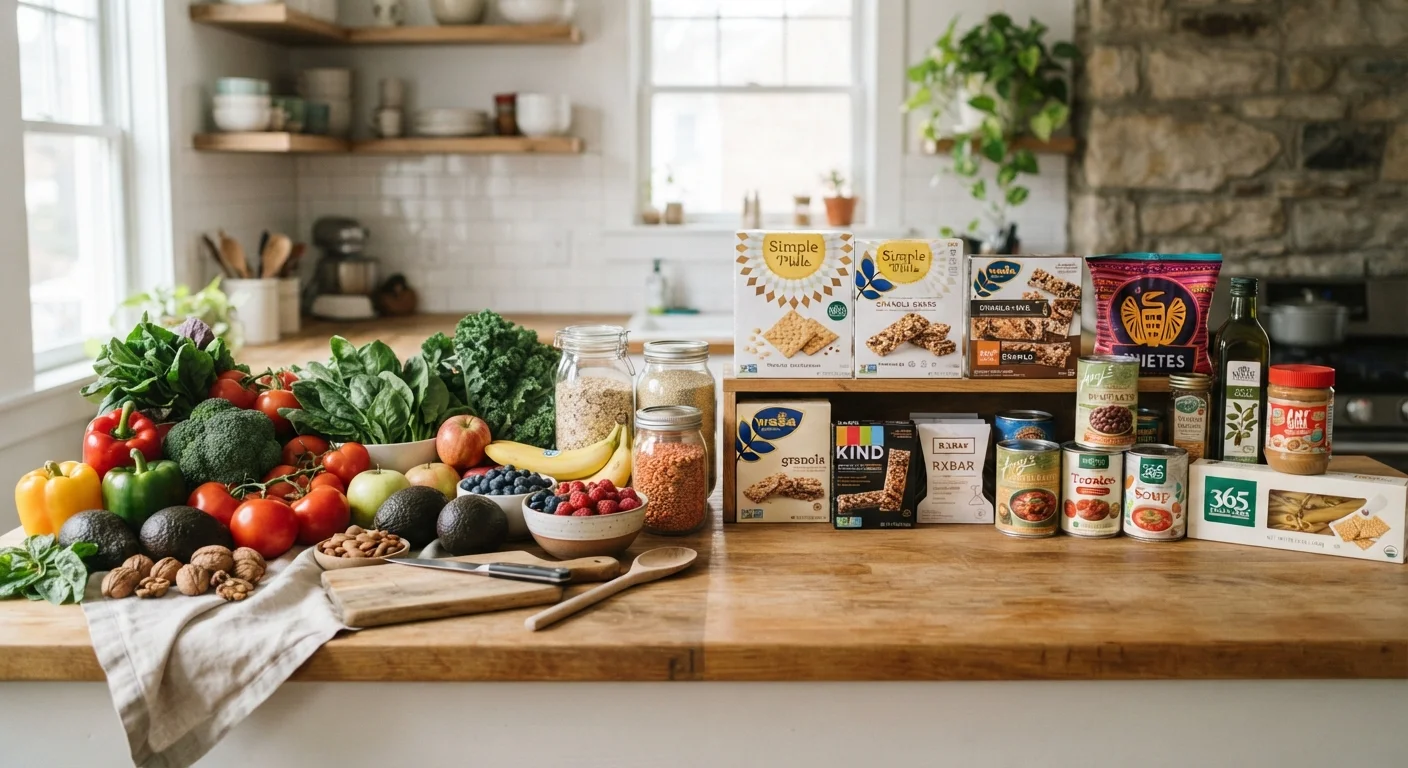
Photo: FaqsDrive.com | Smart Way To Search editorial
—— In This Article
Key Takeaways
- Processing exists on a spectrum — not all processed foods are nutritionally poor choices.
- Whole foods generally retain more fiber, vitamins, and minerals than heavily processed alternatives.
- Ultra-processed foods often contain high levels of added sugars, sodium, and artificial additives.
- Reading ingredient lists is a practical way to gauge how processed a food really is.
- Both whole and minimally processed foods can form part of a balanced, realistic everyday diet.
Defining the Terms: What 'Whole' and 'Processed' Actually Mean
The word "processed" gets used loosely, and that's part of what makes this conversation confusing. In nutrition science, processing simply refers to any change made to a food from its raw state — which means even washing, chopping, freezing, or cooking technically counts. By that definition, almost everything we eat has been processed in some way.
A more useful framework comes from the NOVA classification, developed by researchers at the University of São Paulo. It groups foods into four categories based on the extent and purpose of their processing:
- Group 1 – Unprocessed or minimally processed foods: fresh fruits, vegetables, plain meats, eggs, and plain milk.
- Group 2 – Processed culinary ingredients: oils, flours, sugar, and salt used in home cooking.
- Group 3 – Processed foods: items with a few added ingredients for preservation or flavor, like canned vegetables, cheese, or cured meats.
- Group 4 – Ultra-processed foods: industrial formulations with many additives — think flavored chips, packaged pastries, and sugary cereals.
When most health educators say "whole foods," they mean Group 1. When they warn about "processed foods," they're usually referring to Group 4. Knowing where a food lands on this spectrum is far more useful than a blanket label.
How Processing Affects Nutritional Value
Processing can both add and subtract from a food's nutritional profile, depending on how it's done. Here's where the real differences emerge:
What can be lost: Milling whole grains into white flour strips away the bran and germ — the parts that contain most of the fiber, B vitamins, and minerals. Similarly, high-heat processing can degrade heat-sensitive vitamins like vitamin C. The more extensive the transformation, the greater the potential for nutrient loss.
What can be added — for better or worse: Manufacturers may enrich processed foods with specific vitamins and minerals to compensate for what's lost (many breakfast cereals are fortified this way). However, ultra-processed foods also tend to contain high amounts of added sugars, sodium, and saturated fats — ingredients associated with a range of chronic health concerns when consumed in large quantities over time, according to research published in journals such as BMJ and JAMA Internal Medicine.
Understanding the difference between natural and added sugars is one practical step toward reading these trade-offs clearly.
| Criterion | Whole Foods | Ultra-Processed Foods |
|---|---|---|
| Ingredient complexity | One or few natural ingredients | Many additives, preservatives, flavorings |
| Fiber content | Naturally high in most cases | Often low; removed during processing |
| Added sugar | None; only naturally occurring | Frequently high |
| Sodium levels | Naturally low | Often significantly elevated |
| Shelf life | Short; perishable | Long; stabilized by additives |
| Preparation required | Typically more prep time | Minimal; ready to eat or quick to prepare |
| Micronutrient retention | High; naturally preserved | Variable; may be added back artificially |
This article is for general informational and educational purposes only and is not a substitute for personalized medical or dietary advice. Consult a qualified healthcare professional or registered dietitian for guidance specific to your health needs.
Reading Labels to Understand What You're Actually Eating
One of the most empowering skills in everyday nutrition is learning to read a food label critically — not to fear what you find, but to make more informed choices. Ingredient lists are arranged in descending order by weight, so the first few ingredients tell you the most about what a product is primarily made of.
A short ingredient list with recognizable items (like "oats, honey, almonds") usually signals less processing. A long list packed with chemical-sounding names, multiple forms of sugar, or additives you'd never cook with at home is often a signal of ultra-processing — even if the front of the package says something like "natural" or "wholesome."
A Note on "Natural" Label Claims
In the United States, the FDA has not formally defined the term "natural" on food labels, which means it carries no standardized regulatory meaning. A product labeled "all-natural" can still contain high amounts of added sugar or sodium, and can fall into the ultra-processed category. Checking the actual ingredient list is always more informative than front-of-package claims.
For a deeper look at decoding Nutrition Facts panels, reading a nutrition label without getting confused walks through serving sizes, daily values, and ingredient lists step by step. And if marketing language on packaging trips you up, reading past food marketing claims can help you sort signal from noise.
Finding a Realistic Balance in Everyday Eating
It's worth resisting the urge to divide the world of food into "good" and "bad." Research consistently shows that dietary patterns matter more than any single food choice. A diet centered on whole and minimally processed foods — with plenty of vegetables, fruits, legumes, whole grains, and lean proteins — is associated with positive long-term health outcomes. But rigid thinking about food can create unnecessary stress, which has its own wellness costs.
Practical strategies worth considering (not prescriptions):
- Build meals around whole-food ingredients when cooking at home — they're often cheaper per serving than packaged alternatives.
- When buying packaged foods, favor those in NOVA Groups 2 or 3 over Group 4 where possible.
- Frozen and canned vegetables without added salt or sauce are genuinely nutritious options — don't discount them.
- Focus on overall patterns over weeks, not individual meals.
Understanding what carbohydrates, protein, and fat actually do in your body can also help you evaluate any food — whole or processed — within the broader context of a balanced diet.
57%
Share of calories from ultra-processed foods in average U.S. diet
A study published in BMJ Open (2016) estimated that ultra-processed foods account for more than half of daily caloric intake among American adults.
4x
More additives in ultra-processed vs. minimally processed foods
Research using the NOVA classification framework found ultra-processed products contain significantly more additives on average than minimally processed alternatives.
~30g
Daily fiber recommended for most adults by dietary guidelines
According to the Dietary Guidelines for Americans, most adults fall well short of this target — a gap often linked to low intake of whole plant foods.

Health & Wellness Editorial Team
Health & Wellness Editorial Team is the collective byline for our editorial team and contributor network. Articles published under this byline or an editorial pen name are researched, written, and reviewed according to our editorial standards for clarity, consistency, and independence before publication.
View author profile