
Reading a Nutrition Facts Label Without Getting Confused
Decode serving sizes, daily values, and ingredient lists so you can make more informed food choices at a glance.
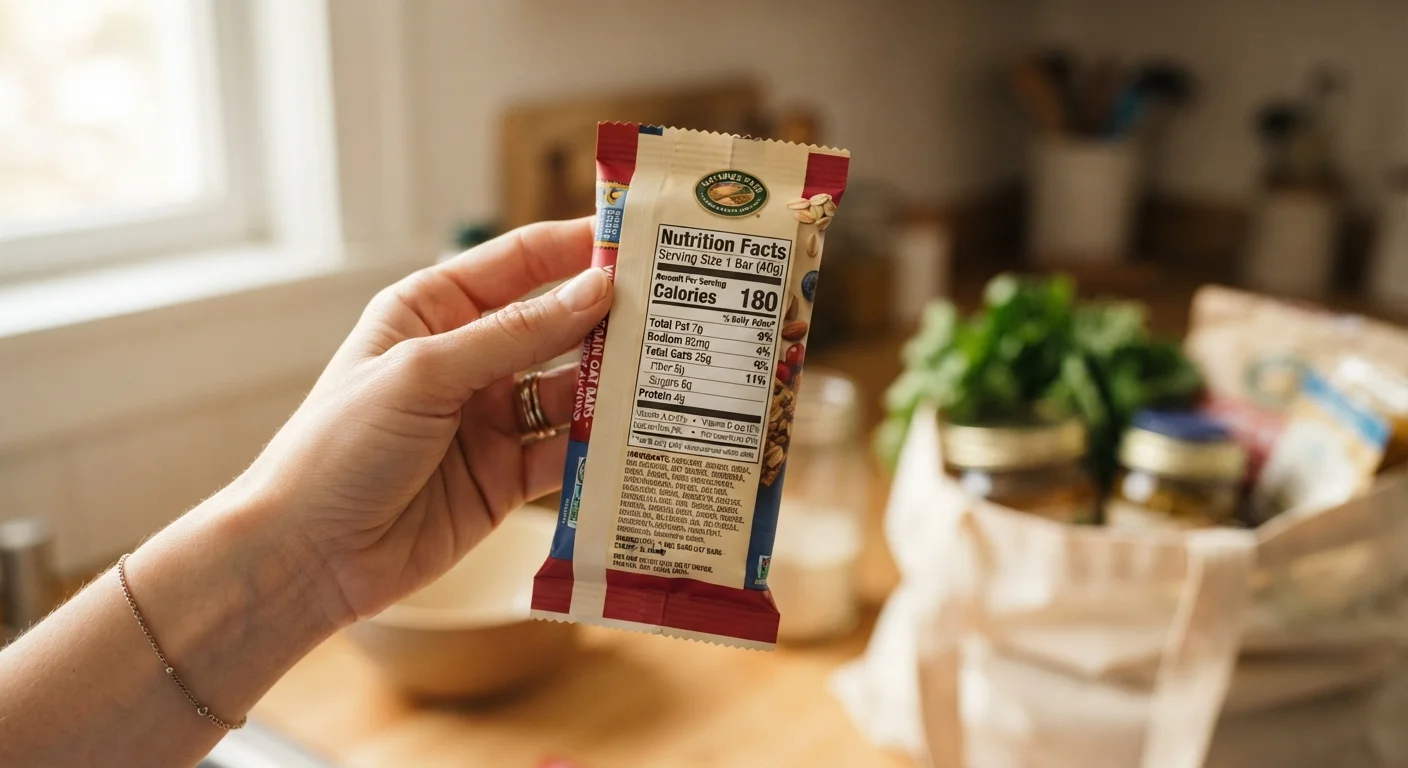
Photo: FaqsDrive.com | Smart Way To Search editorial
—— In This Article
Key Takeaways
- Serving size is the foundation of the label - all other numbers are tied to it.
- % Daily Value (%DV) tells you how much a nutrient contributes to a 2,000-calorie reference diet.
- Aim to limit saturated fat, sodium, and added sugars; look for fiber, vitamins, and minerals.
- The ingredient list is ordered by weight - what appears first is most abundant in the food.
- No single number makes a food 'good' or 'bad' - context and overall eating patterns matter most.
Why the Nutrition Facts Label Exists
The Nutrition Facts label is a standardized tool required by the U.S. Food and Drug Administration (FDA) on most packaged foods. Its purpose is straightforward: give consumers reliable, consistent information so they can compare foods and understand what they're actually eating. The label was redesigned in 2016 to make key information - like calories and added sugars - easier to spot at a glance.
Think of the label as a snapshot of a food's nutritional profile per serving. It won't tell you whether a food fits your personal health goals - that's a conversation to have with a registered dietitian or your healthcare provider - but it gives you a meaningful starting point. Understanding what each section means puts you in a much stronger position every time you shop. For a broader look at how food choices fit together, see our guide to building a balanced plate.
What you will need
How to Read the Label Step by Step
Once you know what to look for, scanning a Nutrition Facts label takes less than a minute. Work your way down the label in order - each section builds on the one above it.
Start with the serving size
The very first line under "Nutrition Facts" is the serving size, followed by the number of servings per container. Every single number on the label - calories, fat, sodium, everything - reflects one serving, not the whole package. Before reading anything else, decide how many servings you're likely to eat and scale accordingly.
Check the calories
Calories measure the energy one serving provides. The updated label displays calories in a larger, bolder font precisely because it's one of the most referenced figures. Keep in mind that calories alone don't tell the whole story - 200 calories of almonds and 200 calories of a cookie deliver very different nutrients. For more nuance on this, see our article on calories in, calories out.
Understand % Daily Value (%DV)
The % Daily Value column on the right side of the label tells you what percentage of a day's recommended intake of each nutrient one serving provides, based on a 2,000-calorie reference diet. A quick rule of thumb: 5% DV or less is considered low; 20% DV or more is considered high. Use %DV to compare similar products or to gauge whether a food is a meaningful source of a particular nutrient.
Identify nutrients to limit
Look for saturated fat, sodium, and added sugars - nutrients most Americans consume in excess, according to the Dietary Guidelines for Americans. High %DV values for these are worth noticing, especially if you're eating that food regularly. Trans fat is also listed; dietary guidance from major health organizations generally recommends keeping it as low as possible.
Look for nutrients to encourage
Scan for dietary fiber, vitamin D, calcium, iron, and potassium - nutrients many Americans fall short on. Higher %DV for these is generally a positive sign. The label also shows total carbohydrates broken out into fiber and sugars, and total fat broken out by type, which helps you see the quality of those macronutrients, not just the quantity. To learn more about vitamins and minerals, our micronutrients overview is a helpful reference.
Read the ingredient list
The ingredient list appears below the Nutrition Facts panel and is ordered by weight - the ingredient present in the greatest amount comes first. A short list isn't automatically better, and a long list isn't automatically worse, but the order can reveal a lot. If sugar (under any of its many names - cane syrup, dextrose, maltose, etc.) appears among the first three ingredients, the food is likely high in added sugars regardless of what the front label says.
Use %DV to Compare Products Quickly
When choosing between two similar products - say, two types of bread - line up their %DV columns for fiber, sodium, and added sugars. You don't need to crunch any math; the percentages do the work for you. This is one of the fastest ways to make a more informed choice without overthinking it.
For a deeper dive into one of the nutrients you'll see on every label, our article on understanding dietary fiber explains why fiber does more than aid digestion.
Common Pitfalls and What They Mean for You
Even careful readers can be tripped up by a few common label quirks.
- Multi-serving packages that look single-serving: A bottle of juice or a small bag of chips might contain two or three servings. Multiply every number by the servings you actually consume.
- "0 g trans fat" doesn't always mean zero: FDA rules allow products to list 0 g if they contain less than 0.5 g per serving. If you see "partially hydrogenated oil" in the ingredient list, some trans fat is present.
- Healthy-sounding labels aren't the same as the Nutrition Facts: Words like "natural," "multigrain," or "light" on the front of a package are marketing terms, not regulated nutrition claims. Always flip to the back.
- Added sugars vs. total sugars: Total sugars include sugars naturally present in food (like lactose in milk). Added sugars are those incorporated during processing - the updated label calls these out separately, which is genuinely helpful.
Understanding the difference between whole and processed foods can add useful context here. Our article on whole foods vs. processed foods unpacks what that distinction really means day to day.
Front-of-Package Claims Can Be Misleading
Terms like "reduced fat," "low sodium," or "sugar-free" are regulated by the FDA but only apply to the specific nutrient named - the rest of the product's profile could still be high in other less-desirable nutrients. Always pair front-of-package claims with a look at the full Nutrition Facts label and ingredient list before drawing conclusions.
Putting It All Together
Reading a label is a skill that gets faster and more intuitive with practice. The goal isn't to obsess over every gram - it's to build awareness so that your choices feel deliberate rather than accidental. Small habits, like checking the serving size before pouring a bowl of cereal, can quietly add up over time. Our article on habits that quietly undermine an otherwise healthy diet shows how easy it is for even well-meaning patterns to drift.
Once you're comfortable reading labels in the store, a natural next step is planning what goes into your cart with intention. Our grocery shopping checklist makes that process straightforward without adding stress.
This article provides general nutrition education and is not a substitute for personalized advice from a qualified healthcare professional or registered dietitian. If you have specific health conditions or dietary needs, please consult a professional before making significant changes to your diet.

Health & Wellness Editorial Team
Health & Wellness Editorial Team is the collective byline for our editorial team and contributor network. Articles published under this byline or an editorial pen name are researched, written, and reviewed according to our editorial standards for clarity, consistency, and independence before publication.
View author profile