
Macronutrients Explained: What Carbs, Protein, and Fat Actually Do
Learn what carbohydrates, protein, and fat do in your body and why all three matter for everyday health.
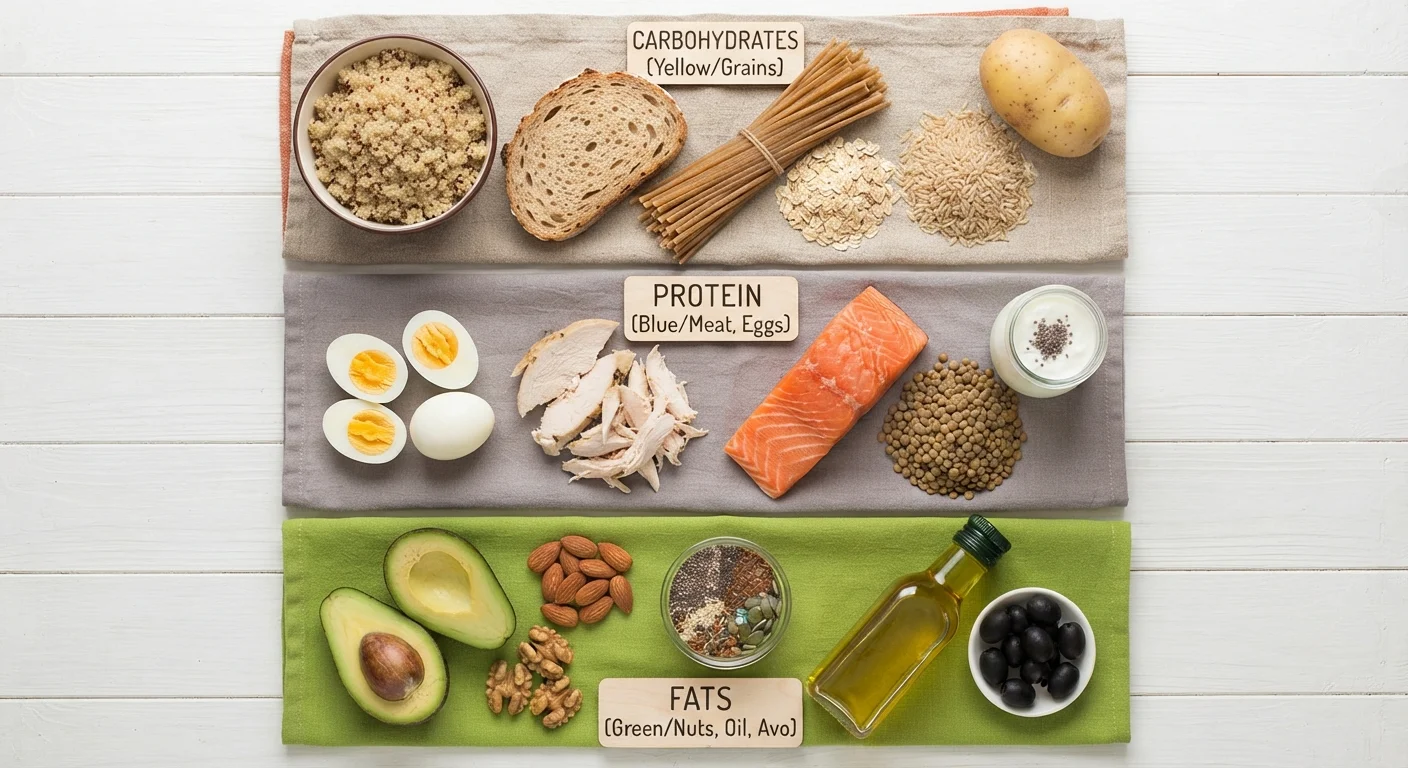
Photo: FaqsDrive.com | Smart Way To Search editorial
—— In This Article
Key Takeaways
- All three macronutrients - carbs, protein, and fat - serve essential, irreplaceable roles in the body.
- Carbohydrates are the body's primary and most efficient fuel source, especially for the brain.
- Protein supplies amino acids used to build, repair, and maintain virtually every tissue in your body.
- Dietary fat is critical for hormone production, brain health, and absorbing fat-soluble vitamins.
- No single macronutrient is inherently 'bad' - balance and food quality matter more than elimination.
- Understanding macros helps you make more informed choices without following restrictive diet rules.
Why Macronutrients Matter
If you've ever looked at a nutrition label and wondered what all those numbers actually mean for your health, you're not alone. Nutrition can feel complicated - but at its core, food is built from three fundamental building blocks: carbohydrates, protein, and fat. These are called macronutrients, and understanding what each one does is one of the most useful things you can learn about eating well.
What makes macros so important is that your body genuinely needs all three to function - not in identical amounts, but consistently. No single macronutrient deserves to be feared or cut out entirely. Instead, thinking about how they work together gives you a clearer, calmer relationship with food. For a closer look at how these nutrients appear on packaging, see our guide to reading nutrition labels.
45-65%
Recommended calorie share from carbohydrates
According to the Dietary Guidelines for Americans, carbohydrates should make up roughly 45-65% of total daily calorie intake for most adults.
10-35%
Recommended calorie share from protein
The Dietary Reference Intakes set by the National Academies suggest protein should account for 10-35% of daily calories for adults.
20-35%
Recommended calorie share from fat
Health authorities including the National Academies recommend that fat make up 20-35% of total daily calorie intake for healthy adults.
Carbohydrates: Your Body's Preferred Fuel
Carbohydrates often get a bad reputation, but they're actually your body's fastest and most efficient energy source. When you eat carbs - whether from bread, fruit, beans, or vegetables - your digestive system breaks them down into glucose (a simple sugar), which your cells use to power everything from walking to thinking.
Your brain, in particular, runs almost exclusively on glucose under normal circumstances. That mid-afternoon mental fog you feel when you've skipped lunch? Often, it's your brain signaling that it needs more fuel.
Not all carbs behave the same way in the body. Complex carbohydrates - found in whole grains, legumes, and most vegetables - are digested more slowly and come packaged with fiber, vitamins, and minerals. Simple carbohydrates - like those in table sugar or white bread - digest quickly, providing fast energy without much nutritional depth. Neither type is forbidden, but the balance between them shapes how steady your energy feels throughout the day. There's a lot of misleading information around carbs - our article on common nutrition myths separates fact from fiction.
Protein: The Body's Builder and Repairman
Protein is the macronutrient most people associate with muscle - and for good reason. But its role in the body goes far beyond the gym. Protein is made up of smaller units called amino acids, which your body uses as raw materials for building and repairing tissues, producing enzymes and hormones, and supporting immune function.
Your body can manufacture some amino acids on its own, but nine - known as essential amino acids - must come from food. Animal-based sources like meat, fish, eggs, and dairy contain all nine essential amino acids and are called complete proteins. Many plant-based sources - like beans, lentils, nuts, and grains - are incomplete on their own but can complement each other over the course of a day to cover all essential amino acids.
Protein also contributes to satiety, helping you feel fuller for longer after eating, which is one reason higher-protein meals tend to sustain energy and appetite better than carb-heavy ones alone.
“Protein is unique among the macronutrients in that it provides the nitrogen and amino acids essential not just for energy, but for the structure and function of virtually every cell in the body.”
— Walter Willett, Professor of Epidemiology and Nutrition, Harvard T.H. Chan School of Public Health
Fat: Essential, Not the Enemy
For decades, dietary fat was blamed for a range of health problems, and low-fat products flooded grocery store shelves. The science has since become more nuanced. Fat is not just a stored energy reserve - it's a critical nutrient your body depends on for multiple vital functions.
Fat helps your body absorb fat-soluble vitamins - A, D, E, and K - which simply can't enter the bloodstream without it. It also forms the structural basis of every cell membrane in your body, supports brain health (the brain is roughly 60% fat by dry weight), and plays a central role in hormone production.
The type of fat matters more than the total amount. Unsaturated fats - found in olive oil, avocados, nuts, and fatty fish - are broadly associated with heart health in the research. Saturated fats, found in red meat and full-fat dairy, are still a topic of ongoing scientific discussion. Trans fats, which were once common in processed foods, are widely considered harmful and have been largely removed from the food supply in the U.S.
To understand how fat and other macronutrients appear in everyday foods, it helps to explore what separates whole foods from processed ones.
Build a Balanced Plate Without Counting
A simple, practical approach is to fill roughly half your plate with vegetables and fruit, one quarter with a whole grain or starchy vegetable, and one quarter with a protein source - then add a small amount of healthy fat like olive oil, nuts, or avocado. This gives you a natural mix of all three macronutrients without any math required. It's a framework, not a rulebook - adjust it to suit your preferences and any guidance from your healthcare provider.
Putting It All Together
Rather than thinking of macronutrients as competing forces - one good, one bad - it helps to see them as collaborators. Most balanced meals naturally include all three: a grain or vegetable providing carbohydrates, a source of protein, and some healthy fat. This combination supports steady energy, nutrient absorption, and lasting satiety.
Macronutrients also interact with the smaller but equally vital world of vitamins and minerals. You can explore how they work alongside macros in our companion piece on micronutrients and what they do.
Everyone's nutritional needs are different, influenced by age, activity level, health status, and more. If you're looking for personalized guidance, a registered dietitian is the best-qualified professional to help you build an eating pattern that works specifically for you.
This article is for general informational and educational purposes only and is not a substitute for professional medical or nutritional advice. Consult a qualified healthcare provider or registered dietitian before making significant changes to your diet.
Frequently Asked Questions

Health & Wellness Editorial Team
Health & Wellness Editorial Team is the collective byline for our editorial team and contributor network. Articles published under this byline or an editorial pen name are researched, written, and reviewed according to our editorial standards for clarity, consistency, and independence before publication.
View author profile