
Grocery Shopping With Nutrition in Mind: A Practical Checklist
Use this aisle-by-aisle checklist to stock your kitchen with a variety of nutritious foods without overthinking it.
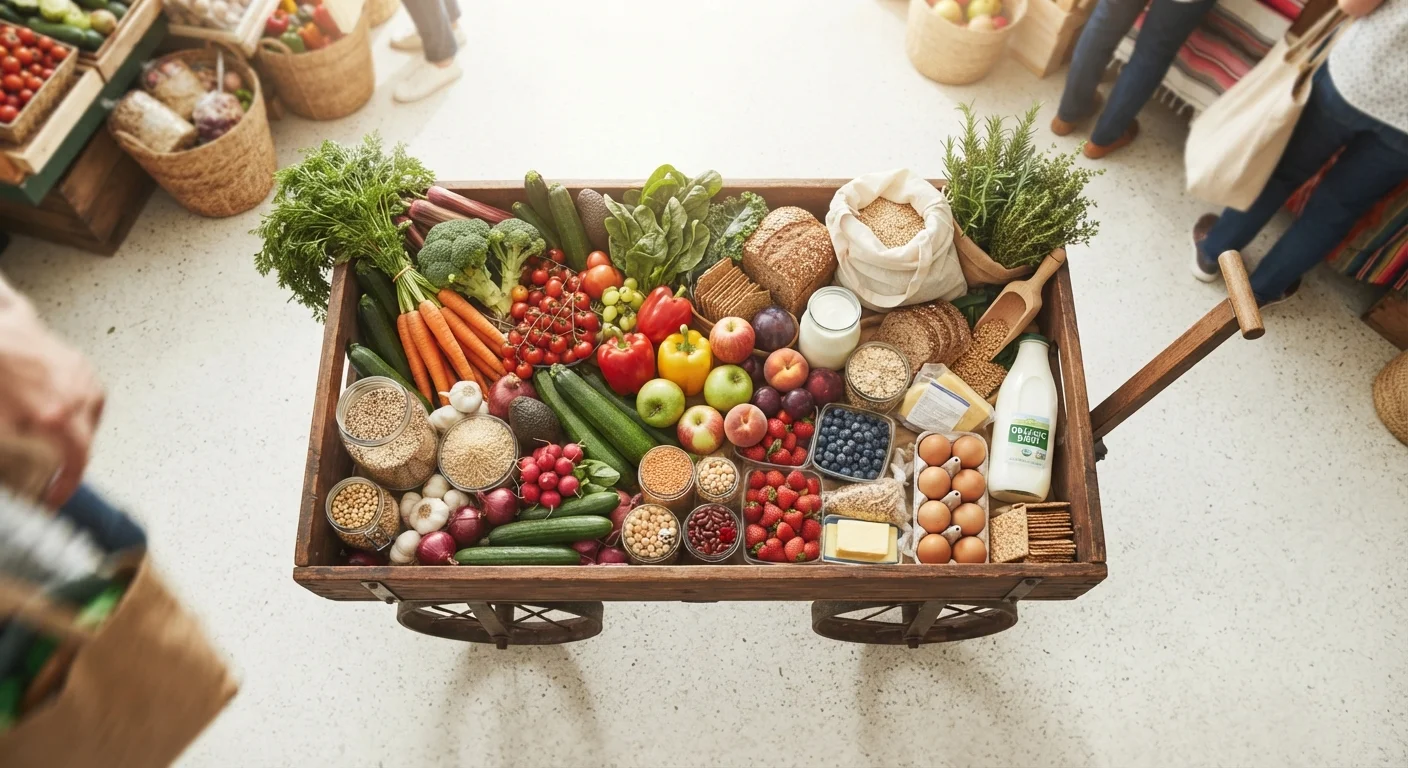
Photo: FaqsDrive.com | Smart Way To Search editorial
—— In This Article
Key Takeaways
- Shopping with a plan helps you bring home a wider variety of nutrient-rich foods.
- Most nutritious whole foods live on the store's perimeter - produce, dairy, meat, and seafood sections.
- Reading nutrition labels briefly can help you make more informed choices in packaged food aisles.
- Frozen and canned fruits and vegetables are legitimate, convenient, and nutritious options.
- No single shopping trip needs to be perfect - consistency over time matters most.
Why Intentional Grocery Shopping Matters
The foods you bring home are the foods you eat. It sounds obvious, but what's in your kitchen quietly shapes your daily nutrition more than any single meal choice. Research consistently shows that people eat more fruits, vegetables, and whole grains when those foods are accessible and visible at home.
This checklist is designed to take the guesswork out of a nutrition-minded grocery run - without pushing a rigid diet plan. Think of it as a flexible framework, not a rulebook. You get to decide what works for your household, budget, and preferences. For practical guidance on how these groceries translate into meals, see our guide to building a balanced plate.
Before you head to the store, gather the tools below to set yourself up for a smoother, more intentional trip.
Reusable shopping list (paper or app)
Keeps your trip organized by store section and prevents forgetting key items.
Insulated grocery bag
Keeps perishable proteins and dairy at safe temperatures during transport home.
Nutrition Facts label guide
A simple FDA reference sheet helps you quickly interpret packaged food labels in-store.
Your Aisle-by-Aisle Nutrition Checklist
Work through these groups as you shop or use them to plan your list beforehand. Each category focuses on food types rather than specific amounts - what's right for you depends on your individual health context. If you have specific dietary needs or health conditions, consult a registered dietitian or your healthcare provider for personalized guidance.
Before You Leave Home
Produce Section (Fruits & Vegetables)
Proteins
Grains & Pantry Staples
Dairy & Alternatives
Frozen & Canned Foods
Frozen and Canned Doesn't Mean Less Nutritious
Many shoppers assume fresh is always superior, but research - including findings from institutions like the University of California, Davis - has found that frozen fruits and vegetables can match or sometimes exceed fresh produce in certain vitamins, particularly when fresh items have been stored for several days. Canned foods are similarly valid choices. Look for low-sodium canned vegetables and canned fruits packed in juice rather than heavy syrup as easy, budget-friendly additions.
Reading Labels Without Overthinking It
Packaged foods are unavoidable, and many are genuinely useful. A quick label scan can go a long way. The Nutrition Facts panel - required on most U.S. packaged foods by the FDA - shows serving size, calories, and key nutrients. A few things worth a glance:
- Ingredient list: Ingredients are listed by weight. If whole foods appear early in the list, that's generally a good sign.
- Sodium: Processed foods are a leading source of excess sodium in American diets, according to the CDC. Comparing similar products can help you find lower-sodium options.
- Added sugars: The updated Nutrition Facts panel now separates added sugars from total sugars, making it easier to spot sweetened products.
- Fiber: Foods with more dietary fiber tend to support digestive health and satiety.
You don't need to scrutinize every label on every item. Focus your attention on products you buy regularly or in large quantities. Our article on vitamins and minerals your body relies on can help you understand what nutrients to prioritize.
Labels Inform - They Don't Decide
Nutrition labeling is a useful tool, not a pass/fail system for food. Many nutritious whole foods - fresh produce, bulk grains, eggs - carry no label at all. Use labels to compare similar packaged products or flag ingredients you're trying to monitor, but don't let them create unnecessary anxiety about eating. A varied, whole-food-forward cart will serve you well regardless of whether you scrutinize every package.
Grocery shopping and nutrition are deeply connected to your broader habits. Our piece on sensible habits for eating well over the long term offers a helpful companion perspective. And if budget is a concern, grocery budgeting strategies can help you stretch your food dollars without sacrificing nutrition.
This article is for general informational and educational purposes only and is not a substitute for professional medical or dietary advice. Always consult a qualified healthcare provider or registered dietitian for guidance tailored to your individual health needs.

Health & Wellness Editorial Team
Health & Wellness Editorial Team is the collective byline for our editorial team and contributor network. Articles published under this byline or an editorial pen name are researched, written, and reviewed according to our editorial standards for clarity, consistency, and independence before publication.
View author profile