
The Real Cost of Skipping Routine Maintenance
Putting off small maintenance tasks can lead to large repair bills. Here's a look at what neglect actually costs over time and why staying ahead pays off.
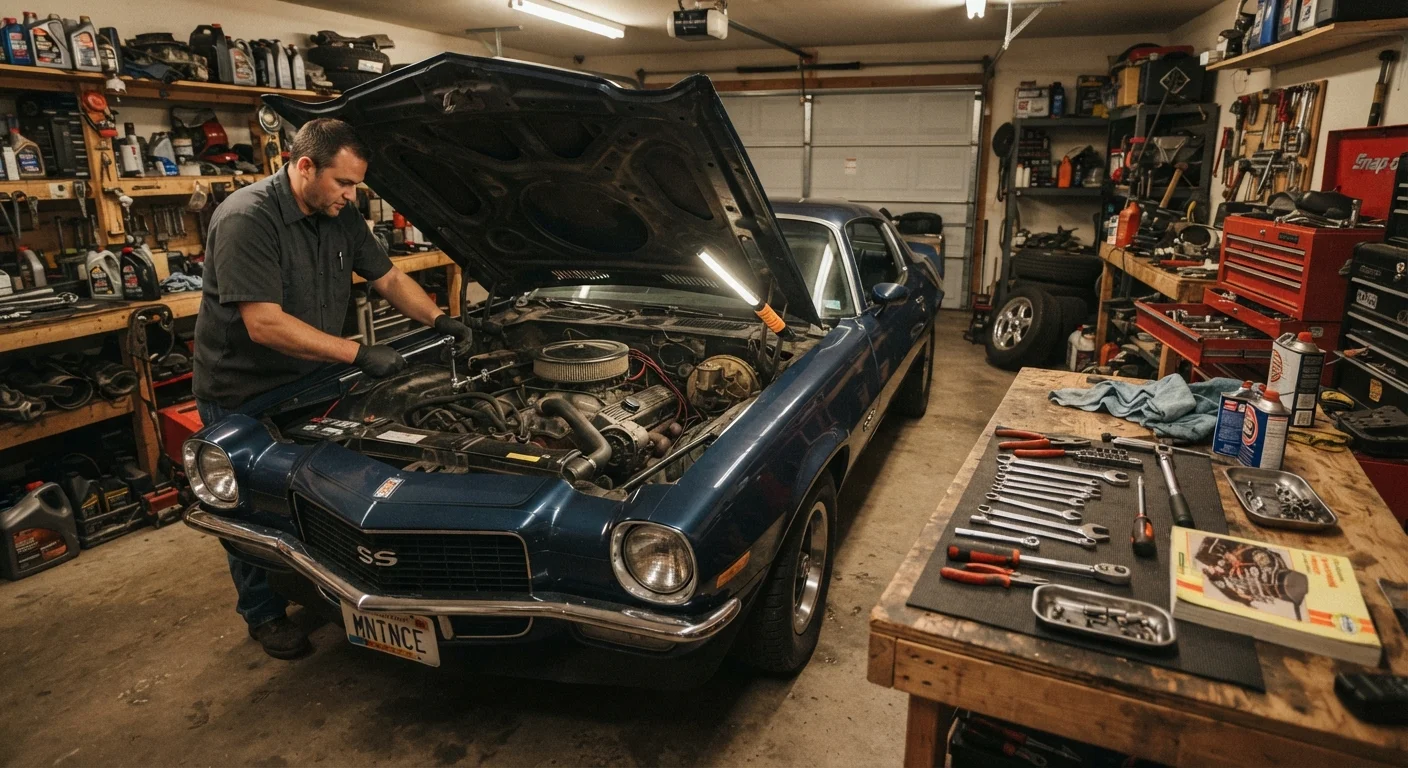
Photo: FaqsDrive.com | Smart Way To Search editorial
—— In This Article
Key Takeaways
- Skipping small, inexpensive maintenance tasks often leads to much larger, unexpected repair bills.
- Many drivers delay maintenance because costs feel invisible until something breaks down.
- Staying on a consistent service schedule protects both vehicle reliability and long-term resale value.
- Understanding what each maintenance task prevents helps beginners prioritize spending wisely.
Why Deferred Maintenance Costs More Than You Expect
It's easy to rationalize skipping an oil change or pushing past a tire rotation reminder - especially when money is tight and the car still seems to run fine. But that reasoning has a flaw: most mechanical failures don't announce themselves in advance. They build quietly over months, then surface as expensive emergencies at the worst possible moment.
The math is straightforward. An oil change typically runs between $30 and $75 depending on your vehicle and oil type. Replacing an engine that seized because of chronic oil neglect can cost $4,000 or more. That's not a hypothetical - it's one of the most common preventable repair scenarios mechanics see. The more you understand how your car's systems work, the easier it becomes to see exactly what's at stake when routine tasks get skipped.
$1,200+
Average unplanned car repair cost per incident
According to AAA, unexpected vehicle repairs cost American drivers an average of over $1,200 per incident - a figure that routine maintenance could reduce significantly for many common failure types.
77%
Vehicles with at least one needed maintenance item
AAA inspections have consistently found that roughly three in four vehicles on U.S. roads are overdue for at least one maintenance service, highlighting how widespread deferred maintenance actually is.
Keeping a vehicle well-maintained also affects its resale value. A documented service history signals to buyers that the car was cared for - and that translates directly to a higher asking price when it comes time to sell or trade in.
Common Maintenance Mistakes and How to Avoid Them
Most maintenance oversights aren't caused by carelessness - they happen because drivers don't know what to watch for or why it matters. The mistakes below are among the most frequent and costly that beginner car owners make.
Ignoring the oil change interval and continuing to drive past it.
Why it happens: Oil degradation is invisible, and a car with dirty oil can feel completely normal to drive for weeks or months before serious damage occurs.
Letting tire pressure drop without checking it regularly.
Why it happens: Tire pressure drops gradually - about 1 PSI per month in normal conditions - making it hard to notice without a gauge. Many drivers only check when a warning light appears, which means the tires were already underinflated for some time.
Skipping coolant flushes, assuming the radiator takes care of itself.
Why it happens: Coolant degrades slowly and doesn't produce obvious warning symptoms until the system is compromised. Drivers rarely think about it unless the temperature gauge spikes.
Delaying brake pad replacement until brakes squeal loudly or feel spongy.
Why it happens: Brake wear is gradual, and many drivers treat the grinding or squealing sound as the cue to act - but by that point, rotors may already be damaged.
Overlooking transmission fluid until shifting problems develop.
Why it happens: Unlike engine oil, transmission fluid doesn't have a dipstick in many modern vehicles, so it stays out of sight and out of mind for most drivers.
Neglect Can Void Your Warranty
If your vehicle is still under a manufacturer's or extended warranty, skipping scheduled maintenance can give the insurer grounds to deny a claim. Most warranties require proof that routine service intervals were followed. Keep your receipts and service records in a dedicated folder - digital or physical - every time work is done.
For a structured approach to staying on schedule, the annual car maintenance checklist breaks down exactly what to inspect and when throughout the year.
Small Investments That Prevent Large Bills
Certain maintenance items are easy to overlook because they wear gradually and rarely cause obvious symptoms until they fail completely. Air filters, spark plugs, and drive belts fall into this category. These are the components drivers forget until something breaks - and by then, the cost to repair the downstream damage often far exceeds what replacement would have cost.
Budgeting for maintenance proactively is the practical solution. If irregular car expenses have a habit of derailing your finances, it helps to understand how hidden and irregular costs blow up even careful budgets - and to build a dedicated vehicle fund before those bills arrive unannounced.
Routine maintenance isn't just a mechanical habit. It's a financial strategy. The real math of vehicle ownership shows that the cheapest option in the short term is rarely the least expensive over a vehicle's lifetime. Treating your car's service schedule as a non-negotiable line in your budget - alongside insurance and registration - is one of the most cost-effective decisions any driver can make.
This article is for general informational purposes only. Always consult a qualified mechanic for guidance specific to your vehicle's make, model, and condition.

Automotive Basics Editorial Team
Automotive Basics Editorial Team is the collective byline for our editorial team and contributor network. Articles published under this byline or an editorial pen name are researched, written, and reviewed according to our editorial standards for clarity, consistency, and independence before publication.
View author profile