
Brake Maintenance Demystified: Pads, Rotors, and When to Seek Professional Help
Understand how your brakes work, what warning signs sound like, and which brake inspections are safe to observe yourself vs. tasks for a licensed mechanic.
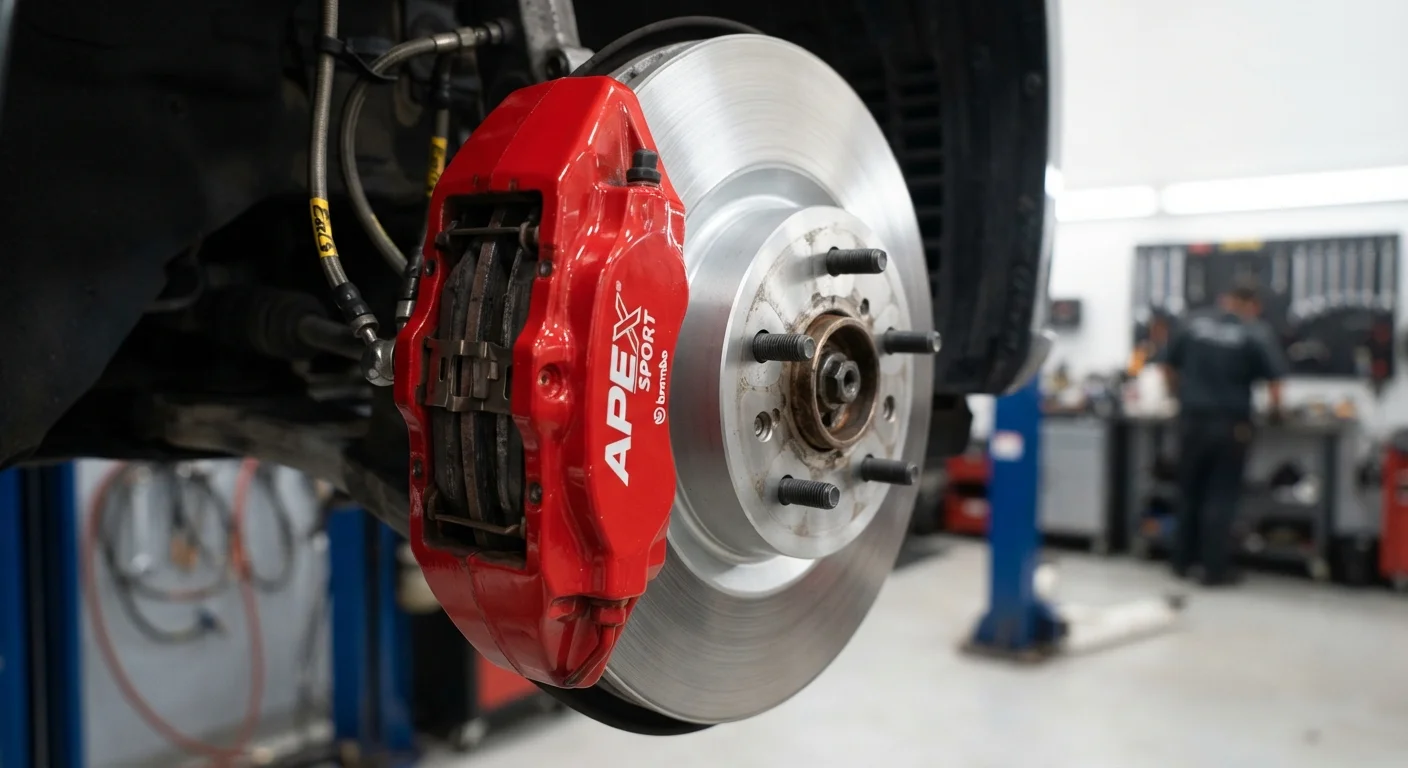
Photo: FaqsDrive.com | Smart Way To Search editorial
—— In This Article
Key Takeaways
- Squealing, grinding, or a soft brake pedal are the three warning signs you should never ignore.
- Brake pads generally need replacement every 25,000-65,000 miles, but driving habits heavily influence wear rate.
- Visually inspecting pad thickness through the wheel spokes is safe and requires no tools.
- Rotor replacement and caliper work should always be performed by a qualified mechanic.
- Low brake fluid can signal a leak - check fluid levels regularly as part of routine maintenance.
- Catching brake wear early almost always costs less than waiting until rotors are damaged.
How Your Brake System Actually Works
When you press the brake pedal, you're triggering a hydraulic chain reaction. Brake fluid transmits that force through lines to a caliper at each wheel. The caliper squeezes two brake pads against a spinning rotor - that friction is what brings your car to a stop.
Because this system relies on friction, pads and rotors are consumable. They wear down gradually with every stop you make. Understanding that wear is the foundation of smart brake maintenance. For a broader introduction to how vehicle systems connect, see our plain-language car systems guide.
25,000-65,000 mi
Typical brake pad replacement interval
The National Highway Traffic Safety Administration notes that pad lifespan varies considerably based on driving style, vehicle weight, and road conditions.
~22%
Of vehicle crashes linked to brake-related issues
According to NHTSA crash causation research, brake-related factors are among the most commonly cited vehicle-based contributors to crashes.
50,000-70,000 mi
Average lifespan for brake rotors
Rotor longevity depends heavily on whether pads are replaced on schedule; worn-through pads accelerate rotor damage significantly.
Warning Signs You Shouldn't Ignore
Your brakes communicate clearly when something is wrong - if you know what to listen and feel for.
- Squealing or squeaking: A high-pitched sound during braking is often the wear indicator tab doing its job. It's a deliberate early warning that pads are getting thin.
- Grinding: A harsh metal-on-metal grinding sound means the pad material is gone. The caliper or backing plate is now contacting the rotor directly - stop driving and get an inspection immediately.
- Soft or spongy pedal: If the pedal travels further than usual before engaging, air in the lines or low brake fluid may be the cause. This is a hydraulic red flag.
- Pulling to one side: Uneven braking - where the car drifts left or right when you brake - often points to a stuck caliper or uneven pad wear.
- Vibration through the pedal: A pulsing sensation during braking typically means warped rotors, which have lost their flat surface through heat cycles.
Trust Your Ears and Your Feet
Don't wait for your next oil change if you notice a new sound or feel during braking. Brake noises are deliberate warning signals engineered into the system. Acting on them early - when pads are worn but rotors are still intact - almost always results in a simpler, less expensive repair.
What You Can Safely Observe Yourself
You don't need mechanical experience to do a useful visual check. With most vehicles, you can see the brake pad through the spokes of the wheel without removing anything. Look for the pad pressed against the rotor - if the friction material appears less than ¼ inch thick, schedule a professional inspection.
Checking your brake fluid level is another beginner-friendly task. The reservoir is typically a small translucent container near the back of the engine bay marked with MIN and MAX lines. Fluid levels every driver should know how to check walks through this process step by step. A fluid level consistently dropping toward the minimum line can indicate a slow leak - worth flagging to a mechanic.
Brake Fluid Is Hygroscopic
Brake fluid absorbs moisture from the air over time, which lowers its boiling point and can reduce braking effectiveness under heavy use. Most manufacturers recommend flushing brake fluid every two to three years regardless of mileage. Check your owner's manual for the interval specific to your vehicle, and have a mechanic handle the flush.
When to Stop DIY and Call a Mechanic
Visual checks are informative; hands-on brake work is a different matter. The brake system is safety-critical, and errors can have serious consequences. Leave the following tasks to a qualified professional:
- Removing wheels and inspecting calipers or hardware
- Replacing brake pads or rotors
- Bleeding brake lines to remove air
- Diagnosing a soft pedal beyond checking fluid level
- Any work after a grinding noise has begun
Our article on DIY car maintenance boundaries gives an honest breakdown of where beginner-friendly tasks end and professional territory begins. If you're newer to car ownership overall, Car Maintenance 101 is a solid starting point.
Frequently Asked Questions

Automotive Basics Editorial Team
Automotive Basics Editorial Team is the collective byline for our editorial team and contributor network. Articles published under this byline or an editorial pen name are researched, written, and reviewed according to our editorial standards for clarity, consistency, and independence before publication.
View author profile