
Traveling Off-Season in America: The Real Trade-Offs Worth Understanding
Shoulder and off-season travel can mean thinner crowds and lower costs — but it comes with real trade-offs. Here's an honest breakdown.
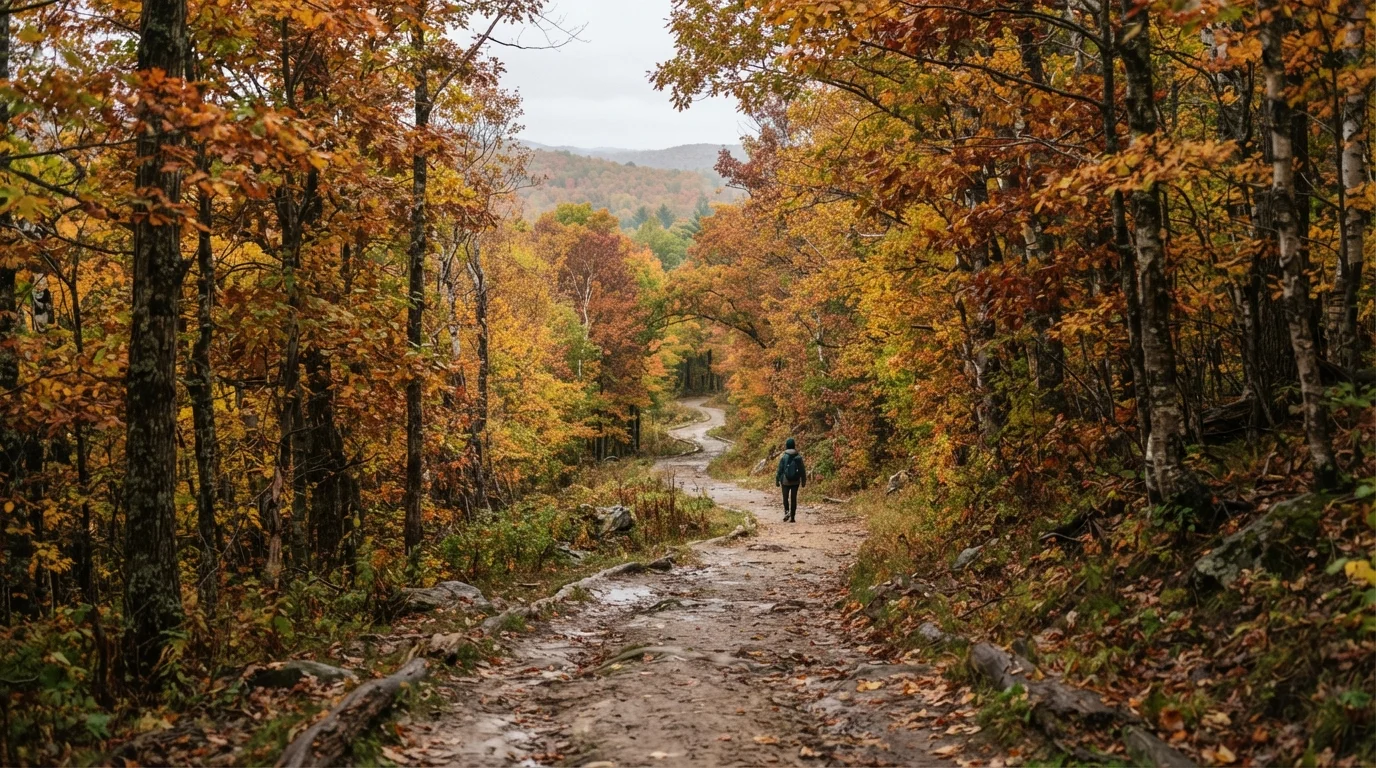
Photo: FaqsDrive.com | Smart Way To Search editorial
—— In This Article
Key Takeaways
- Off-season travel can lower costs on lodging and flights, but savings vary widely by destination.
- Some attractions, trails, and services close or reduce hours during the low season.
- Weather unpredictability is the most common downside travelers report.
- Shoulder season — just before or after peak — often offers the best balance of value and access.
- Research specific destination closures and weather patterns before committing to off-season dates.
Lower lodging and flight costs at many destinations
Accommodation prices can drop noticeably during a destination's low season as properties compete for fewer visitors. Flights to seasonal hotspots often follow a similar pattern.
Significantly thinner crowds at popular sites
National parks, historic sites, and city attractions are far less congested, making for a more relaxed and immersive visit. You're more likely to get reservations at sought-after restaurants, too.
A more authentic, local feel
When tourist infrastructure scales back, communities operate more like themselves. Interactions with locals tend to be more genuine and unhurried.
Greater flexibility in itinerary timing
Without peak-season demand, many activities and tours are easier to book last-minute without advance planning pressure.
Unique seasonal scenery or experiences
Fall foliage, winter snowscapes, and spring wildflower blooms are examples of distinctly off-peak experiences that peak-season travelers miss entirely.
Unpredictable or genuinely difficult weather
Off-season often means a destination is in its least favorable weather window. Rain, cold, heat, or storms can limit outdoor activities and affect enjoyment significantly.
Reduced hours or full closures at attractions
Seasonal attractions — boat tours, visitor centers, outdoor venues, and some restaurants — commonly close or cut back operations outside peak months. What's listed online as available may not be running during your visit.
Fewer transportation options
Some routes, shuttles, or regional carriers reduce service during the low season, making logistics more complicated or costly than expected.
Limited accommodation variety
Many boutique properties and vacation rentals close for the season, leaving fewer options that may not match the same quality or location as peak-season availability.
A destination can feel emptier than expected
Some travelers find that the "quiet" they anticipated tips into feeling too deserted, especially in small resort towns or beach communities that genuinely depend on summer traffic.
What Off-Season Travel Actually Means in the US
"Off-season" isn't a single fixed window — it shifts dramatically depending on where you're headed. Cape Cod's off-season is October through May. The Florida Keys' is July through September. Ski towns in Colorado hit their low season in mud-season spring. Understanding this matters before you assume any trip outside summer qualifies as "cheap and quiet."
For practical planning purposes, most travel researchers define off-season as the period when a destination sees its lowest visitor volume — typically driven by weather, school calendars, or the end of a major regional event cycle. Comparing peak and off-season travel side by side can help clarify when the trade-offs actually work in your favor.
Shoulder season — the softer buffer zone just before or after peak — is worth exploring separately. Our guide to shoulder season travel strategies goes deeper on how to use that window well.
The Real Advantages of Going Off-Season
Lower lodging and flight costs at many destinations
Accommodation prices can drop noticeably during a destination's low season as properties compete for fewer visitors. Flights to seasonal hotspots often follow a similar pattern.
Significantly thinner crowds at popular sites
National parks, historic sites, and city attractions are far less congested, making for a more relaxed and immersive visit. You're more likely to get reservations at sought-after restaurants, too.
A more authentic, local feel
When tourist infrastructure scales back, communities operate more like themselves. Interactions with locals tend to be more genuine and unhurried.
Greater flexibility in itinerary timing
Without peak-season demand, many activities and tours are easier to book last-minute without advance planning pressure.
Unique seasonal scenery or experiences
Fall foliage, winter snowscapes, and spring wildflower blooms are examples of distinctly off-peak experiences that peak-season travelers miss entirely.
Beyond the bullet points, the texture of off-season travel is worth appreciating. Standing alone at the rim of a canyon that's packed with tour buses in July, or having a museum gallery almost entirely to yourself — these aren't small things. Many travelers report that their off-season trips felt more personal, partly because locals have more time and patience when they're not managing peak-volume crowds.
Costs are genuinely lower in many cases. Lodging in particular tends to drop significantly. Pairing lower accommodation costs with points or miles can stretch a budget even further — see our breakdown of how reward travel programs actually work.
The Real Disadvantages of Going Off-Season
Unpredictable or genuinely difficult weather
Off-season often means a destination is in its least favorable weather window. Rain, cold, heat, or storms can limit outdoor activities and affect enjoyment significantly.
Reduced hours or full closures at attractions
Seasonal attractions — boat tours, visitor centers, outdoor venues, and some restaurants — commonly close or cut back operations outside peak months. What's listed online as available may not be running during your visit.
Fewer transportation options
Some routes, shuttles, or regional carriers reduce service during the low season, making logistics more complicated or costly than expected.
Limited accommodation variety
Many boutique properties and vacation rentals close for the season, leaving fewer options that may not match the same quality or location as peak-season availability.
A destination can feel emptier than expected
Some travelers find that the "quiet" they anticipated tips into feeling too deserted, especially in small resort towns or beach communities that genuinely depend on summer traffic.
The downsides aren't deal-breakers for every traveler, but they're real enough to respect. Weather is the most unpredictable variable — and unlike a museum being closed one day, bad weather can affect an entire trip. A beach destination in its "off" months may be perfectly pleasant or genuinely miserable, and historical averages can only tell you so much.
Reduced services matter more than people expect. A waterfront town where half the restaurants are shuttered and the whale-watching tours don't run until May is a fundamentally different experience than what the peak-season photos suggest. Always check what's actually operating during your specific travel dates — not just what's listed as available year-round.
Always Verify Specific Dates Before Booking
Off-season closures and reduced hours often aren't prominently advertised on destination websites. Contact parks, attractions, and tour operators directly to confirm what's operating during your planned travel window. Official government and park service websites are the most reliable sources for current status. Conditions can also change with unusual weather events, so check close to your departure date as well.
How to Decide If Off-Season Travel Is Right for Your Trip
The decision comes down to what you're optimizing for. If flexibility and savings matter most and you're comfortable adapting on the fly, off-season is a strong play for many domestic destinations. If you have limited vacation days, specific must-do activities, or are traveling with kids who need predictable conditions, the cost savings may not offset the access limitations.
It also depends heavily on destination type. City breaks and nature retreats behave very differently off-season: cities generally stay active year-round, while nature destinations can become inaccessible. Lesser-known US cities are often particularly rewarding off-season precisely because they never fully "close."
Whatever your destination, locking in the right lodging type can shape the experience significantly. Our vacation rental vs. hotel comparison is worth a read before you book, since off-season often changes which option gives you more flexibility and value.

Travel & Trips Editorial Team
Travel & Trips Editorial Team is the collective byline for our editorial team and contributor network. Articles published under this byline or an editorial pen name are researched, written, and reviewed according to our editorial standards for clarity, consistency, and independence before publication.
View author profile