
The Nitrogen Cycle Explained for New Fish Owners
Skipping the nitrogen cycle is the number one reason new fish die. This plain-language guide explains what it is and why it can't be rushed.
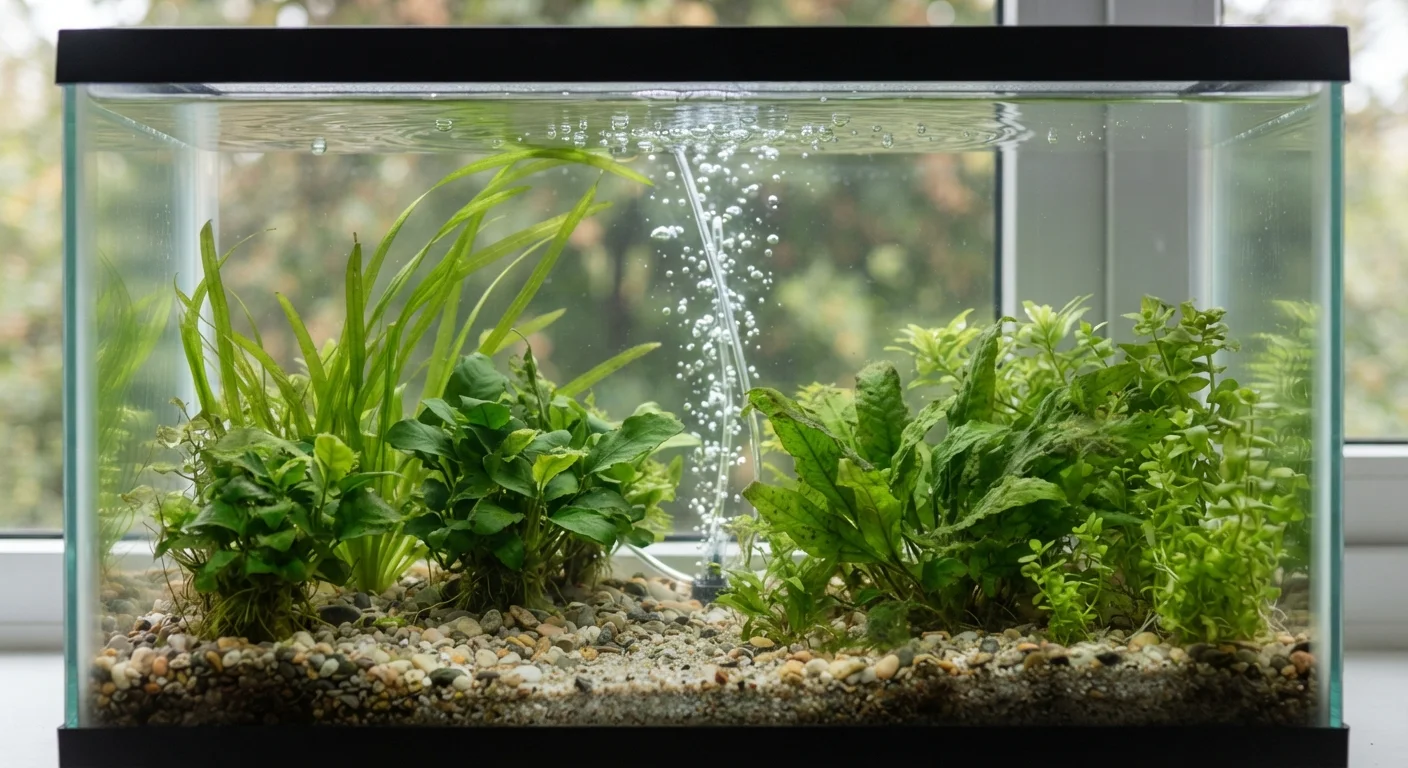
Photo: FaqsDrive.com | Smart Way To Search editorial
—— In This Article
Key Takeaways
- Ammonia from fish waste is toxic — beneficial bacteria must establish before fish are added.
- The nitrogen cycle typically takes 4–8 weeks to complete in a new tank.
- Skipping or rushing the cycle is the leading cause of early fish death in new aquariums.
- Regular water testing is the only reliable way to know when a tank is fully cycled.
- Once established, the bacterial colony requires consistent maintenance to stay healthy.
Why the Nitrogen Cycle Is the First Thing to Understand
Most new fish owners focus on choosing the right fish, buying a tank, and picking out decorations — all reasonable things. But the single most important step in setting up an aquarium has nothing to do with the fish themselves. It is establishing the nitrogen cycle, and skipping it is the reason so many first fish don't survive.
Fish constantly release ammonia into the water through their waste, gill secretions, and uneaten food. Ammonia is acutely toxic, even in small concentrations. In nature, vast water volumes dilute it. In a closed aquarium, it builds up rapidly unless something breaks it down. That something is a colony of beneficial bacteria that grows naturally in a tank's filter media and substrate — but only if you give it time to develop.
Understanding this process before you buy your first fish will save you heartbreak, money, and the life of your pet. See our complete freshwater aquarium setup guide for a full walkthrough of the steps involved before fish enter the picture.
The Three Stages: Ammonia, Nitrite, and Nitrate
The nitrogen cycle moves through three measurable stages, each tied to a specific chemical compound.
- Ammonia (NH₃): This is the starting point. Fish waste and decomposing organic matter release ammonia directly into the water. Even at low levels, ammonia burns fish gills and damages internal organs. In a new tank, ammonia rises quickly and stays high until bacteria arrive to process it.
- Nitrite (NO₂⁻): A group of bacteria called Nitrosomonas colonizes the tank and begins converting ammonia into nitrite. This is progress — but nitrite is also toxic. It interferes with a fish's ability to carry oxygen in its blood, causing a condition fish keepers sometimes call "brown blood disease."
- Nitrate (NO₃⁻): A second bacterial group, Nitrobacter, then converts nitrite into nitrate. Nitrate is far less toxic and can accumulate to moderate levels without harming most fish. It is removed through regular partial water changes.
A tank is fully cycled when both ammonia and nitrite consistently read zero on a test kit, and nitrate is detectable. That nitrate reading is actually the good news — it confirms the entire chain is working.
4–8 weeks
Typical time to fully cycle a new aquarium
Cycling time varies by tank size, temperature, and seeding methods used; water testing confirms completion.
0 ppm
Target ammonia and nitrite in a cycled tank
Both compounds should test at zero on consecutive days before fish are safely introduced.
~50%
Recommended weekly water change during cycling
Partial water changes help control ammonia spikes during a fish-in cycle, protecting fish while bacteria establish.
How to Cycle a Tank Before Adding Fish
The most fish-friendly method is called a fishless cycle. You run the tank's filter, heater, and lighting as if fish were present — but without any fish. You then introduce a small ammonia source (pure ammonia drops designed for aquariums, or a small pinch of fish food that will decay) to feed the bacteria as they establish.
Test your water every few days using a liquid test kit — test strips are less accurate. You are watching for ammonia to spike, then fall; nitrite to spike, then fall; and nitrate to appear. When both ammonia and nitrite hold steady at 0 ppm and nitrate is present, the cycle is complete. This typically takes four to eight weeks.
Use a Liquid Test Kit, Not Test Strips
Liquid drop test kits are significantly more accurate than paper test strips for measuring ammonia, nitrite, and nitrate. Strips can give false readings that make a tank look safe when it isn't. Invest in a reliable liquid kit before you begin cycling — it will serve you for years of fishkeeping.
You can safely speed things up by "seeding" your new tank with a handful of gravel, a used filter sponge, or a piece of filter media from an established, healthy aquarium. These materials already carry beneficial bacteria and can cut cycling time significantly.
Keeping Your Cycle Healthy Long-Term
Establishing the cycle is not a one-time event — it requires ongoing care. The bacterial colony lives primarily in your filter media. Replacing all filter media at once, rinsing it under tap water (which contains chlorine that kills bacteria), or turning off the filter for extended periods can crash your cycle and send ammonia levels spiking again.
When you do need to clean filter media, rinse it gently in a bucket of tank water — never tap water. Replace only a portion of media at a time if you need to replace it at all. Continue testing water monthly even in an established tank, and any time you add new fish, increase feeding, or notice fish acting lethargic or gasping at the surface.
If something does go wrong, our guide to common reasons new fish die can help you identify whether a cycle problem is the culprit and what steps to take.
Frequently Asked Questions

Pets & Animals Editorial Team
Pets & Animals Editorial Team is the collective byline for our editorial team and contributor network. Articles published under this byline or an editorial pen name are researched, written, and reviewed according to our editorial standards for clarity, consistency, and independence before publication.
View author profile