
Small Pet Ownership: The Honest Pros and Cons
Small pets seem low-maintenance, but the reality is more nuanced. A balanced look at the joys and real responsibilities involved.
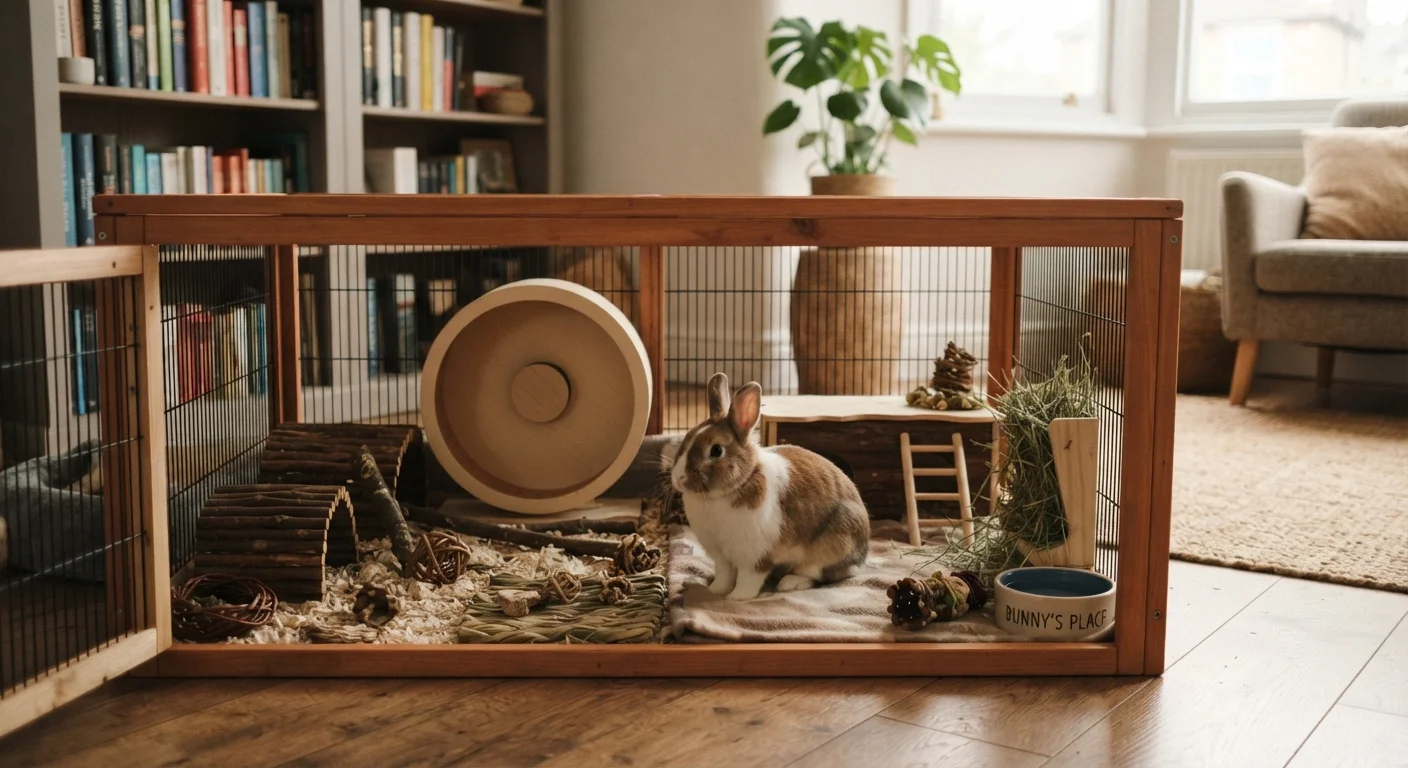
Photo: FaqsDrive.com | Smart Way To Search editorial
—— In This Article
Key Takeaways
- Small pets generally cost less upfront than dogs or cats, but ongoing care adds up.
- Many small animals have specialized needs that aren't obvious to first-time owners.
- Short lifespans can mean emotional loss sooner than owners expect.
- Small pets can thrive in apartments and smaller living spaces.
- Veterinary care for exotic small pets may require finding a specialist.
Suitable for smaller living spaces
Most small pets can be comfortably housed in apartments or homes without yards, making them accessible to renters and urban dwellers who couldn't accommodate a large dog.
Generally lower upfront and monthly costs
Adoption fees, food, and basic supplies for small pets are typically lower than for dogs or cats, making initial ownership more financially accessible for many households.
Quieter companionship for noise-sensitive settings
With the exception of some birds and certain vocal small animals, most small pets are significantly quieter than dogs, which matters in shared housing or noise-restricted environments.
Shorter daily time commitment than dogs
Small pets don't require daily walks or extensive outdoor exercise sessions, which can suit people with busy schedules who still want the companionship of an animal.
Fascinating behavioral variety across species
From the problem-solving of rats to the social dynamics of guinea pig pairs, small pets offer genuinely interesting animal behavior to observe and engage with on a daily basis.
Often misrepresented as 'low-maintenance'
Many small animals have specific dietary, social, and habitat needs that are easy to overlook. Inadequate care is a leading cause of health problems in pet rodents, rabbits, and reptiles.
Shorter lifespans can mean earlier loss
Hamsters typically live one to three years, and even rabbits rarely exceed ten. For families with children or deeply attached owners, this shorter timeline can be emotionally difficult.
Specialized vet care may be hard to find
Rabbits, birds, ferrets, and most reptiles require a vet with exotic animal training. These practitioners are less widely available and appointments may cost more than standard veterinary visits.
Habitat cleaning is a regular, non-negotiable task
Enclosures must be cleaned frequently — sometimes multiple times per week — to prevent ammonia buildup from waste, which can cause serious respiratory and skin issues in small animals.
Some species are fragile or easily stressed
Animals like hamsters and certain lizards can become stressed or injured through improper handling, making them less suitable for very young children without close adult supervision.
What Counts as a 'Small Pet'?
The term small pet covers a wide spectrum of animals: hamsters, gerbils, guinea pigs, rabbits, ferrets, birds like parakeets and cockatiels, and even reptiles such as leopard geckos or bearded dragons. What they share is that they're generally smaller than cats or dogs and are often kept in enclosures rather than roaming freely. But that's where the similarities end.
Each species has its own behavioral patterns, dietary needs, and social requirements. A guinea pig, for example, is highly social and generally does better with a companion of its own kind. A Syrian hamster, by contrast, is solitary and may fight if housed with others. Understanding these differences before choosing a pet is one of the most important steps a new owner can take.
If you're weighing a small pet against a larger companion animal, it's worth reviewing what dog and cat ownership actually entails. See our complete guide to dog ownership and the honest trade-offs of owning a cat for a fuller comparison.
The Real Advantages of Small Pet Ownership
There are genuine, well-supported reasons why millions of Americans choose small pets — and they go beyond simple convenience.
Suitable for smaller living spaces
Most small pets can be comfortably housed in apartments or homes without yards, making them accessible to renters and urban dwellers who couldn't accommodate a large dog.
Generally lower upfront and monthly costs
Adoption fees, food, and basic supplies for small pets are typically lower than for dogs or cats, making initial ownership more financially accessible for many households.
Quieter companionship for noise-sensitive settings
With the exception of some birds and certain vocal small animals, most small pets are significantly quieter than dogs, which matters in shared housing or noise-restricted environments.
Shorter daily time commitment than dogs
Small pets don't require daily walks or extensive outdoor exercise sessions, which can suit people with busy schedules who still want the companionship of an animal.
Fascinating behavioral variety across species
From the problem-solving of rats to the social dynamics of guinea pig pairs, small pets offer genuinely interesting animal behavior to observe and engage with on a daily basis.
Space efficiency is one of the most practical benefits. A well-designed rabbit enclosure or bird cage fits comfortably in an apartment without the footprint a large dog requires. For renters or those in urban settings, this alone can make small pets the only realistic option.
Cost is another meaningful factor, though it's important not to oversimplify. While adoption fees and initial setup costs are generally lower than for dogs or cats, the long-term picture depends heavily on the species. The hidden costs of dog ownership can run into thousands annually — small pet ownership, by comparison, is typically more predictable on a monthly basis.
The Honest Disadvantages to Consider
The most common mistake first-time small pet owners make is underestimating complexity. 'Low-maintenance' is a label that gets applied to small animals far too loosely.
Often misrepresented as 'low-maintenance'
Many small animals have specific dietary, social, and habitat needs that are easy to overlook. Inadequate care is a leading cause of health problems in pet rodents, rabbits, and reptiles.
Shorter lifespans can mean earlier loss
Hamsters typically live one to three years, and even rabbits rarely exceed ten. For families with children or deeply attached owners, this shorter timeline can be emotionally difficult.
Specialized vet care may be hard to find
Rabbits, birds, ferrets, and most reptiles require a vet with exotic animal training. These practitioners are less widely available and appointments may cost more than standard veterinary visits.
Habitat cleaning is a regular, non-negotiable task
Enclosures must be cleaned frequently — sometimes multiple times per week — to prevent ammonia buildup from waste, which can cause serious respiratory and skin issues in small animals.
Some species are fragile or easily stressed
Animals like hamsters and certain lizards can become stressed or injured through improper handling, making them less suitable for very young children without close adult supervision.
Veterinary access is a real challenge. While a dog or cat can be seen by almost any general practice vet, many small and exotic animals — reptiles, birds, ferrets, and even rabbits — require a veterinarian with exotic animal experience. These specialists can be harder to find and more expensive per visit.
Exotic Pets and Veterinary Access
Rabbits, birds, ferrets, and reptiles are considered 'exotic' animals in most veterinary practices, meaning not every vet clinic is equipped to treat them. Before adopting any of these species, it's worth locating an exotic animal veterinarian in your area and understanding their availability and fee structure. Emergency care for exotic pets can be especially difficult to access outside of urban areas.
Emotional investment is also worth acknowledging honestly. Small pets can form real bonds with their owners, and their shorter lifespans mean that loss can come sooner than expected. This is especially relevant for families with young children, who may find the death of a hamster or gerbil emotionally difficult to process.
Setting Realistic Expectations Before You Commit
Before bringing any small pet home, it helps to ask a few honest questions. How much daily time can you realistically commit to feeding, cleaning, and interacting with the animal? Some species — like guinea pigs and ferrets — are highly social and genuinely benefit from daily handling and play. Others, like certain reptiles, require precise habitat conditions (temperature, humidity, lighting) that take consistent monitoring.
~6.7M
U.S. households with small animals
According to the American Pet Products Association's National Pet Owners Survey, approximately 6.7 million American households owned small animals including hamsters, gerbils, and guinea pigs.
1–3 yrs
Typical hamster lifespan
Most domestic hamster species live between one and three years, a reality that new owners — especially those buying for children — should understand before adopting.
Enrichment is another factor that's easy to overlook. Boredom affects small animals just as much as physical neglect. If you're considering a hamster, rabbit, or bird, our guide to small pet enrichment covers practical, species-appropriate ways to keep them mentally active.
Finally, consider your household. Some small pets are fragile and not ideal around very young children. Others produce dander that may trigger allergies. Taking time to research the specific species — not just the category of 'small pet' — is what separates a successful adoption from a difficult one.

Pets & Animals Editorial Team
Pets & Animals Editorial Team is the collective byline for our editorial team and contributor network. Articles published under this byline or an editorial pen name are researched, written, and reviewed according to our editorial standards for clarity, consistency, and independence before publication.
View author profile