
The Honest Trade-Offs of Owning a Cat
Companionship and independence are real perks — but so are costs, allergies, and commitment. A balanced look before you adopt.
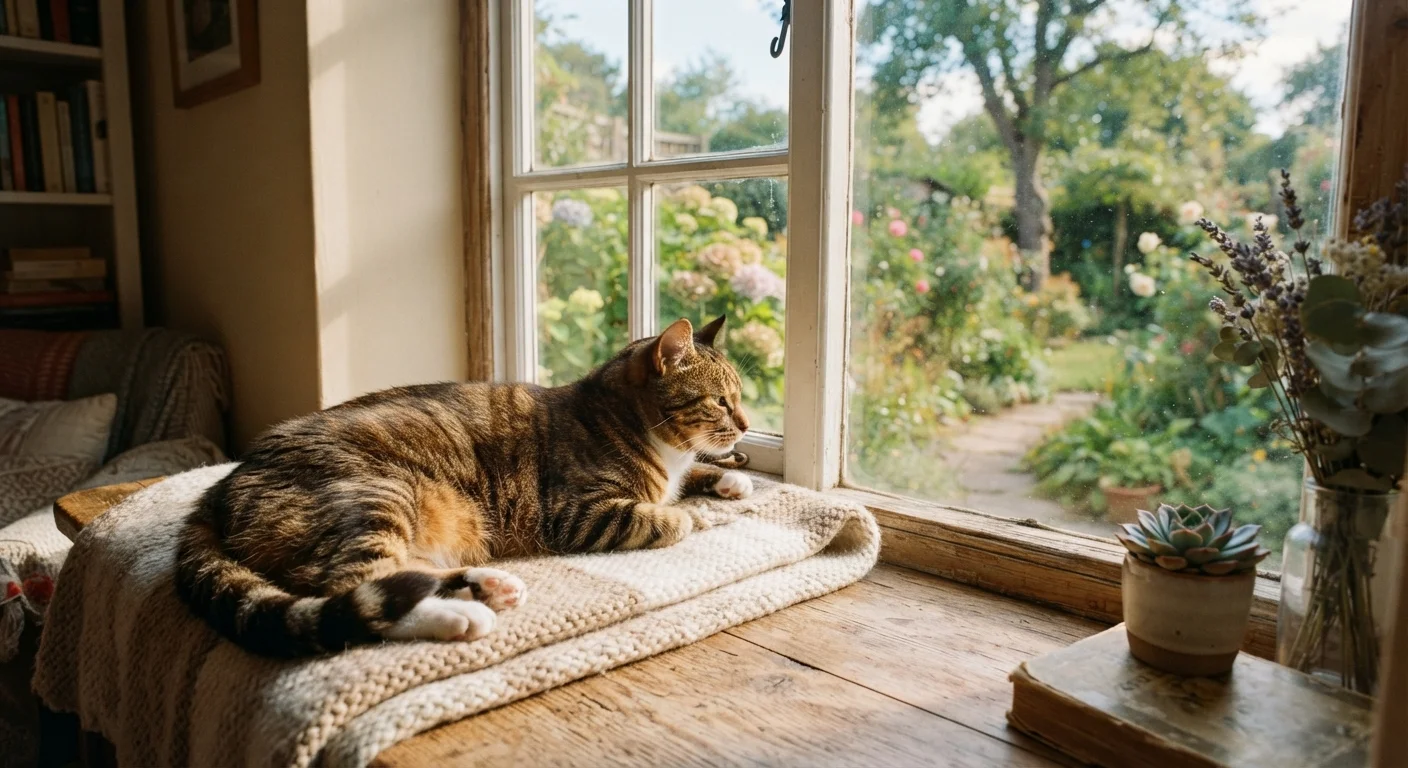
Photo: FaqsDrive.com | Smart Way To Search editorial
—— In This Article
Key Takeaways
- Cats are relatively independent but still require consistent daily care and attention.
- Upfront adoption costs are just the beginning — ongoing vet bills and supplies add up.
- Allergies affect roughly 10–20% of people, making cat ownership impossible for some households.
- A cat's lifespan of 12–18 years means adoption is a long-term commitment.
- Indoor cats generally live longer but need deliberate enrichment to stay mentally healthy.
Lower daily time demand than dogs
Cats don't need walks and handle alone time during work hours better than most dogs, making them more compatible with busy or full-time-employed owners.
Genuine emotional companionship
Studies suggest pet ownership, including cats, is associated with reduced stress and loneliness — particularly for people who live alone.
Naturally self-grooming and litter-trained
Most cats take to a litter box with minimal training and handle their own coat maintenance, reducing two of the most time-consuming pet care tasks.
Adaptable to smaller living spaces
Cats thrive in apartments and smaller homes without the pacing or restlessness that some larger dogs exhibit in confined spaces.
Quieter than most dogs
For people in shared housing or noise-sensitive environments, a cat's typical vocalizations are far less disruptive than frequent barking.
Ongoing veterinary costs can be significant
Routine care, vaccines, and parasite prevention add up annually, and a single unexpected illness or injury can cost several thousand dollars without pet insurance.
Allergies affect a meaningful portion of households
Cat allergens are pervasive and persistent in the home environment, and sensitivity can develop or worsen over time even in people previously unaffected.
Scratching causes real furniture damage
Scratching is an instinctive behavior that cannot be fully trained away; without proper outlets, upholstery and wooden furniture are at genuine risk.
A 12–18 year commitment is substantial
A cat adopted today may still be in your care through major life changes — moves, new partners, children, or job transitions — requiring long-range planning.
Indoor cats need deliberate mental enrichment
Without adequate stimulation — interactive play, climbing structures, window access — indoor cats can develop anxiety, boredom-related aggression, or destructive habits.
What You Actually Gain From a Cat
Cats have a reputation for being aloof, but owners often describe a quieter, steadier kind of connection — a cat that settles beside you in the evening, greets you at the door, or simply shares the same space in a way that feels like companionship without pressure. For people who live alone or work from home, that presence can meaningfully reduce feelings of isolation.
Beyond emotional comfort, cats are genuinely lower-maintenance than dogs. They don't require daily walks, tolerate being left alone during work hours reasonably well, and adapt to apartment living without the space demands of larger pets. If you're comparing options, our look at the hidden costs of dog ownership shows just how significant those differences in time and expense can be.
Lower daily time demand than dogs
Cats don't need walks and handle alone time during work hours better than most dogs, making them more compatible with busy or full-time-employed owners.
Genuine emotional companionship
Studies suggest pet ownership, including cats, is associated with reduced stress and loneliness — particularly for people who live alone.
Naturally self-grooming and litter-trained
Most cats take to a litter box with minimal training and handle their own coat maintenance, reducing two of the most time-consuming pet care tasks.
Adaptable to smaller living spaces
Cats thrive in apartments and smaller homes without the pacing or restlessness that some larger dogs exhibit in confined spaces.
Quieter than most dogs
For people in shared housing or noise-sensitive environments, a cat's typical vocalizations are far less disruptive than frequent barking.
Cats also tend to be self-grooming and litter-trained, which removes two major maintenance burdens that other animals require. For first-time pet owners, this predictability can make the early weeks of adjustment considerably easier.
The Real Costs and Commitments
Adoption fees typically range from $50 to $200 at shelters, but that's the smallest line item you'll face. Initial setup — a carrier, litter box, food bowls, scratching posts, and a veterinary wellness visit — can easily run $300–$500. After that, routine annual vet care, vaccines, flea prevention, and food average somewhere between $700 and $1,200 per year for a healthy indoor cat. Unexpected illness or injury can add thousands more.
$700–$1,200
Average annual cost for a healthy indoor cat
This estimate covers routine vet visits, food, litter, and basic preventive care, not including unexpected medical expenses.
10–20%
People affected by cat allergies
Cat allergies are among the most common pet-related allergies in the United States, according to general allergy prevalence data.
It's also worth being honest about time. Cats don't need walks, but they do need play, social interaction, and mental stimulation — especially indoor cats. A bored cat can develop destructive habits or behavioral problems. Our article on indoor vs. outdoor cat care covers how a cat's lifestyle shapes the enrichment and health care it needs.
Ongoing veterinary costs can be significant
Routine care, vaccines, and parasite prevention add up annually, and a single unexpected illness or injury can cost several thousand dollars without pet insurance.
Allergies affect a meaningful portion of households
Cat allergens are pervasive and persistent in the home environment, and sensitivity can develop or worsen over time even in people previously unaffected.
Scratching causes real furniture damage
Scratching is an instinctive behavior that cannot be fully trained away; without proper outlets, upholstery and wooden furniture are at genuine risk.
A 12–18 year commitment is substantial
A cat adopted today may still be in your care through major life changes — moves, new partners, children, or job transitions — requiring long-range planning.
Indoor cats need deliberate mental enrichment
Without adequate stimulation — interactive play, climbing structures, window access — indoor cats can develop anxiety, boredom-related aggression, or destructive habits.
Finally, cats live 12–18 years on average, and some reach their early 20s. That's a commitment that can span moves, relationships, job changes, and family shifts. Anyone considering adoption should think carefully about whether their life circumstances can accommodate a cat not just today, but a decade from now.
Allergies, Scratching, and Other Honest Downsides
Cat allergies are more common than many people realize. The primary allergen — a protein called Fel d 1 — is found in cat saliva, skin, and fur, and it spreads easily through a home. Even people who have lived with cats without trouble can develop sensitivities over time. If anyone in your household has asthma or existing animal allergies, it's worth spending extended time around cats before committing to adoption.
No Such Thing as a Truly Hypoallergenic Cat
Some breeds produce less Fel d 1 protein than others, but no cat is completely allergen-free. If you or a family member has known allergies, spend time with cats in a shelter or friend's home before adopting. An allergist can also help assess your sensitivity and options. Rehoming a cat later due to allergies is stressful for both owner and animal.
Scratching is another genuine consideration. It's a natural and necessary behavior for cats — they do it to maintain their claws and mark territory. No amount of training fully eliminates it, though providing appropriate scratching surfaces significantly reduces furniture damage. If pristine upholstery matters to you, factor in realistic expectations and the cost of good scratching posts.
If a cat feels like a bigger commitment than you're ready for, small pet ownership offers a useful comparison — some small animals require even less daily interaction, though they come with their own trade-offs.

Pets & Animals Editorial Team
Pets & Animals Editorial Team is the collective byline for our editorial team and contributor network. Articles published under this byline or an editorial pen name are researched, written, and reviewed according to our editorial standards for clarity, consistency, and independence before publication.
View author profile