
Indoor vs. Outdoor Dogs: Understanding the Real Differences
Explore how a dog's living environment affects its behavior, health, and socialization — and what each lifestyle truly requires from an owner.
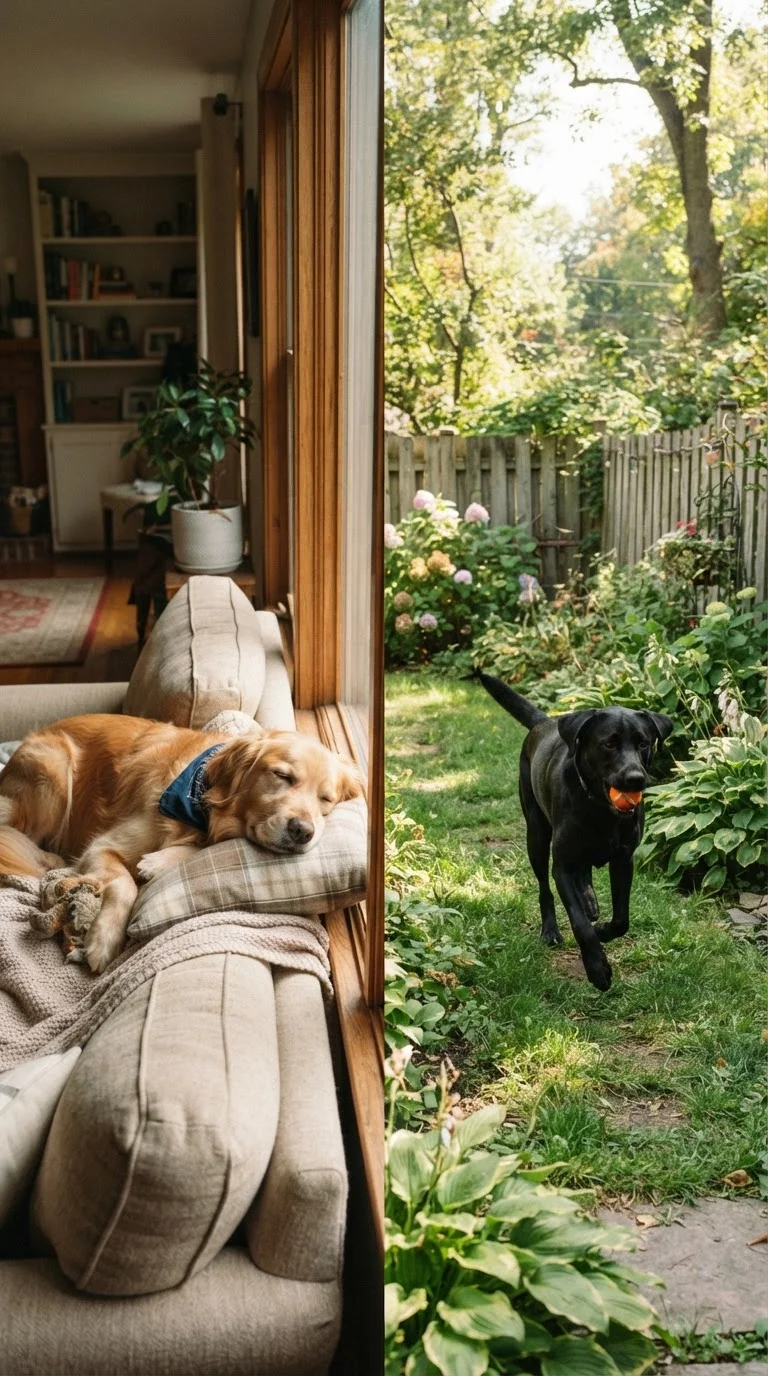
Photo: FaqsDrive.com | Smart Way To Search editorial
—— In This Article
Key Takeaways
- Dogs are highly social animals; indoor living generally strengthens the human-dog bond and supports better behavioral outcomes.
- Outdoor-only dogs face greater exposure to parasites, weather extremes, and isolation-related stress.
- A dog's breed, size, and temperament should guide living arrangements — not convenience alone.
- Even dogs housed primarily outdoors need daily human interaction, structured exercise, and veterinary care.
- No living arrangement replaces consistent training, socialization, and time with their owner.
What "Indoor" and "Outdoor" Actually Mean
When people talk about indoor versus outdoor dogs, they're not just describing where a dog sleeps — they're describing a whole lifestyle that affects daily routines, stimulation levels, health risks, and emotional wellbeing. An indoor dog lives primarily inside the home, sharing space with family members throughout the day. An outdoor dog spends most or all of its time outside, often in a yard, kennel, or covered enclosure.
It's worth noting that most dogs today live somewhere on a spectrum between these two poles. Many dogs sleep inside but spend active hours outdoors; others live outside but come in during extreme weather. What matters most isn't a rigid label — it's whether the dog's physical and psychological needs are consistently met. For a broader overview of what responsible dog ownership involves, see the complete guide to dog ownership responsibilities.
How Living Environment Affects Behavior and Socialization
Dogs are pack animals with a strong drive to be near their social group — and for a pet dog, that group is you. Indoor dogs have continuous exposure to household routines, human voices, visitors, and varied stimuli. This tends to produce dogs that are better socialized, easier to read emotionally, and quicker to respond to training cues because the owner can observe and reinforce behavior throughout the day.
Outdoor dogs, by contrast, are more likely to develop problem behaviors rooted in isolation: excessive barking, digging, fence-running, and in some cases, anxiety or aggression. These aren't signs of a "bad" dog — they're predictable responses to unmet social needs. Understanding why dogs bark can help owners recognize when an outdoor dog is communicating distress rather than simply making noise.
Early socialization is especially critical. Puppies housed primarily outdoors miss countless learning opportunities during the key developmental window. The socialization period is brief, and environment plays a major role in shaping how a dog responds to people, sounds, and new situations throughout its life.
Reading Your Dog's Emotional State
Whether your dog lives indoors or outdoors, learning to interpret its body language is one of the most useful skills you can develop. Tension, fear, and overstimulation often appear in subtle signals before they escalate. See what your dog's body language is actually telling you for a practical guide to common postures and signals.
Health Risks: What Each Lifestyle Brings
Each living arrangement carries its own health considerations.
Outdoor dogs face higher exposure to fleas, ticks, heartworm-carrying mosquitoes, and intestinal parasites. They're also more vulnerable to heatstroke in summer, hypothermia in winter, and injuries from wildlife encounters or sharp debris. Access to standing water, toxic plants, or lawn chemicals adds further risk. Veterinary care, parasite prevention, and sturdy, weatherproof shelter aren't optional for outdoor dogs — they're non-negotiable.
Indoor dogs aren't risk-free either. Without adequate daily exercise, indoor dogs are more prone to obesity and related conditions like joint disease and diabetes. Boredom from under-stimulation can also lead to destructive behavior. Understanding exercise needs by breed helps owners ensure that an indoor lifestyle doesn't become a sedentary one.
Chaining or Tethering Is Not a Housing Solution
Keeping a dog on a chain or tether as its primary living arrangement is widely considered inhumane by veterinary and animal welfare organizations. Tethered dogs are unable to escape danger, exercise adequately, or engage in normal social behavior — and many states have laws restricting or banning the practice. If outdoor housing is necessary, a secure, spacious, and enriched enclosure with daily human interaction is the minimum acceptable standard.
Comparing the Two Lifestyles Side by Side
The table below summarizes how indoor and outdoor living compare across key areas of dog care and wellbeing.
| Indoor Dogs | Outdoor Dogs | |
|---|---|---|
| Human bonding | Strong; constant daily interaction | Weaker without deliberate daily engagement |
| Behavioral risks | Boredom, under-exercise | Isolation, anxiety, escape attempts |
| Parasite exposure | Lower; limited environmental contact | Higher; ticks, fleas, mosquitoes |
| Weather vulnerability | Minimal; climate-controlled environment | High; heat, cold, and precipitation risks |
| Socialization opportunities | Frequent; exposure to household stimuli | Limited unless actively structured |
| Exercise requirement management | Owner-initiated daily walks needed | Yard access helps but isn't sufficient alone |
| Training ease | Easier; owner observes behavior daily | Harder; less supervision and feedback |
Keep in mind that these are general patterns — individual dogs, breeds, climates, and household setups all influence outcomes significantly.
Making the Right Choice for Your Dog
The question isn't simply "which is better?" but rather "which is better for this specific dog in this specific home?" A large, high-energy working breed with outdoor space and consistent daily interaction may thrive in a well-managed outdoor setup. A small companion breed in an apartment absolutely requires indoor living. Breed temperament, coat type, age, and health status all matter.
If you're preparing to bring a dog home, planning the transition carefully — including where the dog will sleep and how it will spend its day — can prevent many common early problems. And regardless of where your dog lives, understanding how dogs actually learn is essential for any owner building a well-adjusted pet.
Also consider the financial side: outdoor setups require investment in quality fencing, weatherproof kennels, and consistent parasite prevention, while indoor dogs may need more enrichment tools and professional training. The hidden costs of dog ownership are worth understanding before deciding on any living arrangement.

Pets & Animals Editorial Team
Pets & Animals Editorial Team is the collective byline for our editorial team and contributor network. Articles published under this byline or an editorial pen name are researched, written, and reviewed according to our editorial standards for clarity, consistency, and independence before publication.
View author profile