
Litter Box Problems Most Owners Accidentally Create
Cats are particular about their boxes. Discover the setup and maintenance mistakes that lead to avoidance — and how to fix them.
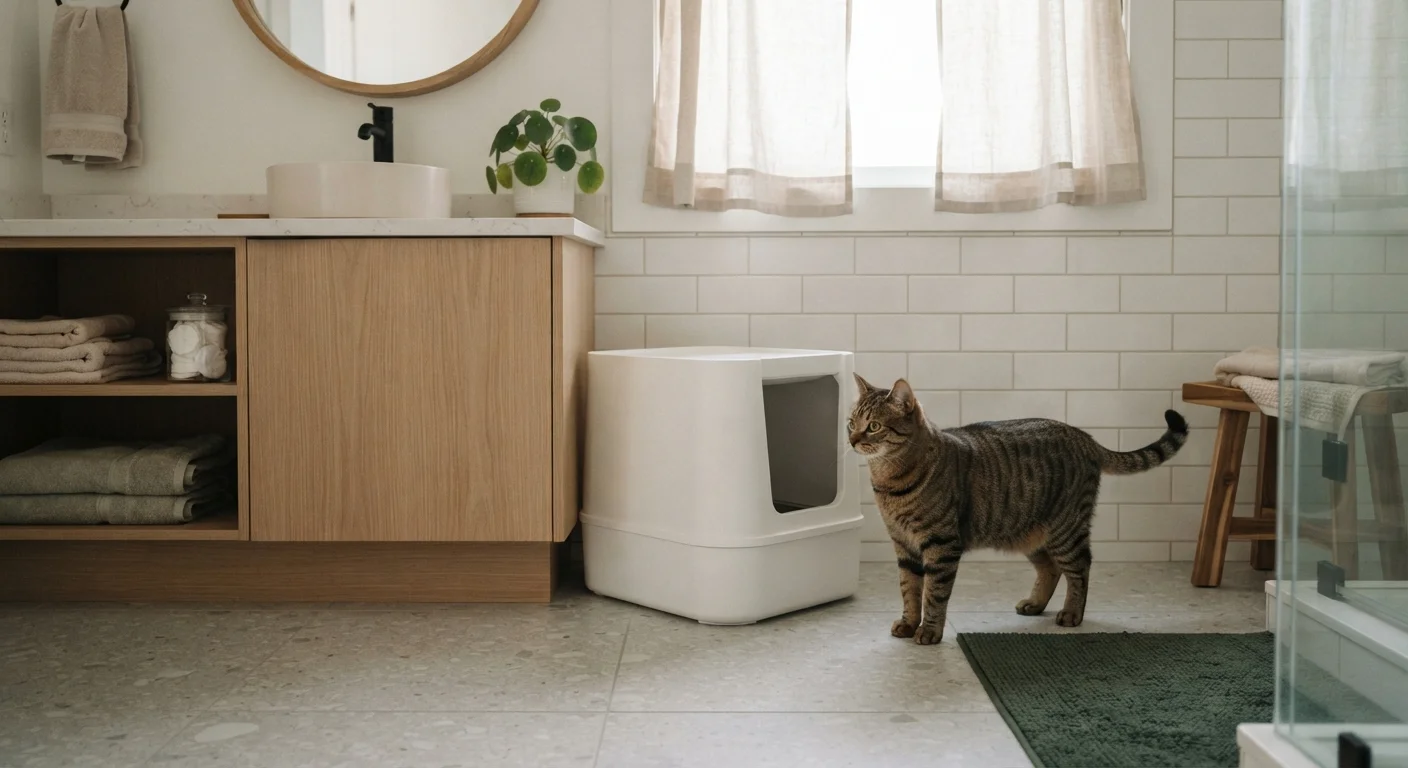
Photo: FaqsDrive.com | Smart Way To Search editorial
—— In This Article
Key Takeaways
- Too few litter boxes for the number of cats is one of the most common and fixable problems.
- Box placement matters — cats avoid boxes in high-traffic, noisy, or hard-to-reach locations.
- Scented litters and strong cleaners can repel cats more than attract them.
- Scooping frequency directly affects whether a cat will use the box at all.
- Litter box avoidance can signal an underlying health issue worth a vet visit.
Why Litter Box Setup Is More Critical Than Most Owners Realize
Cats are clean animals with strong instincts — and when a litter box doesn't meet their standards, they find somewhere else to go. The frustrating part for most owners is that the cause is almost always something well-intentioned: a stylish hidden box, a pleasant-smelling litter, a new brand that was on sale. Understanding why certain setups fail is the first step toward fixing them for good.
Litter box avoidance is one of the leading reasons cats are surrendered to shelters, yet it's one of the most preventable problems in cat ownership. If you're setting up a home for a new cat, our guide on getting ready before bringing your cat home covers the foundational supplies you'll want to have right from the start.
Not having enough litter boxes in the home.
Why it happens: Many owners assume one box is sufficient, especially for a single cat. The rule most veterinarians and animal behaviorists recommend — one box per cat, plus one extra — is not widely known.
Placing the litter box in a loud, inconvenient, or hard-to-reach spot.
Why it happens: Owners often tuck boxes away in basements, near washing machines, or inside closed closets to keep them out of sight — prioritizing human aesthetics over feline comfort.
Using heavily scented litter or strong-smelling cleaners.
Why it happens: Owners choose scented products hoping to mask odor for their own comfort, not realizing that a cat's sense of smell is far more sensitive than a human's.
Scooping too infrequently.
Why it happens: Busy schedules make daily scooping easy to skip, and some owners assume that clumping litter means the box stays clean longer than it actually does.
Switching litter types abruptly without a transition.
Why it happens: Owners switch brands or textures when a product goes on sale or becomes unavailable, not anticipating that the change might confuse or repel their cat.
Using a covered box that traps odors inside.
Why it happens: Hooded boxes appeal to owners because they contain mess and odor visually, but they can create a concentrated smell inside that cats find unbearable.
How to Recognize Avoidance Early and What to Do
Cats rarely stop using a litter box all at once — the change is usually gradual. Watch for signs like going just outside the box, spending less time in it, or eliminating in unusual spots. Any of these shifts in habit deserve attention.
Avoidance May Signal a Medical Problem
If your cat suddenly stops using the litter box after a period of normal use, don't assume it's purely behavioral. Urinary tract infections, kidney disease, and other conditions can cause a cat to associate the box with pain and avoid it. A prompt veterinary checkup is always warranted when litter box habits change unexpectedly.
Once you've ruled out a medical cause, work through the setup factors systematically: location, cleanliness, litter texture, box style, and quantity. Change one variable at a time so you can tell what's actually helping. Keep in mind that your cat's indoor versus outdoor lifestyle also shapes their habits and comfort levels — our article on indoor vs. outdoor cat care explains how lifestyle differences affect daily routines. A cat that is otherwise healthy and well-cared-for — including a consistent grooming routine — is usually easier to help through litter box troubleshooting because their overall stress levels are lower.
1 in 10
Cats develop litter box problems during their lifetime
According to the Cornell Feline Health Center, litter box avoidance is among the most commonly reported behavioral concerns in cats.
2×
Recommended daily scooping frequency for multi-cat homes
Animal behavior experts generally recommend scooping at least twice daily when more than one cat shares a box to maintain acceptable hygiene.

Pets & Animals Editorial Team
Pets & Animals Editorial Team is the collective byline for our editorial team and contributor network. Articles published under this byline or an editorial pen name are researched, written, and reviewed according to our editorial standards for clarity, consistency, and independence before publication.
View author profile