
Group Fitness Classes: What to Expect and How to Choose One That Suits You
From yoga to spin to water aerobics, group fitness comes in many forms. Here's how different class formats compare and what beginners should consider.
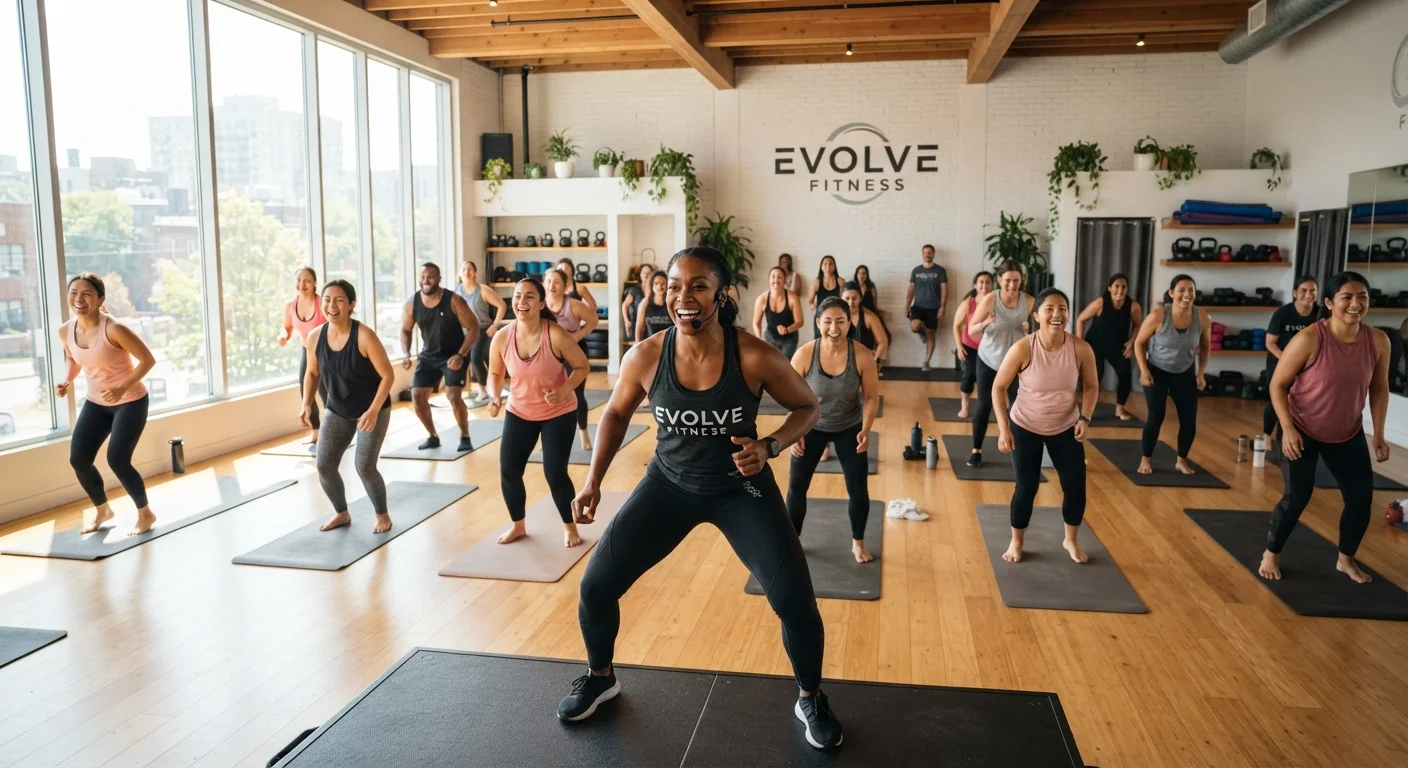
Photo: FaqsDrive.com | Smart Way To Search editorial
—— In This Article
Key Takeaways
- Group fitness classes range widely in intensity, format, and physical demand - there's likely a good fit for nearly everyone.
- Social accountability in group settings can help beginners stay consistent with exercise over time.
- Trying a beginner-labeled or low-impact class first reduces injury risk and builds confidence.
- Most formats fall into cardio, strength, mind-body, or water-based categories - each with distinct benefits.
- Always consult a healthcare professional before starting a new exercise program, especially if managing a health condition.
What Actually Happens in a Group Fitness Class
Walking into your first group fitness class can feel intimidating - but knowing what to expect takes a lot of the mystery out of it. Most classes follow a predictable structure: a warm-up (usually 5-10 minutes), a main workout block, and a cool-down with stretching. An instructor guides you through each phase, often with music setting the pace and mood.
Class sizes vary widely. Some boutique studios cap attendance at 10-15 people for a more personalized feel, while large gym classes may have 30 or more participants. Most instructors will offer modifications - easier or harder versions of movements - so you can work at your own pace without falling behind or holding anyone up.
If you're brand new to exercise, it's worth understanding the broad difference between cardio-focused and strength-focused workouts. Our guide to cardio vs. strength training breaks down what each does for your body at a physiological level, which can help you choose a class format with clearer intention.
Arrive a Few Minutes Early
Introduce yourself to the instructor before your first class and let them know you're new. A good instructor will point out where equipment is, explain any class-specific format, and keep an eye out to offer modifications. This small step can make a big difference in how welcome and safe you feel from the start.
Common Class Formats Compared
Group fitness isn't one-size-fits-all. The table below outlines several popular formats so you can compare them at a glance before committing to a class.
| Yoga | Cycling (Spin) | Dance Cardio | Group Strength | Water Aerobics | |
|---|---|---|---|---|---|
| Intensity level | Low to moderate | Moderate to high | Moderate to high | Moderate | Low to moderate |
| Joint impact | Low impact | Low impact | Moderate impact | Moderate impact | Very low impact |
| Beginner-friendly | Yes, widely available | Moderate - can be intense | Generally yes | Yes, with modifications | Yes, very accessible |
| Primary benefit | Flexibility, stress relief | Cardiovascular endurance | Cardio, coordination | Muscular strength | Cardio, low-strain movement |
| Equipment needed | Yoga mat | Stationary bike | None or light | Free weights, machines | Pool access |
| Typical class length | 45-75 minutes | 45-60 minutes | 45-60 minutes | 45-60 minutes | 45-60 minutes |
| Social energy | Calm, quiet | High energy | High energy, fun | Moderate energy | Relaxed, communal |
A few things to note: intensity levels are general guidelines, not rigid rules. An experienced instructor can scale any class up or down, and your personal fitness level plays a big role in how a class actually feels. If unfamiliar fitness terminology comes up - like HIIT, RPE, or aerobic threshold - our plain-language fitness glossary is a helpful reference.
How to Choose a Class That Actually Fits You
The best class is one you'll actually return to. Here are the most useful factors to weigh when deciding:
- Current fitness level: Look for classes explicitly labeled "beginner," "all levels," or "intro." Jumping into an advanced format too quickly raises injury risk and can discourage you from continuing.
- Joint and mobility considerations: If you have knee, hip, or back concerns, low-impact formats like water aerobics, chair yoga, or gentle yoga are generally more forgiving. Always check with a healthcare provider about what's appropriate for your specific situation.
- Your social preferences: Some people thrive in high-energy, large classes where anonymity feels freeing. Others prefer smaller, quieter settings where the instructor can offer individual attention.
- Schedule and location: Consistency matters more than perfection. A class that fits your commute and schedule is more valuable than an "ideal" class you rarely attend.
- Cost: Drop-in rates, monthly memberships, and community recreation center fees vary significantly. Many gyms offer free trial classes - a low-risk way to test a format before spending money.
Research consistently suggests that enjoyment is one of the strongest predictors of long-term exercise adherence. Our piece on why new exercisers often quit within 30 days explores this in more depth and offers practical strategies for building lasting habits.
~20%
Higher exercise adherence in group settings
A study published in the Journal of the American Osteopathic Association found group exercisers reported significantly lower stress and higher quality of life than those who worked out alone.
1 in 3
Adults meet aerobic activity guidelines
According to the CDC, only about one in three U.S. adults get the recommended amount of weekly aerobic physical activity.
Special Considerations for Older Adults and Those with Health Conditions
Group fitness classes can be an excellent option across the lifespan, but the right format genuinely shifts with age and physical capability. Water aerobics, tai chi, and chair-based classes are frequently recommended for older adults because they reduce fall risk and joint strain while still delivering meaningful cardiovascular and strength benefits. For a fuller picture of how exercise needs evolve over time, see our overview of fitness across adult life stages.
If you're managing a chronic condition - heart disease, diabetes, osteoporosis, or any other - it's essential to speak with your doctor or a licensed physical therapist before starting any new exercise class, including seemingly gentle formats. A qualified instructor should also be informed of any relevant conditions so they can offer appropriate modifications.
Group classes aren't a replacement for individualized medical or physical therapy guidance; they're a complement to a broader approach to health. If you're weighing group classes against other exercise options, our comparison of home workouts and gym memberships may help clarify what setting suits your lifestyle best.
This article is for general informational and educational purposes only and does not constitute medical advice. Always consult a qualified healthcare professional before beginning a new exercise program or if you have concerns about your physical health.

Health & Wellness Editorial Team
Health & Wellness Editorial Team is the collective byline for our editorial team and contributor network. Articles published under this byline or an editorial pen name are researched, written, and reviewed according to our editorial standards for clarity, consistency, and independence before publication.
View author profile