
Fitness Terms Explained: A Plain-Language Glossary for Beginners
Reps, sets, HIIT, VO2 max, progressive overload — this reference guide defines the fitness jargon you'll encounter when starting out.
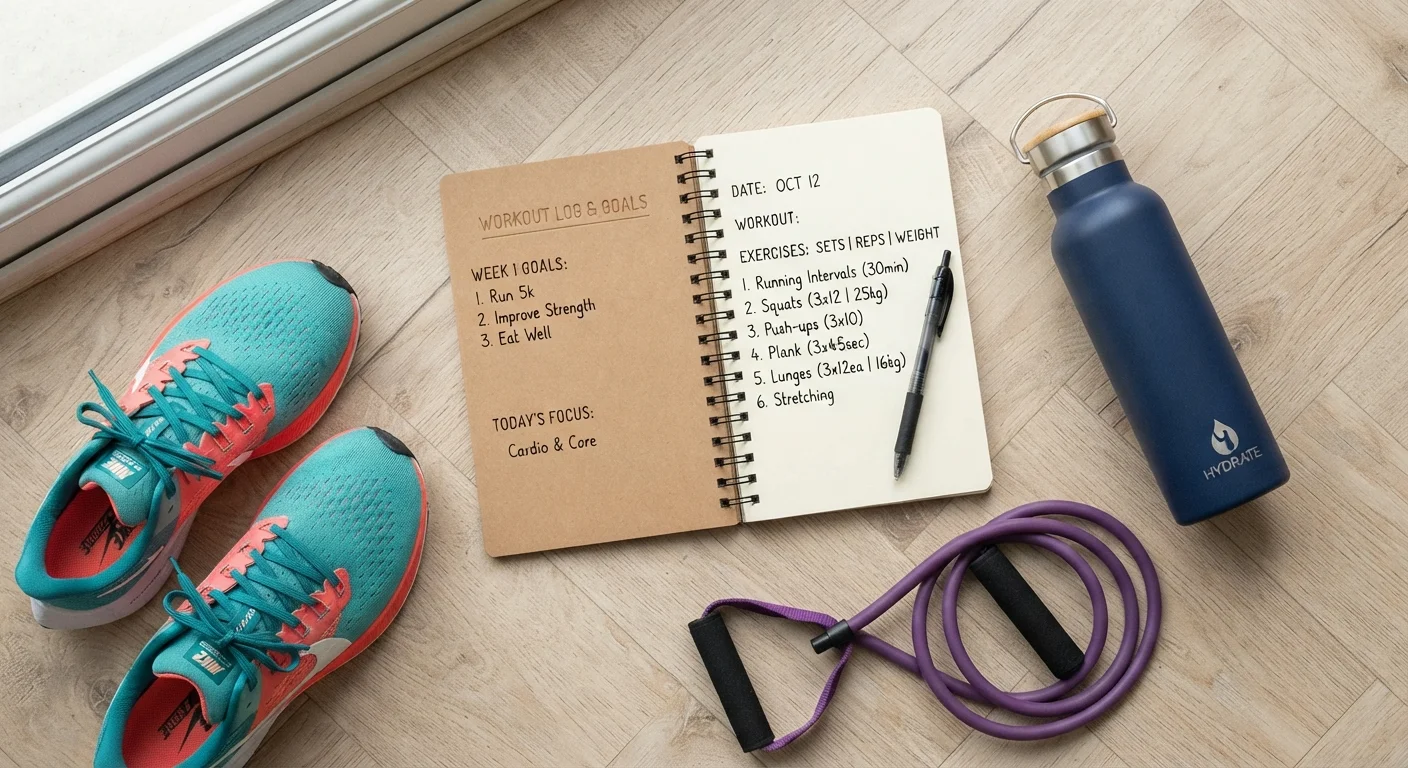
Photo: FaqsDrive.com | Smart Way To Search editorial
—— In This Article
Why Fitness Jargon Matters (and Doesn't Have to Be Scary)
Walk into any gym, open a workout app, or browse a fitness article and you'll quickly run into a wall of unfamiliar terms - reps, sets, macros, periodization. For beginners, that language can feel like a barrier before you've even broken a sweat. The good news: you don't need a personal trainer certification to understand the basics.
This reference guide defines the most common fitness terms in plain, everyday English. Bookmark it, return to it often, and use it as a companion alongside our guide to starting an exercise habit from zero. Once you understand the vocabulary, the workouts themselves start to make much more sense.
Repetition (Rep)
One complete movement of an exercise from start to finish. For example, one squat - going down and coming back up - counts as one rep.
Set
A group of consecutive repetitions performed without resting. A workout plan might call for 3 sets of 10 reps, meaning you do 10 reps, rest, then repeat that cycle two more times.
Progressive Overload
The practice of gradually increasing the challenge of your workouts over time - by adding weight, reps, or intensity - so your body continues to adapt and improve.
HIIT (High-Intensity Interval Training)
A workout style that alternates short bursts of intense effort with brief recovery periods. HIIT sessions are typically shorter than steady-state cardio but more demanding.
VO2 Max
The maximum amount of oxygen your body can use during intense exercise. It's considered a measure of cardiovascular fitness; higher values generally indicate greater aerobic capacity.
Compound Exercise
A movement that works multiple muscle groups at once, such as a squat (legs, glutes, core) or a push-up (chest, shoulders, triceps). Efficient and widely recommended for beginners.
Isolation Exercise
A movement that targets one specific muscle group, such as a bicep curl. Often used to strengthen or rehabilitate a particular area after compound work.
Rest Interval
The period of recovery between sets or exercises. Rest allows your muscles and energy systems to partially recover so you can perform the next set effectively.
Macronutrients (Macros)
The three major nutrients that provide energy: protein, carbohydrates, and fat. You may hear people discuss "tracking macros" as a way to monitor their diet's composition.
RPE (Rate of Perceived Exertion)
A self-reported scale (typically 1-10) used to describe how hard an exercise feels. An RPE of 6 might feel moderately challenging; a 9 would feel very intense.
Cooldown
A low-intensity activity performed at the end of a workout - like slow walking or gentle stretching - that helps your heart rate return to normal gradually.
Periodization
The structured planning of a training program over weeks or months, cycling through phases of different intensity and volume to promote steady progress and prevent burnout.
Key Numbers and Measures You'll See in Every Workout Plan
Workout programs are full of shorthand that assumes you already know what everything means. Here's a quick-reference breakdown of the numbers and metrics you'll encounter most often.
| What "1RM" means | One-Rep Maximum - the most weight you can lift for exactly one rep of an exercise |
| Typical beginner rest interval | 60-90 seconds between sets for most strength exercises (National Strength and Conditioning Association general guidance) |
| Target heart rate zone (moderate) | 50-70% of your estimated maximum heart rate (American Heart Association) |
| Recommended weekly activity (adults) | At least 150 minutes of moderate-intensity activity per week (U.S. Department of Health & Human Services Physical Activity Guidelines) |
| Muscle recovery time | Most muscle groups benefit from 48 hours of rest before training again (General exercise science consensus) |
| What "DOMS" stands for | Delayed Onset Muscle Soreness - the stiffness felt 24-72 hours after a new or intense workout |
One important note: metrics like VO2 max and heart rate zones are useful for general context, but what matters most for beginners is consistency and gradual progress - not hitting any specific number. If you're ever unsure how hard you should be pushing yourself, a healthcare provider or certified fitness professional can offer personalized guidance.
You may also run into persistent myths about these numbers - for example, the idea that you must train in a specific "fat-burning zone" to lose weight. Our fact-check of common exercise myths breaks down what the evidence actually says.
Fitness Metrics Are Tools, Not Report Cards
Numbers like VO2 max, heart rate zones, and one-rep maximums can feel intimidating or discouraging when you're just starting out. Think of them as neutral reference points rather than grades. Progress looks different for every person, and showing up consistently matters far more than hitting a specific benchmark. If any metric concerns you - especially heart rate-related ones - talk with your doctor before adjusting your training intensity.
Building Your Fitness Vocabulary Over Time
Learning fitness terminology isn't a one-time event - it's a gradual process that grows alongside your experience. As you try new formats, you'll naturally absorb new words. Group classes, for instance, introduce their own shorthand quickly; our overview of group fitness class formats can help you decode what instructors mean before you walk in the door.
If you enjoy learning concepts through glossaries like this one, you might find a similar approach helpful in other areas of life. We use the same plain-language format in our financial vocabulary glossary for beginners, which defines 30 essential money terms in everyday language.
The most important thing to remember: you don't need to master every term before you start moving. Start simple, stay curious, and let the language come naturally as your confidence grows.
This article is for general informational and educational purposes only and is not a substitute for professional medical or fitness advice. Always consult a qualified healthcare provider before beginning a new exercise program, especially if you have any existing health conditions.

Health & Wellness Editorial Team
Health & Wellness Editorial Team is the collective byline for our editorial team and contributor network. Articles published under this byline or an editorial pen name are researched, written, and reviewed according to our editorial standards for clarity, consistency, and independence before publication.
View author profile