
How to Talk to a Mechanic Without Getting Lost or Overcharged
Walking into a repair shop without basic knowledge puts you at a disadvantage. These communication strategies help you ask the right questions and understand the answers.
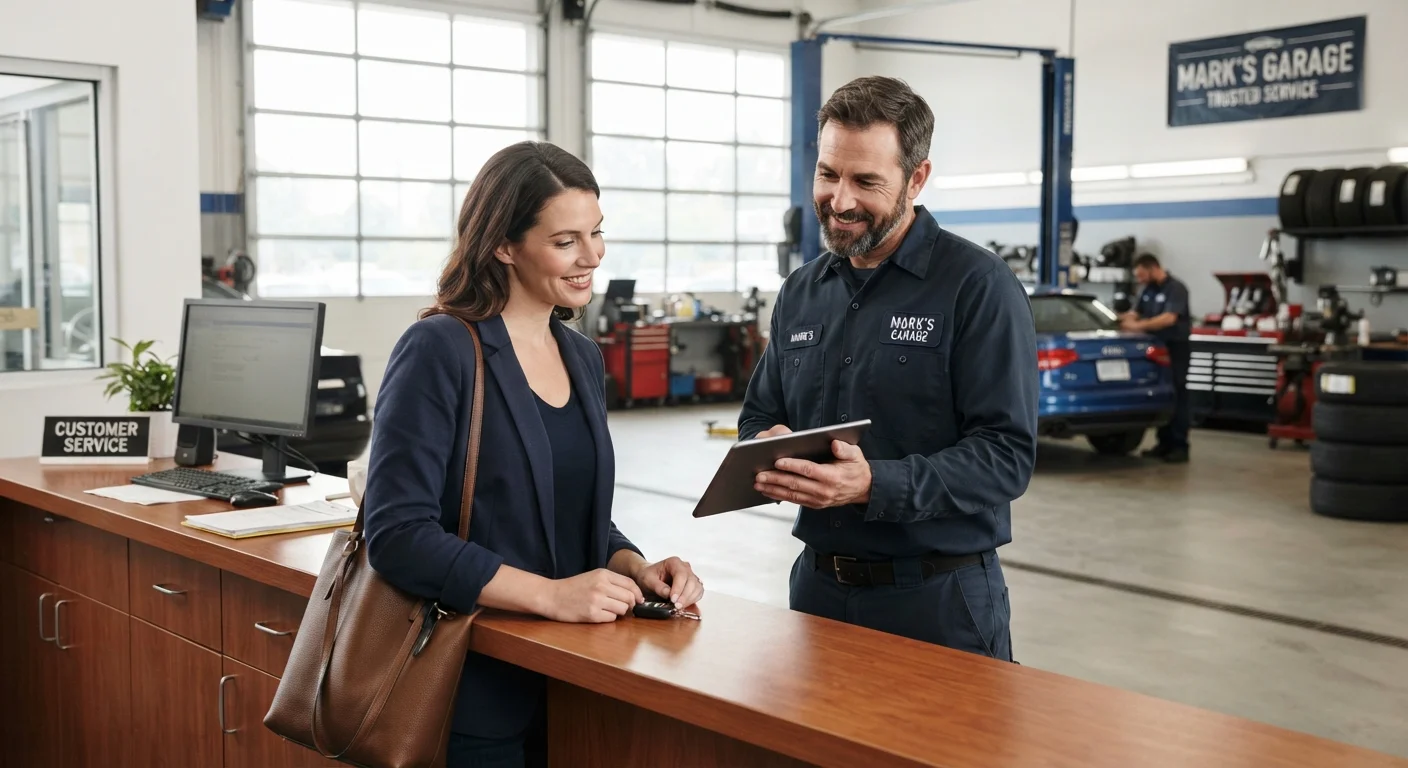
Photo: FaqsDrive.com | Smart Way To Search editorial
—— In This Article
Key Takeaways
- Always ask for a written estimate before authorizing any repair work.
- Describing symptoms clearly (sounds, smells, when it happens) helps mechanics diagnose faster and more accurately.
- You have the right to decline non-urgent repairs and get a second opinion.
- Understanding a few basic terms prevents misunderstandings and reduces the chance of being overcharged.
- Request your old parts back when possible - it confirms the work was actually done.
Why This Conversation Matters
Most car owners feel a knot in their stomach walking into a repair shop. The terminology is unfamiliar, the stakes feel high, and there's a real fear of being taken advantage of. That discomfort is understandable - but it's also largely preventable.
The truth is that most mechanics are straightforward professionals. The confusion that leads to overcharges usually comes from poor communication on both sides, not bad faith. When you know how to describe your car's problem, ask the right questions, and understand the basic flow of a repair visit, you stop being a passive bystander and start being an informed customer.
Before your next shop visit, it helps to have a solid foundation. Our Car Maintenance 101 guide covers the core concepts that make these conversations much easier to navigate.
What to Do Before You Arrive
A little preparation before you pull into the shop puts you in a much stronger position. Start by writing down everything you've noticed - unusual noises, dashboard warning lights, smells, or changes in how the car drives. Note when the issue happens: at startup, while braking, only in cold weather, or at highway speeds. This kind of specific, symptom-based description is exactly what a mechanic needs to diagnose efficiently.
Also pull out your owner's manual and check the recommended maintenance schedule for your mileage. Shops sometimes suggest services that aren't due yet. Knowing your car's actual needs prevents you from agreeing to work that isn't necessary. You can also cross-reference with our Understanding Your Car hub for plain-language explanations of key systems.
Communicating Clearly at the Shop
When you arrive, lead with symptoms, not diagnoses. Instead of saying "I need new brakes," say "I hear a grinding noise when I slow down from highway speeds." Telling a mechanic what to fix before they've inspected anything can result in unnecessary work - or missed root causes.
Ask for a written estimate before any work begins. A reputable shop will provide one. The estimate should list parts, labor hours, and labor rate separately. If the shop calls mid-repair with additional findings, don't feel pressured to approve everything on the spot. It's completely appropriate to say, "Please don't proceed until I've had a chance to think about it."
You Can Always Say 'Not Right Now'
Authorizing a repair is your decision, not the shop's. Unless a problem makes the vehicle unsafe to drive, you are not obligated to approve additional work during the same visit. If you're unsure whether something is truly urgent, it's reasonable to ask the mechanic plainly: 'Is it safe to drive this vehicle while I consider this repair?' Their answer will help you prioritize.
It's also worth knowing that some issues flagged during an inspection are genuinely urgent - like brake failure or steering problems - while others, like a worn cabin air filter, can wait. Ask the mechanic to categorize any additional findings as safety-critical, recommended soon, or can wait. This helps you prioritize without feeling like everything is an emergency. For more on separating necessary from unnecessary work, see our article on car ownership misconceptions that lead to unnecessary repair bills.
After the Work Is Done
Before you pay, ask the mechanic to walk you through what was done and why. A good shop will show you worn parts or explain the diagnostic steps they took. If parts were replaced, request the old ones back - this is a standard and reasonable request that confirms the replacement actually happened.
Review your invoice carefully. Labor hours should match the estimate, and any deviations should be explained. If something feels off, it's fine to ask for clarification in a calm, direct way: "Can you help me understand this line item?" Most discrepancies are clerical, not dishonest.
Finally, keep a simple maintenance log - a notebook or phone note - with dates, mileage, and what was done. This history is invaluable for spotting patterns, avoiding duplicate services, and maintaining resale value. If you're curious about what you can reasonably handle yourself between shop visits, our DIY car maintenance guide gives an honest breakdown.

Automotive Basics Editorial Team
Automotive Basics Editorial Team is the collective byline for our editorial team and contributor network. Articles published under this byline or an editorial pen name are researched, written, and reviewed according to our editorial standards for clarity, consistency, and independence before publication.
View author profile