
Hawaii Travel at a Glance: Islands, Entry Logistics, and What to Know Before You Book
A fast-reference overview of Hawaii's main islands, inter-island travel, entry requirements for US travelers, and key seasonal patterns.
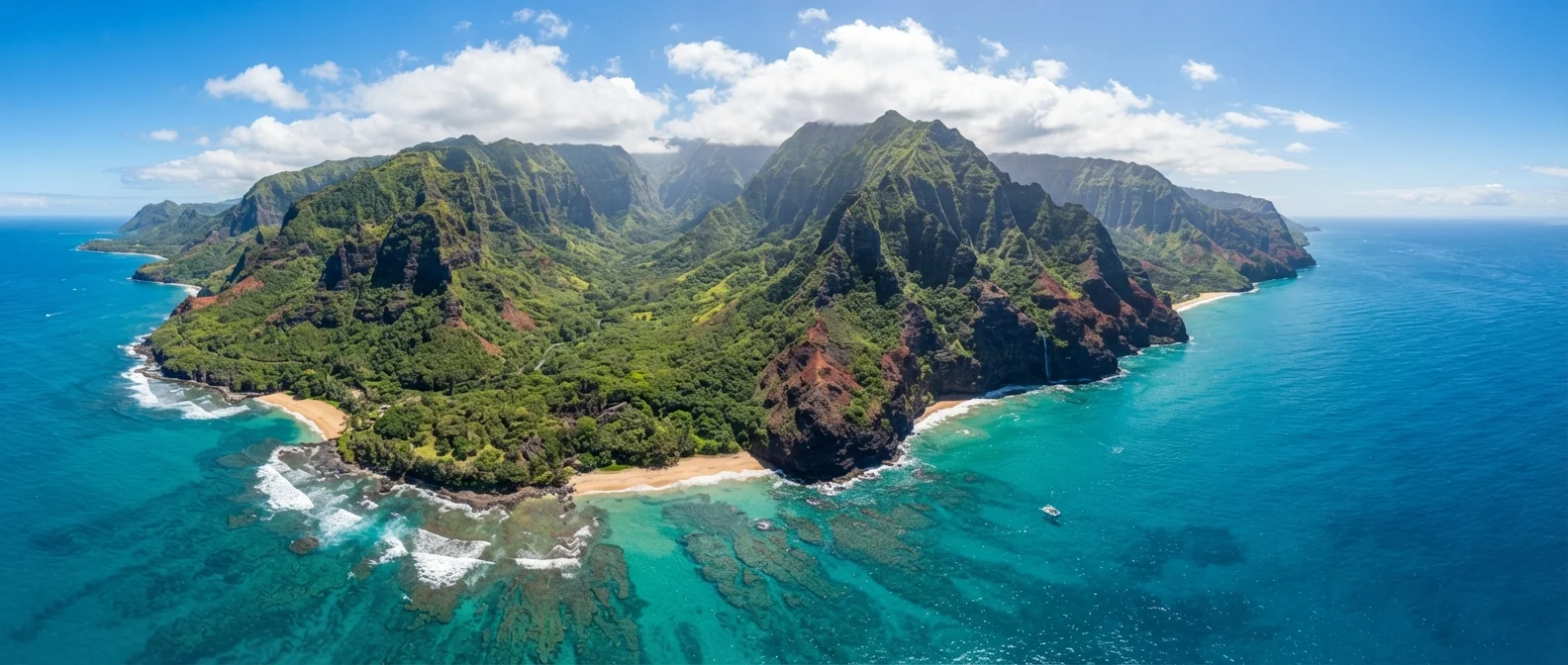
Photo: FaqsDrive.com | Smart Way To Search editorial
—— In This Article
Hawaii at a Glance: What Makes It a Unique Domestic Destination
Hawaii is the only US state located entirely in the Pacific Ocean — and for American travelers, that geographic quirk shapes everything from how you get there to how you get around once you arrive. As a domestic destination, it requires no passport, no currency exchange, and no international phone plan, but it does demand thoughtful planning around inter-island logistics, seasonal pricing, and island-specific experiences.
Hawaii's six publicly accessible main islands each have a distinct identity. Knowing which one (or which combination) fits your travel style is the single most valuable decision you'll make before booking. See our pre-booking checklist for budget-conscious travelers to help weigh your options before you commit.
The Main Islands: A Fast-Reference Breakdown
Each Hawaiian island has a different character, infrastructure level, and visitor profile. Here's what to know at a glance:
- Oahu
- Home to Honolulu and Waikiki, Oahu is the most visited and most connected island. It has the widest range of accommodations, the most dining options, and the state's busiest airport. Pearl Harbor and Diamond Head are major landmarks.
- Maui
- Known for Haleakalā National Park, the Road to Hana, and Kaanapali Beach. Maui draws a mix of honeymooners, families, and outdoor adventurers. It has its own international airport with mainland connections.
- Hawaii Island (Big Island)
- The largest island by land area, featuring active volcanoes through Hawai'i Volcanoes National Park, diverse climate zones, and black-sand beaches. Two airports serve different sides of the island.
- Kauai
- The "Garden Isle" — rugged, green, and less developed. The Na Pali Coast and Waimea Canyon are its signature draws. Smaller airport with primarily mainland connections through Lihue.
- Molokai & Lanai
- Quieter, less touristed islands with limited facilities. Molokai has no traffic lights and prioritizes cultural preservation. Lanai is largely privately managed and caters to a more exclusive visitor profile.
Windward vs. Leeward
Windward sides of Hawaiian islands face the prevailing northeast trade winds and tend to be greener and wetter. Leeward sides are sheltered, drier, and generally sunnier — important for choosing where to stay.
REAL ID
A federally compliant form of state-issued ID required for domestic air travel in the US. Check that your driver's license is REAL ID-compliant before flying to Hawaii.
Inter-island flight
A short domestic flight between Hawaiian islands, typically 20–45 minutes. It's the primary way to travel between islands since no comprehensive ferry network exists.
Timed-entry permit
A reservation system used at popular natural sites to limit crowding and protect ecosystems. Some Hawaii parks and trails require these in advance — verify before your trip.
Getting There and Getting Around: Entry and Inter-Island Logistics
For US citizens and permanent residents, Hawaii is treated like any other domestic destination — no passport required, no customs declaration on arrival from the mainland. A valid government-issued photo ID (such as a driver's license or REAL ID) is sufficient for air travel. Before your trip, verify your travel documents are in order — especially if your license is from a state with REAL ID compliance deadlines.
Non-US travelers should verify visa and entry requirements well in advance through official government sources, as rules can change.
Inter-Island Travel
There is no ferry service connecting all islands; inter-island flights are the standard way to island-hop. Flight times between islands are typically 20–45 minutes. If you plan to visit more than one island, budget for additional flights and factor in the time cost of airport check-ins. Renting a car is generally recommended on most islands outside of Oahu, where some areas have bus service. Use our pre-trip checklist to make sure transportation logistics are locked in before departure.
~10 million
Annual visitor arrivals to Hawaii
Hawaii Tourism Authority tracks visitor arrivals annually; numbers vary year to year based on airlift capacity and demand.
2,400 miles
Distance from US mainland (California)
Hawaii is the most geographically isolated island chain in the world, sitting roughly 2,400 miles from the US West Coast.
5 hrs
Average flight time from West Coast
Nonstop flights from Los Angeles or San Francisco to Honolulu average approximately 5–5.5 hours depending on routing and conditions.
Seasons, Costs, and Key Planning Considerations
Hawaii has two informal seasons: dry season (roughly April–October) and wet season (November–March). The wet season brings higher surf on north shores and more rain on windward coasts — but it also correlates with lower demand periods outside of the winter holidays. The dry season is generally sunnier and calmer for water activities.
Peak pricing periods tend to cluster around school holidays (summer, spring break, Thanksgiving, Christmas/New Year). Shoulder periods in spring and fall can offer a better balance of weather and demand. Prices for flights and accommodations from the mainland vary widely depending on departure city and lead time — booking flexibility matters more than any fixed rule.
Things to Factor In Before You Book
- Island-hopping adds cost and complexity — one island done well often beats three islands done rushed.
- Some natural sites require reservations — timed entry or permits are required at certain parks and trails. Check the relevant official park websites for current requirements. Our national park pre-trip checklist covers what to verify before heading to any protected area.
- Cultural respect matters — Hawaii has a living Indigenous culture. Visitors are encouraged to learn basic protocols around sacred sites, marine life interaction guidelines, and reef-safe practices.
- Budget transparency — Hawaii generally has a higher cost of living than mainland states, which is reflected in groceries, dining, and gas prices. For a broader framework on managing domestic trip budgets, see our guide to affordable domestic travel.

Travel & Trips Editorial Team
Travel & Trips Editorial Team is the collective byline for our editorial team and contributor network. Articles published under this byline or an editorial pen name are researched, written, and reviewed according to our editorial standards for clarity, consistency, and independence before publication.
View author profile