
The Trade-Offs of Traveling Ultra-Light With Only a Carry-On
Skipping checked bags saves money and time — but it comes with real limitations. An honest look at what carry-on-only travel does and doesn't work for.
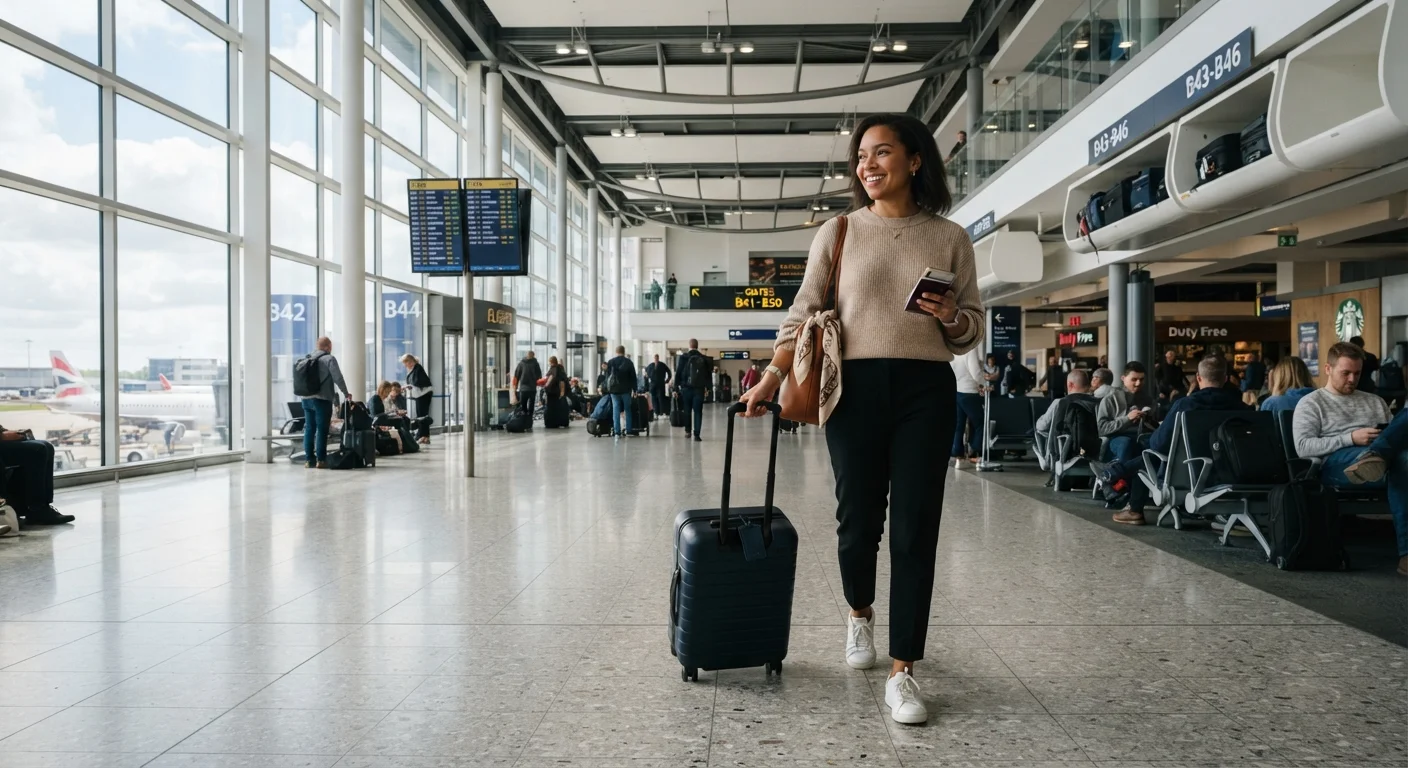
Photo: FaqsDrive.com | Smart Way To Search editorial
—— In This Article
Key Takeaways
- Carry-on-only travel can save $30–$70 or more per checked bag each way on many U.S. airlines.
- Packing ultra-light works best for short trips, warm climates, and flexible travelers.
- Strict airline size and weight limits mean not every item makes the cut.
- Some trips — winter travel, business attire, extended stays — genuinely strain carry-on limits.
- Planning what you'll wear and buy at your destination is key to making it work.
Avoids checked bag fees on most U.S. airlines
Many major U.S. carriers charge $30–$40 or more per checked bag each way, meaning a round trip can cost $60–$80 just for one bag. Carry-on-only eliminates that expense entirely on most standard fares.
No waiting at the baggage carousel
Skipping checked bags means you walk off the plane and straight out of the airport — a genuine time saving that can be significant on tight connections or late arrivals.
Zero risk of lost or delayed luggage
Airlines mishandle millions of bags each year according to U.S. Department of Transportation data. Keeping your bag with you removes that risk entirely.
Easier to navigate public transit and tight spaces
A single carry-on is far more manageable on city buses, trains, cobblestone streets, and small hotel rooms — particularly useful in dense urban destinations.
More flexibility to change flights last minute
Without a checked bag, switching to an earlier flight or rebooking after a cancellation is considerably simpler and often faster.
Strict size and weight limits vary by airline
Carry-on dimensions and weight allowances differ between carriers, and budget airlines in particular may enforce limits tightly. A bag that fits one airline's bin may be gate-checked on another.
Winter trips and bulky gear are hard to pack
Heavy coats, boots, and cold-weather layers take up significant space, often making carry-on-only impractical for winter travel or outdoor adventure trips requiring specialized equipment.
Liquids are restricted to TSA's 3-1-1 rule
Carry-on toiletries must meet TSA's 3.4-ounce container limit, which can complicate packing for travelers who rely on specific products or longer trips where toiletries run out.
Overhead bin space isn't always guaranteed
On full flights, overhead bins can fill before boarding is complete, forcing a gate check anyway — defeating part of the purpose of going carry-on-only.
Some basic economy fares now charge for carry-ons
Several U.S. carriers have extended fees to carry-on bags on their lowest fare tiers, meaning the cost assumption that carry-on is always free no longer holds universally.
Long trips require laundry planning and extra discipline
Trips longer than five to seven days typically require doing laundry on the road, which takes time and may add costs that partially offset savings from skipping checked bags.
Why Carry-On-Only Travel Has a Real Following
Walk through any busy U.S. airport and you'll spot them — travelers gliding past the checked-bag lines with a single compact bag, heading straight to security. The carry-on-only movement isn't just a trend; for many travelers, it's a deliberate choice built around saving money and reclaiming time.
Most major U.S. airlines now charge checked bag fees, and those costs add up fast — especially on round trips or multi-city itineraries. Skipping that fee is an immediate, concrete saving. Beyond the dollars, there's the time: no waiting at the baggage carousel, no risk of a bag arriving on a different flight, and the freedom to move the moment you land.
As part of any smart trip planning strategy, it's worth honestly weighing whether carry-on-only travel fits your specific journey — because it doesn't work equally well for everyone.
Avoids checked bag fees on most U.S. airlines
Many major U.S. carriers charge $30–$40 or more per checked bag each way, meaning a round trip can cost $60–$80 just for one bag. Carry-on-only eliminates that expense entirely on most standard fares.
No waiting at the baggage carousel
Skipping checked bags means you walk off the plane and straight out of the airport — a genuine time saving that can be significant on tight connections or late arrivals.
Zero risk of lost or delayed luggage
Airlines mishandle millions of bags each year according to U.S. Department of Transportation data. Keeping your bag with you removes that risk entirely.
Easier to navigate public transit and tight spaces
A single carry-on is far more manageable on city buses, trains, cobblestone streets, and small hotel rooms — particularly useful in dense urban destinations.
More flexibility to change flights last minute
Without a checked bag, switching to an earlier flight or rebooking after a cancellation is considerably simpler and often faster.
The Real Limitations You'll Run Into
Carry-on-only travel demands compromise, and that compromise is more significant on some trips than others. Airlines enforce strict size and weight limits — and those limits vary by carrier, route, and even aircraft type. A bag that clears one airline's overhead bin rules may be gate-checked on another.
Winter trips are where carry-on-only packing most often breaks down. Heavy coats, boots, and layers simply take up space. Similarly, trips requiring formal business attire, specialized gear (think hiking boots, snorkeling equipment, or a week's worth of professional clothing), or gifts and souvenirs for the return trip can quickly outpace a single bag's capacity.
Extended trips also stretch the strategy. A long weekend in a warm city? Very doable. Three weeks across multiple climates? You'll likely make trade-offs you didn't anticipate — or end up spending money on laundry services or replacement items that erode your original savings.
Strict size and weight limits vary by airline
Carry-on dimensions and weight allowances differ between carriers, and budget airlines in particular may enforce limits tightly. A bag that fits one airline's bin may be gate-checked on another.
Winter trips and bulky gear are hard to pack
Heavy coats, boots, and cold-weather layers take up significant space, often making carry-on-only impractical for winter travel or outdoor adventure trips requiring specialized equipment.
Liquids are restricted to TSA's 3-1-1 rule
Carry-on toiletries must meet TSA's 3.4-ounce container limit, which can complicate packing for travelers who rely on specific products or longer trips where toiletries run out.
Overhead bin space isn't always guaranteed
On full flights, overhead bins can fill before boarding is complete, forcing a gate check anyway — defeating part of the purpose of going carry-on-only.
Some basic economy fares now charge for carry-ons
Several U.S. carriers have extended fees to carry-on bags on their lowest fare tiers, meaning the cost assumption that carry-on is always free no longer holds universally.
Long trips require laundry planning and extra discipline
Trips longer than five to seven days typically require doing laundry on the road, which takes time and may add costs that partially offset savings from skipping checked bags.
It's also worth checking whether your savings assumption holds up. Some airlines now charge for carry-on bags on basic economy fares, which changes the math. See our breakdown of common budget travel myths before assuming carry-on is always the cheaper path.
Making Carry-On-Only Work: What Actually Helps
The travelers who carry-on-only most successfully tend to share a few habits. They choose versatile, neutral-colored clothing that mixes and matches. They wear their bulkiest items — thick-soled shoes, a heavy jacket — on travel day instead of packing them. They research laundry options at their destination and factor that into their plans.
TSA Liquids Rule: What to Know
The TSA's 3-1-1 rule applies to all carry-on bags on U.S. flights: liquids, gels, and aerosols must be in containers of 3.4 ounces (100ml) or less, all fitting in a single quart-sized clear zip-top bag. Solid alternatives — shampoo bars, solid deodorant, powder sunscreen — can bypass this limit and are worth exploring for longer trips. Always verify current TSA guidelines at tsa.gov before you travel, as rules can be updated.
Toiletries follow TSA's 3-1-1 rule for carry-on liquids: containers of 3.4 ounces or less, in one quart-sized clear bag, one bag per traveler. Solid toiletries (shampoo bars, solid sunscreen) sidestep this limit entirely and are worth considering.
Before committing to carry-on-only, run through your packing list against your trip's actual demands. Our pre-trip checklist for budget-conscious travelers can help you catch gaps before you're at the airport. And if you're building a trip budget, don't forget to account for laundry costs, potential airline upgrade fees, or the occasional item you'll need to purchase on the road — our realistic travel budget guide walks through exactly how to do that.
Carry-on-only travel, like off-season travel, rewards travelers who go in clear-eyed about the trade-offs rather than assuming it's always the right call.
$7.0B+
U.S. airline baggage fee revenue annually
According to U.S. Bureau of Transportation Statistics data, domestic airlines collected over $7 billion in checked baggage fees in a recent reporting year, illustrating how significant these costs are for travelers.
2.3M+
Mishandled bags reported in the U.S. in one year
The U.S. Department of Transportation's Air Travel Consumer Report tracks mishandled baggage; millions of bags are delayed, damaged, or lost annually on domestic and international routes.

Travel & Trips Editorial Team
Travel & Trips Editorial Team is the collective byline for our editorial team and contributor network. Articles published under this byline or an editorial pen name are researched, written, and reviewed according to our editorial standards for clarity, consistency, and independence before publication.
View author profile