
Smart Ways to Cut Food Costs While Traveling Without Sacrificing the Experience
Eating well on a trip doesn't require a big budget. Practical strategies for saving on meals without missing out on local flavors.
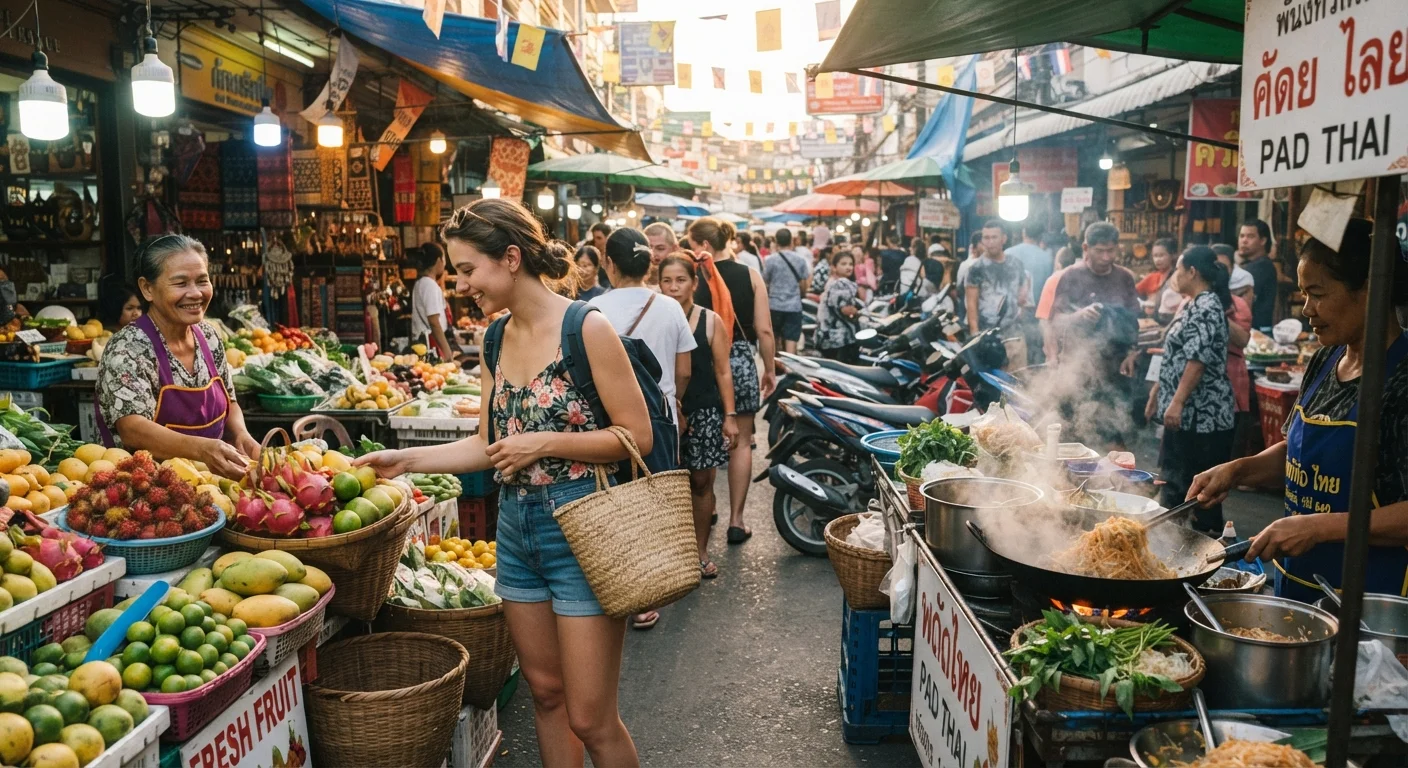
Photo: FaqsDrive.com | Smart Way To Search editorial
—— In This Article
Key Takeaways
- Eating where locals eat — not where tourists cluster — consistently delivers better food at lower prices.
- Shifting your biggest meal to midday can cut restaurant bills significantly without reducing enjoyment.
- Grocery stores and markets aren't a compromise; they're a legitimate way to experience local food culture.
- Planning a rough daily food budget before departure prevents the overspending that quietly derails trips.
- Small habits like carrying snacks and skipping tourist-trap beverages add up to real savings over a trip.
Why Food Costs Catch Travelers Off Guard
Food is one of the most underestimated line items in any travel budget. It's easy to estimate flights and hotels upfront, but meals happen three times a day and the costs pile up fast — especially when you're tired, unfamiliar with a place, and defaulting to whatever restaurant is right in front of you.
The good news: eating well on the road and keeping costs reasonable are not mutually exclusive. With a little awareness and a handful of smart habits, you can actually eat better on a budget than many tourists spending twice as much. See our guide to building a realistic travel budget for help factoring meals into your pre-trip planning.
~30%
Share of travel budget spent on food and drink
According to the U.S. Travel Association, food and beverage typically accounts for roughly 30% of total traveler spending — making it one of the largest adjustable expense categories on any trip.
2–3x
Price difference between tourist and local dining
Travel researchers and consumer advocates consistently note that restaurants in high-traffic tourist zones charge two to three times more than comparable local establishments a short distance away.
Proven Practices for Saving on Meals Without Missing Out
These strategies work across destinations — whether you're road-tripping through the American Southwest or exploring a city for the first time. The common thread is intentionality: making small, deliberate choices instead of defaulting to convenience.
Eat your largest meal at lunch, not dinner.
Many restaurants — especially in larger cities — offer lunch specials or prix-fixe midday menus at significantly lower prices than the same dishes at dinner. You get the full sit-down experience without the full sit-down price tag.
Shop at local grocery stores and markets for at least one meal per day.
Grocery stores aren't a consolation prize — they're a window into how locals actually eat. Picking up regional cheeses, fresh bread, or prepared deli items is both affordable and culturally interesting.
Avoid restaurants immediately adjacent to major tourist attractions.
Restaurants within a block or two of popular landmarks often charge premium prices while offering lower quality, because foot traffic is guaranteed regardless. Walking even two or three blocks away typically yields noticeably better value.
Carry portable snacks from day one to avoid desperation spending.
Hunger makes expensive, low-quality choices feel acceptable. Keeping a few snacks on hand — nuts, dried fruit, a piece of fruit from a market — prevents the impulse buys that add up over a multi-day trip.
Drink water and skip tourist-priced beverages with meals.
Beverages — especially alcohol, bottled water, and specialty drinks at tourist-facing restaurants — can easily double a meal's cost. Requesting tap water where it's safe and available is one of the most painless ways to trim spending.
Set a daily food budget before you leave home and track it loosely.
Without a rough target, spending drifts upward unconsciously. A simple daily number — even a flexible one — creates enough awareness to prevent the cumulative overruns that surprise travelers at the end of a trip.
Quick Wins You Can Apply on Any Trip
Not every food-savings strategy requires advance research. Several of the most effective moves cost nothing and take under five minutes to put into practice. Start here if you want immediate results.
For more ideas on keeping total trip spending in check, check out free and low-cost things to do in any new city — because what you do between meals matters for the budget too.
The Mindset Shift That Makes It All Work
The biggest obstacle to eating affordably while traveling isn't logistics — it's the assumption that budget eating means a worse experience. That belief, examined honestly, doesn't hold up. Plenty of the most memorable meals travelers describe happen at a picnic table, a market stall, or a diner where the menu is handwritten.
“The best travel food experiences are almost never the most expensive ones. They're the ones that put you in closest contact with how people actually live.”
— Rick Steves, Travel writer and public television host
Authentic local food is often the most affordable option in any destination, precisely because it's made for residents — not for visitors with expense accounts. Leaning into that reality, rather than fighting it, changes the entire dynamic of traveling on a food budget. It's worth revisiting common budget travel myths to shake loose any assumptions that might be costing you more than necessary.
Ask Locals, Not Hotel Concierges
Hotel concierges can be helpful, but their restaurant recommendations sometimes skew toward establishments with formal referral arrangements. For the most honest suggestions, ask a barista, a shopkeeper, or a rideshare driver where they eat on their lunch break. You'll get more reliable leads on genuinely affordable, quality spots.
If you're planning a shorter getaway, the same principles apply at a smaller scale — our piece on stretching a long weekend without overspending walks through how to get the most out of a 3- or 4-day trip on a tight budget.

Travel & Trips Editorial Team
Travel & Trips Editorial Team is the collective byline for our editorial team and contributor network. Articles published under this byline or an editorial pen name are researched, written, and reviewed according to our editorial standards for clarity, consistency, and independence before publication.
View author profile