
Free and Low-Cost Things to Do in Any New City
You don't need a packed itinerary of paid attractions to enjoy a destination. Explore the types of free and affordable experiences most cities offer.
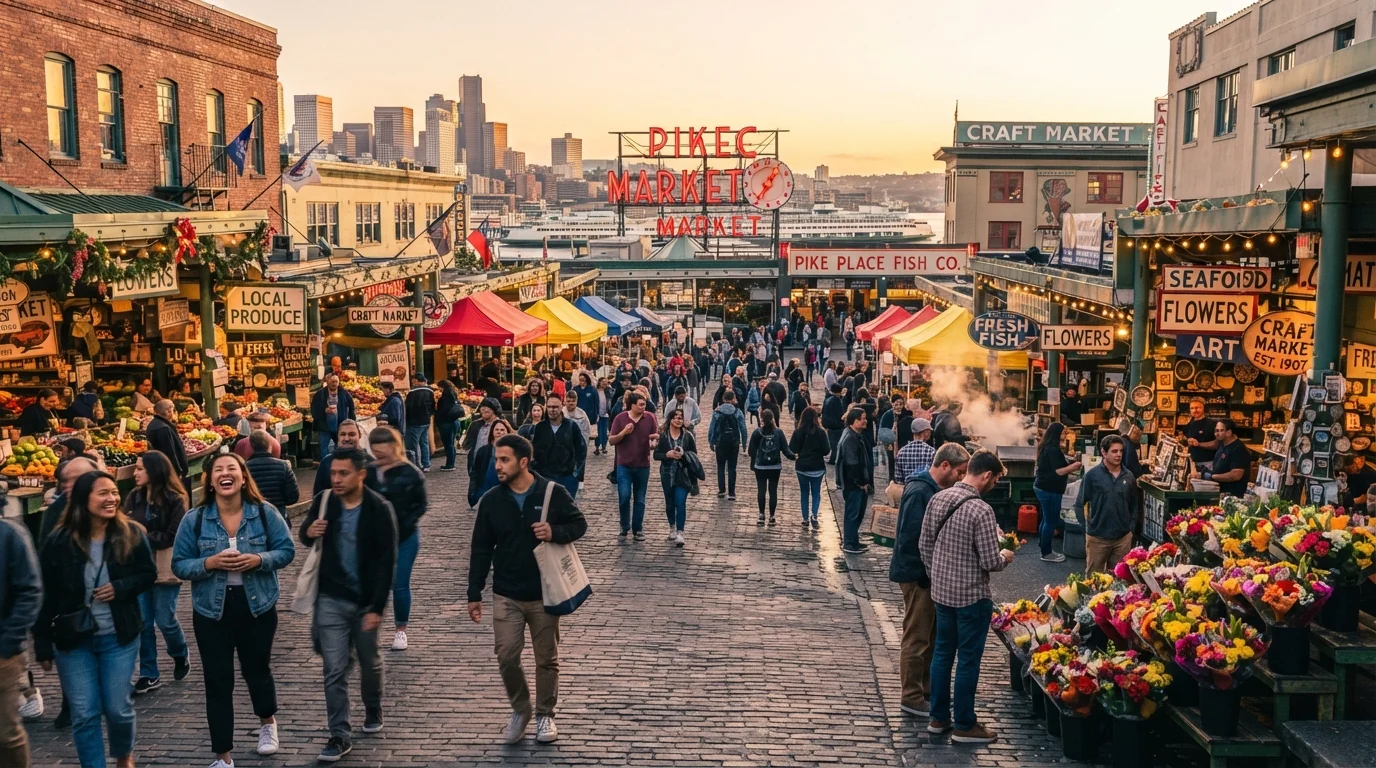
Photo: FaqsDrive.com | Smart Way To Search editorial
—— In This Article
Key Takeaways
- Public parks, markets, and waterfronts offer genuine local flavor at zero cost.
- Many museums and cultural institutions offer free or reduced-price admission on select days.
- Walking neighborhoods and joining free tours reveals a city's character better than paid attractions.
- Libraries, visitor centers, and local event listings are underused resources for free activities.
- Budget-friendly travel is about intentional choices, not deprivation.
Why free and low-cost experiences often define the best trips
There's a persistent myth that a great trip requires a packed schedule of paid attractions. In reality, some of the most vivid travel memories come from unscripted moments — a free outdoor concert stumbled upon in a city square, a conversation at a neighborhood farmers market, a walking tour that reframes a place's entire history. For everyday Americans watching their travel budgets, knowing how to tap into a city's free and affordable offerings isn't a fallback strategy. It's a smarter way to travel.
The activities listed below aren't obscure workarounds. They're the kinds of experiences most cities offer as a matter of course — you just need to know where to look. Whether you're visiting a major metro or one of the underrated American cities worth exploring, these approaches apply broadly and consistently.
Build in unstructured time for spontaneous finds
The best free experiences are often unplanned — a neighborhood festival you stumble onto, a free gallery opening you notice posted in a café window. Leaving two to three hours of each day open makes room for these discoveries. A loosely structured itinerary consistently outperforms an overbooked one.
Seven ways to explore any new city without overspending
Spend time in public parks and green spaces
Every American city — from a major metro to a mid-sized town — maintains public parks that are free to enter and genuinely worth exploring. These aren't just places to pass through. City parks often host weekend farmers markets, free outdoor concerts, cultural festivals, and community events that give you an authentic slice of local life without spending a dollar.
Beyond organized events, parks offer trails, scenic overlooks, botanical gardens, and waterfronts that double as some of the most memorable parts of any trip. Check the city's parks and recreation website before you arrive to see what's scheduled during your visit.
City parks regularly host free concerts, markets, and cultural events that locals actually attend.
Visit museums on free or discounted admission days
Many museums — art, history, science, natural history — offer free admission on specific days or evenings each month. Some institutions, particularly those funded by local governments or major foundations, are free every day. Smithsonian museums across Washington, D.C., for example, charge no general admission at all.
Even in cities where most museums charge full price, check for reduced rates on weekday mornings, the first Sunday of the month, or through library card programs. Numerous public library systems partner with local cultural institutions to offer cardholders free or discounted passes — a resource many travelers overlook entirely.
Your local library card may unlock free museum entry at your destination — check before you go.
Explore neighborhoods on foot
Some of the most rewarding travel experiences cost nothing more than comfortable shoes. Historic districts, arts neighborhoods, waterfront corridors, and immigrant enclaves each have their own character — architecture worth photographing, murals, small shops, and street food that paint a more honest picture of a city than any ticketed attraction.
Walking also lets you slow down and notice details that rushing between paid stops doesn't allow. Pair a self-guided walk with a free downloadable map from the city's visitor bureau, or look up neighborhood walking routes posted by local historical societies. This approach pairs especially well with the advice in our guide to building a flexible day-by-day itinerary — leaving open time lets you wander without pressure.
Walking a single well-chosen neighborhood often reveals more than a full day of ticketed attractions.
Join free walking tours
Free walking tours operate in most mid- to large-sized American cities and many popular smaller ones. Typically run by local guides on a tip-based model, these tours cover downtown history, architecture, food culture, or neighborhood stories — and the knowledge you'll gain usually rivals paid options. Search for free walking tours specific to your destination before you travel, and book a spot in advance since they fill up.
Some cities also offer self-guided audio tours through free apps or city tourism websites, letting you move at your own pace while still getting context about what you're seeing.
Tip-based walking tours deliver expert local insight and cost only what you choose to give.
Use visitor centers and local event listings
City visitor centers — often run by convention and visitors bureaus — are genuinely useful, not just brochure racks. Staff can point you toward free community events happening that weekend, lesser-known attractions, and discount passes that aren't widely advertised online. Many offer free city maps and coupon booklets with meaningful savings on food and activities.
Supplement this with a quick scan of local event sites (many cities have free community calendar platforms), neighborhood Facebook groups, or the local newspaper's events section. You'll often find free outdoor film screenings, gallery openings, neighborhood block parties, or live music in public spaces that won't appear in mainstream travel guides.
A five-minute conversation at a visitor center can surface free events that no travel app will show you.
Eat strategically at markets and casual local spots
Food is one of the biggest budget drains on any trip, but it doesn't have to be. Public food halls, farmers markets, and casual local lunch counters often serve the same quality of local cuisine as sit-down restaurants at a fraction of the price. Grabbing breakfast or lunch from a market vendor, then saving your dining budget for one meaningful dinner, is a common strategy among experienced budget travelers.
Our guide to cutting food costs while traveling covers this in more depth, including how to find spots where locals actually eat rather than tourist-facing restaurants near major sights.
Eating where locals shop — markets, food halls, lunch counters — saves money without sacrificing flavor.
Seek out free cultural performances and public art
Plenty of cities support vibrant free cultural programming: outdoor concerts in plazas, free theatrical performances in parks, public art installations, and street performers who are genuinely talented. College campuses frequently host free lectures, film screenings, gallery exhibitions, and performances open to the public — and they're rarely crowded with tourists.
If you're exploring underrated American cities, you may find that free cultural programming is even richer precisely because these places invest in community arts without depending on tourist traffic.
College campuses and city plazas regularly host free cultural events that most tourists completely miss.
Verify schedules and availability before visiting
Free admission days, public events, and visitor center hours can change seasonally or with little notice. Always confirm details directly with the venue or organizer before building your plans around them. City tourism websites and official venue pages are the most reliable sources.
Making free experiences part of a bigger travel plan
Free and low-cost activities work best when they're woven into a thoughtful overall trip structure — not crammed in as afterthoughts. If you're building out a longer trip, the beginner's roadmap to affordable domestic travel covers how to approach the full picture from transportation to lodging to daily spending. For shorter getaways, see how to stretch a long weekend into a memorable trip without overspending.
The core insight is straightforward: a city's free offerings aren't consolation prizes for travelers who can't afford the paid stuff. They're often the most authentic version of a place — and the experiences you'll actually remember.

Travel & Trips Editorial Team
Travel & Trips Editorial Team is the collective byline for our editorial team and contributor network. Articles published under this byline or an editorial pen name are researched, written, and reviewed according to our editorial standards for clarity, consistency, and independence before publication.
View author profile