
Dog Grooming at Home: Building a Routine That Sticks
From brushing to nail trimming, learn how to establish a consistent grooming routine your dog will eventually tolerate — and maybe enjoy.
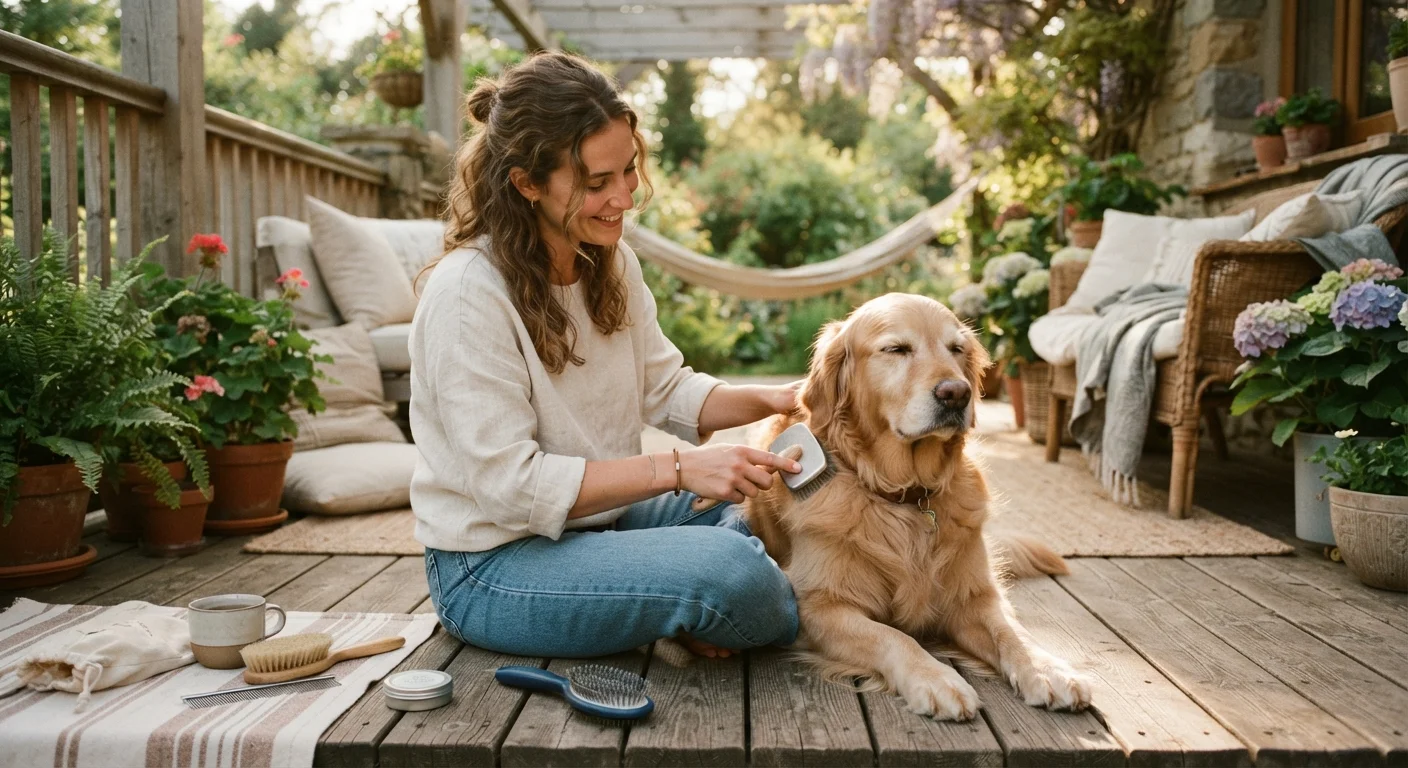
Photo: FaqsDrive.com | Smart Way To Search editorial
—— In This Article
Key Takeaways
- Starting grooming sessions early and keeping them short builds lasting positive associations for your dog.
- Each dog needs a customized schedule based on coat type, breed, and lifestyle.
- Nail trims, ear checks, and dental care are just as important as brushing — don't skip them.
- Treats and calm praise during grooming teach your dog that handling is safe and rewarding.
- Knowing when to call a professional groomer protects your dog from accidental injury at home.
Why a Home Grooming Routine Actually Matters
Grooming isn't just about keeping your dog looking good — it's a foundational part of their overall health. Regular brushing removes loose fur, dirt, and debris while distributing natural skin oils. Routine nail trims prevent painful overgrowth that can affect how your dog walks. Ear checks catch early signs of infection before they become serious. And getting your dog comfortable with being handled makes vet visits less stressful for everyone involved — something worth reading about in our annual vet visit preparation checklist.
For new dog owners especially, building this habit early pays long-term dividends. Puppies who are gently exposed to brushes, clippers, and ear handling grow into adults who are far more cooperative at grooming time. But it's never too late to start with an older dog — patience and consistency work at any age.
Building Your Dog's Personalized Grooming Schedule
No two dogs need exactly the same grooming plan. A double-coated breed like a Husky needs far more frequent brushing than a short-haired Beagle. A dog that walks daily on pavement naturally wears down nails faster than one who mostly stays on grass. Consider these variables when putting together a schedule:
- Coat type: Long, thick, or double coats typically need brushing several times per week. Short, smooth coats may only need weekly attention.
- Activity level: Active dogs who spend time outdoors may need more frequent ear checks and paw inspections for debris or cuts.
- Age: Senior dogs often develop drier skin and may need gentler tools and shorter sessions.
Keeping grooming sessions short — 5 to 10 minutes for beginners — helps prevent your dog from becoming overwhelmed. Pair sessions with the same time of day so your dog learns to anticipate and accept the routine, similar to how you'd structure any positive habit. This kind of predictable, low-stress handling also supports the trust-building central to crate training done right.
The Core Grooming Tasks: What to Do and How Often
A well-rounded home grooming routine covers five key areas:
- Brushing: Removes tangles, loose hair, and surface dirt. Frequency depends on coat type (see above). Always brush before bathing to prevent mats from tightening with water.
- Bathing: Most dogs need a bath every four to six weeks, though this varies by lifestyle and coat. Use a dog-specific shampoo — human products can disrupt their skin's pH balance.
- Nail trimming: Nails that click loudly on hard floors are overdue for a trim. Aim to trim every three to four weeks. Cut small amounts at a time to avoid the quick — the blood vessel inside the nail — and keep styptic powder on hand in case of accidental nicks.
- Ear cleaning: Check ears weekly for redness, odor, or excessive wax. Use a veterinarian-recommended ear cleaner and cotton balls — never insert anything into the ear canal.
- Dental hygiene: Brushing your dog's teeth several times per week with a dog-safe toothpaste is the most effective way to reduce plaque buildup and prevent dental disease.
If any of these tasks seem daunting at first, focus on one at a time. Mastering brushing before moving on to nail trims makes the learning curve more manageable for you and less overwhelming for your dog.
When to Call a Professional Groomer
Home grooming handles the basics well, but some situations call for professional help. Severely matted coats should be handled by a groomer rather than attempted at home — forcing a brush through tight mats is painful and can injure skin. Breeds requiring haircuts (such as Poodles, Shih Tzus, or Doodle mixes) typically need a groomer every six to eight weeks to maintain a safe, functional coat length.
Grooming and Your Dog's Breed Matter
Grooming needs vary enormously across dog breeds. A short-haired Labrador and a long-coated Afghan Hound require completely different tools, techniques, and time investments. Before finalizing your routine, research the specific coat care requirements for your dog's breed or mix. Your veterinarian or a professional groomer can also offer breed-specific guidance tailored to your individual dog.
If your dog becomes extremely anxious or snaps during grooming, a professional groomer experienced with anxious dogs — or a consultation with your veterinarian — is a safer path than pushing through at home. Some dogs benefit from a short desensitization program before sessions begin. This is general guidance; for dogs with significant fear or anxiety, speak with a veterinary professional about the best approach for your specific pet.
For a broader view of everything that goes into responsible dog ownership, our complete dog ownership guide is a useful companion resource.

Pets & Animals Editorial Team
Pets & Animals Editorial Team is the collective byline for our editorial team and contributor network. Articles published under this byline or an editorial pen name are researched, written, and reviewed according to our editorial standards for clarity, consistency, and independence before publication.
View author profile