
Interior Paint Finishes Explained: Matte, Eggshell, Satin, and Gloss
The finish you choose matters as much as the color. Learn how sheen levels affect durability, cleanability, and which rooms each finish suits best.
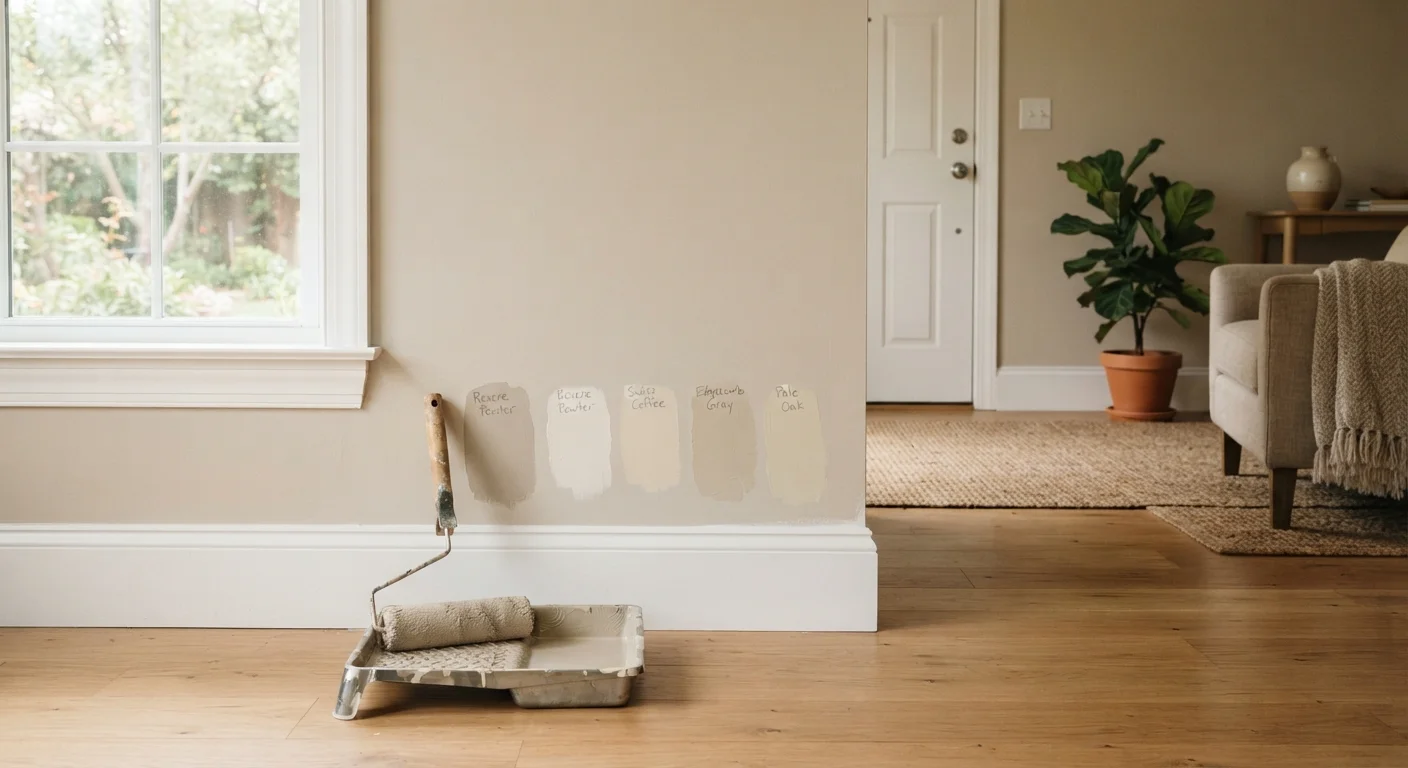
Photo: FaqsDrive.com | Smart Way To Search editorial
—— In This Article
Why Paint Finish Matters More Than You Think
Most homeowners spend hours picking the perfect color — and then grab whatever finish is on the shelf. That's a mistake. The sheen level of a paint determines how much light it reflects, how easily it cleans, and how forgiving it is on imperfect walls. Choosing the wrong finish can mean a beautiful color that looks flat in the wrong room or walls that scuff and stain within months.
Paint finishes range from completely flat (no shine) to high-gloss (mirror-like). The more sheen a paint has, the harder and more washable its surface generally becomes — but also the more it reveals bumps, patches, and imperfections in the wall beneath it. Understanding this tradeoff is the key to making a smart choice for every room in your home.
| Finish range (low to high sheen) | Flat → Matte → Eggshell → Satin → Semi-gloss → Gloss |
| Most washable finish | Gloss and semi-gloss |
| Best for hiding wall imperfections | Flat/matte |
| Most versatile interior finish | Eggshell |
| Standard finish for trim and doors | Semi-gloss |
| Typical full cure time after application | 2–4 weeks |
The Four Main Finish Types
Here's a straightforward breakdown of each finish and where it performs best.
Matte (Flat)
Matte finish has no perceptible shine. It absorbs light rather than reflecting it, which gives walls a rich, velvety look and does an excellent job hiding surface imperfections like drywall patches or small dings. This makes it a popular choice for ceilings and low-traffic areas like adult bedrooms and formal living rooms. The tradeoff: matte paint is the least washable of all finishes. Rubbing a scuff too hard can remove paint along with the mark.
Eggshell
Named for the very subtle sheen of an eggshell, this finish has just a hint of glow — enough to make colors appear slightly more vibrant than matte while still hiding most wall flaws. Eggshell cleans more easily than flat paint, making it one of the most versatile interior finishes. It works well in living rooms, dining rooms, hallways, and bedrooms where light foot traffic meets moderate cleaning needs.
Sheen
The amount of light a paint surface reflects after drying. Higher sheen means more shine and generally greater durability and washability.
Matte finish
A paint finish with no perceptible shine that absorbs light. It hides wall imperfections well but is the least resistant to scrubbing and staining.
Eggshell finish
A low-sheen paint finish with a subtle, soft glow similar to the surface of an eggshell. It balances a clean appearance with moderate washability.
Satin finish
A mid-range paint finish with a smooth, velvety sheen. It resists moisture and repeated cleaning, making it well-suited for higher-traffic and humid rooms.
Semi-gloss finish
A noticeably shiny and highly durable paint finish most commonly used on trim, doors, and cabinetry where frequent contact and cleaning are expected.
Primer
A preparatory base coat applied to walls before paint. It improves adhesion, evens out surface porosity, and helps the topcoat achieve a consistent sheen.
Satin
Satin finish has a smooth, soft glow — think of it as the step between eggshell and semi-gloss. It stands up well to moisture and repeated wiping, which makes it a strong performer in kitchens, bathrooms, kids' rooms, and laundry rooms. Satin does show more roller texture and brush marks than eggshell, so careful application matters. Its durability makes it worth the extra attention during painting.
Semi-Gloss and Gloss
Semi-gloss is noticeably shiny and highly durable — the standard choice for trim, doors, window frames, and cabinetry. It holds up to frequent cleaning and moisture without degrading. High-gloss takes this further, delivering a near-lacquer appearance that is exceptionally hard-wearing. High-gloss is typically used on accent trim or furniture rather than full walls, as it makes every surface flaw visible and can feel visually overwhelming in large areas.
Matching Finish to Room: A Practical Guide
Use this general framework when selecting a finish for each space in your home:
- Ceilings: Flat/matte — minimizes light reflection and hides imperfections.
- Bedrooms (adult): Matte or eggshell — low traffic, easier touch-ups.
- Living and dining rooms: Eggshell — durable enough for regular use, still looks refined.
- Hallways and entryways: Eggshell or satin — handles scuffs and light cleaning.
- Kitchens and bathrooms: Satin or semi-gloss — moisture-resistant and washable.
- Kids' rooms: Satin — holds up to frequent cleaning without sacrificing too much appearance.
- Trim, doors, and cabinets: Semi-gloss or gloss — built for durability and repeated contact.
Just as surface durability guides decisions when comparing flooring options — see our article on how laminate and hardwood hold up over time — the same principle applies to paint: match the material to the demands of the space.
Tips for a Cleaner, More Consistent Result
Regardless of the finish you choose, application quality significantly affects the final look. Keep these practical points in mind before you start:
- Prep the wall first. Higher-sheen finishes amplify imperfections. Fill holes, sand rough patches, and prime new drywall or drastic color changes.
- Use the right applicator. A low-nap roller (¼ to ⅜ inch) works well for smooth surfaces. Thicker nap is better for textured walls.
- Apply thin, even coats. Two thinner coats almost always look better than one heavy coat, and they dry more evenly.
- Allow full cure time. Paint can feel dry to the touch within hours but may take two to four weeks to fully harden. Avoid scrubbing fresh paint walls during this period.
- Keep a small amount of leftover paint. Touch-ups are easier and less visible when you use the same batch of paint — sheen and color can vary slightly between cans.

Home & Garden Editorial Team
Home & Garden Editorial Team is the collective byline for our editorial team and contributor network. Articles published under this byline or an editorial pen name are researched, written, and reviewed according to our editorial standards for clarity, consistency, and independence before publication.
View author profile