
Trip Planning Mistakes That Quietly Drain Your Travel Budget
Small oversights in the planning phase can snowball into big expenses. Learn which common errors catch budget travelers off guard.
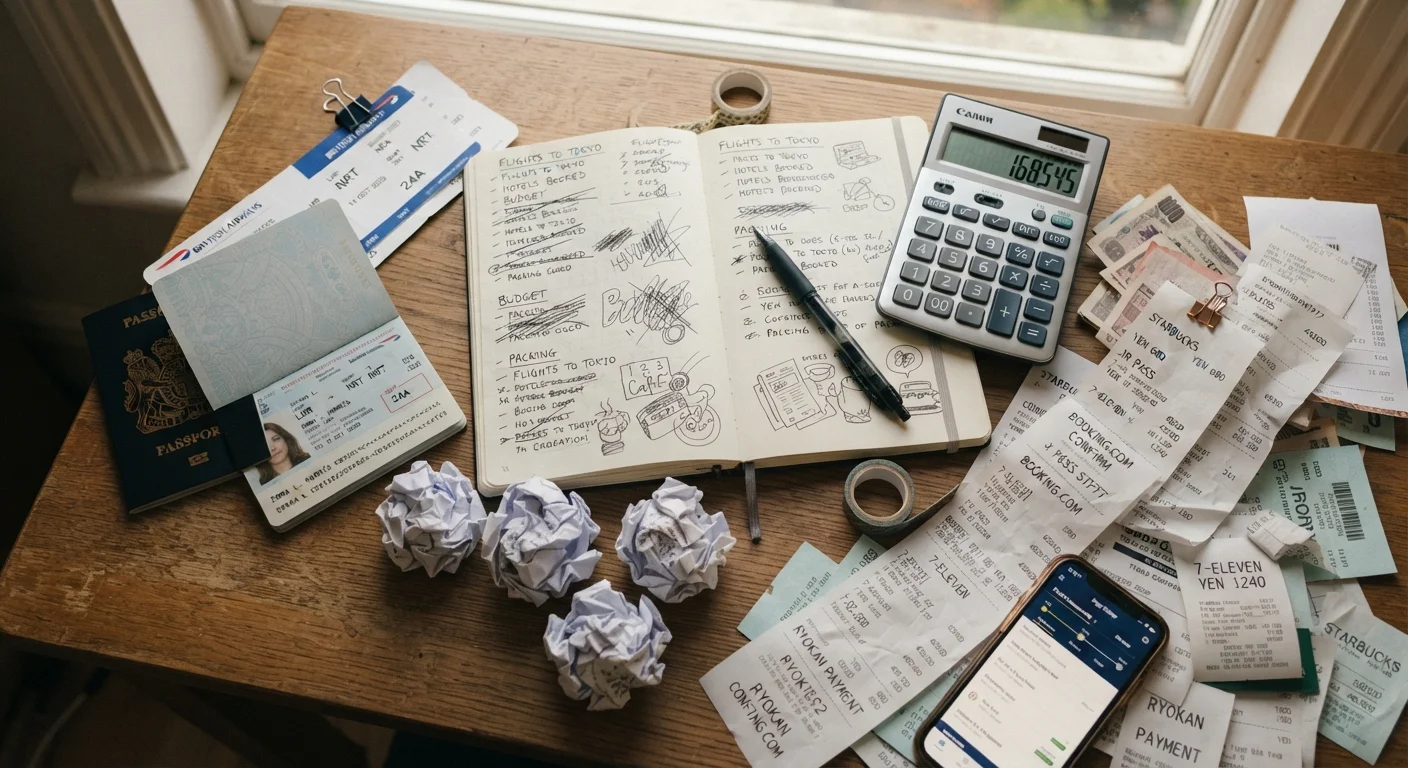
Photo: FaqsDrive.com | Smart Way To Search editorial
—— In This Article
Key Takeaways
- Booking flights without checking total fees often results in paying far more than the advertised price.
- Skipping a written budget before departure is one of the most common reasons travelers overspend.
- Traveling during peak season without considering shoulder season alternatives can double accommodation costs.
- Ignoring currency exchange rates and foreign transaction fees drains budgets quietly and consistently.
- Over-scheduling activities leaves no buffer for unexpected costs or spontaneous, often cheaper, experiences.
Why Budget Leaks Start Before You Even Pack
The biggest threat to a travel budget usually isn't an emergency or a splurge — it's the accumulation of small, avoidable decisions made during the planning phase. Most travelers focus energy on choosing a destination and booking the headline items, then discover mid-trip that dozens of smaller costs were never accounted for.
Understanding where these leaks typically originate gives you a real advantage. The mistakes below aren't rare edge cases — they're the patterns that catch everyday travelers off guard, often repeatedly. Working through our trip planning hub alongside this guide can help you build a process that closes most of these gaps before departure.
Hidden Fees Can Dwarf the Base Price
Advertised flight and hotel prices rarely reflect what you'll actually pay. Resort fees, baggage charges, and seat selection costs can add 30–50% to a base fare. Always calculate the total out-of-pocket cost before confirming any booking — our guide on hidden travel fees breaks down the most common surprises.
The Most Common Trip Planning Mistakes That Cost You Money
Each of the errors below tends to compound. A traveler who books on advertised price alone, skips a written budget, and travels peak season could easily spend 40–60% more than anticipated — not from one catastrophic decision, but from several small ones layered together.
Booking based on the advertised price without reading the full fee breakdown.
Why it happens: Low base fares are designed to catch attention, and most travelers click through without scrolling to see baggage, seat, and service charges added at checkout.
Traveling during peak season without exploring shoulder season alternatives.
Why it happens: Most people plan vacations around school breaks and major holidays by default, never realizing that traveling just a few weeks earlier or later can slash costs dramatically.
Ignoring foreign transaction fees and unfavorable currency exchange rates.
Why it happens: Travelers assume their regular debit or credit card works fine abroad without checking whether it charges foreign transaction fees, which typically run 1–3% per purchase.
Failing to build a written, itemized trip budget before departure.
Why it happens: Trip planning often focuses on the exciting parts — destinations and activities — while the less glamorous task of mapping out every expense category gets pushed aside.
Over-scheduling the itinerary, leaving no room for flexible or spontaneous spending.
Why it happens: First-time planners often try to fit in every attraction they researched, creating a packed schedule that paradoxically leads to rushed decisions — and expensive last-minute alternatives.
Underestimating daily food and drink costs while traveling.
Why it happens: Travelers often account for one or two nicer meals but forget that every coffee, snack, and casual lunch adds up — especially in tourist-heavy areas where prices are inflated.
~30%
Average cost underestimation by first-time trip planners
Travel industry research consistently finds that first-time planners underestimate total trip costs by roughly 25–35%, primarily due to overlooked fees and daily incidentals.
3x
Airport food and drink markup vs. city average
Consumer price comparisons show airport food and beverage vendors typically charge two to three times the prices found at comparable venues just outside the terminal.
If some of these patterns feel familiar from other areas of spending, that's not coincidental. The same planning gaps that affect travel budgets often show up in everyday finances — something explored in depth in why financial mistakes are so common.
Turning Awareness Into a Smarter Pre-Trip Routine
Recognizing these mistakes is only useful if it changes how you plan. The good news: most of these fixes take less than an hour of preparation and can realistically save hundreds of dollars per trip.
Start with a written budget covering every expense category. Then verify all-in pricing before any booking is confirmed. Check your card's foreign fee policy if traveling internationally. And build at least one flexible block into your itinerary each day.
Don't Skip the Pre-Departure Budget Review
Many travelers set a rough number in their head and assume it'll hold. Without a written, itemized budget covering flights, lodging, food, transport, and activities, it's nearly impossible to track where money is actually going. A quick review using a realistic travel budget framework before you leave can prevent a stressful financial surprise on return.
For travelers who want to squeeze more value from shorter getaways, stretching a long weekend without overspending applies many of these same principles to 3- and 4-day trips specifically. And if you're still sorting fact from fiction on what budget travel actually requires, common trip planning myths is worth a read before your next booking session.

Travel & Trips Editorial Team
Travel & Trips Editorial Team is the collective byline for our editorial team and contributor network. Articles published under this byline or an editorial pen name are researched, written, and reviewed according to our editorial standards for clarity, consistency, and independence before publication.
View author profile