
Why Good Sleep Hygiene Is Harder Than It Sounds
Most people know the sleep hygiene rules. Far fewer actually follow them. Here's why that gap exists and how to close it in practical terms.
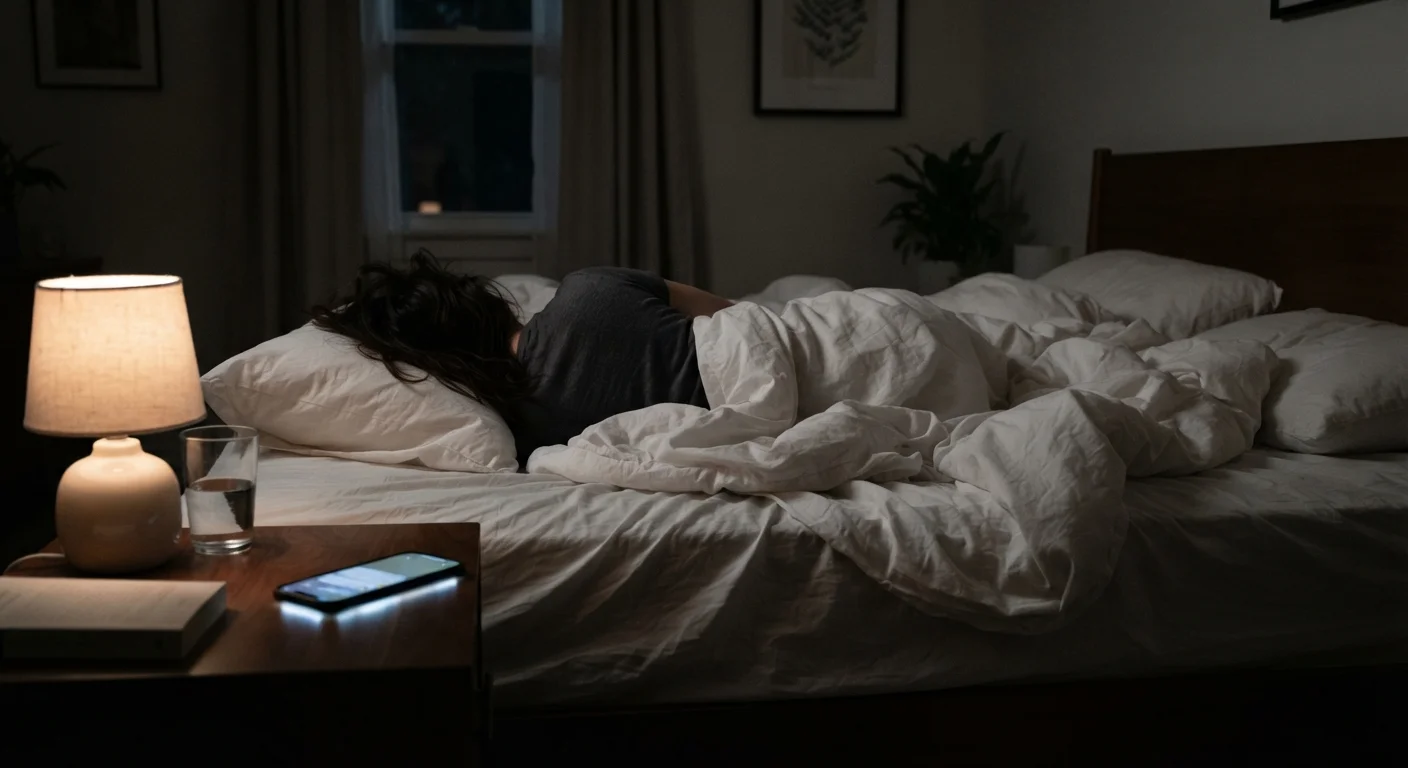
Photo: FaqsDrive.com | Smart Way To Search editorial
—— In This Article
Key Takeaways
- Most people know sleep hygiene basics but struggle to apply them consistently in real life.
- Behavioral and psychological habits - not just environment - are the biggest barriers to better sleep.
- Small, realistic adjustments tend to work better than overhauling your entire nighttime routine at once.
- Chronic sleep deprivation is linked to meaningful risks for both mental and physical health.
- If sleep problems persist despite good habits, consulting a healthcare professional is an important step.
The Gap Between Knowing and Doing
Ask almost anyone what helps with sleep and they'll rattle off the familiar list: no screens before bed, keep a consistent schedule, cut the caffeine. The information isn't hard to find. What's genuinely hard is following through - night after night, in a real life full of stress, late obligations, and glowing devices.
That gap between knowing and doing is the actual problem. Sleep hygiene isn't complicated in theory. In practice, it bumps up against deeply ingrained habits, biological drives, and a cultural script that often treats tiredness as a badge of productivity. Understanding why the common mistakes happen is what makes it possible to actually address them - not with shame, but with practical, honest adjustments.
This matters more than many people realize. Consistently falling short on sleep has real consequences for mood, cognitive function, metabolism, and long-term health. Sleep is also deeply connected to other wellness pillars - the same way small daily habits can quietly erode good nutrition, small nightly choices can slowly undermine the rest you're trying to get.
1 in 3
U.S. adults getting insufficient sleep
According to the CDC, more than a third of American adults report regularly sleeping less than the recommended seven hours per night.
~5-6 hrs
Caffeine half-life in most adults
Research on caffeine metabolism suggests that for most healthy adults, roughly half of a dose consumed in the afternoon remains in the bloodstream at bedtime.
The Most Common Sleep Hygiene Mistakes - and How to Fix Them
Below are the patterns that most reliably get in the way of better sleep, along with honest context for why they're so easy to fall into. None of these are moral failures - they're human responses to modern pressures and habits that have compounded over time.
Treating sleep hygiene as an all-or-nothing commitment rather than a flexible practice.
Why it happens: Health guidance often reads like a checklist, which makes partial compliance feel like failure. When one rule is broken, many people abandon the entire effort for the night.
Using the bedroom for work, scrolling, or other stimulating activities that train the brain to stay alert there.
Why it happens: Modern life blurs the boundary between rest spaces and productivity spaces. Laptops in bed and late-night phone use feel harmless in the moment.
Ignoring how caffeine and alcohol timing affects sleep architecture.
Why it happens: Caffeine's effects feel subtle after years of use, and alcohol is widely misunderstood as a sleep aid because it initially causes drowsiness.
Compensating for poor weeknight sleep with very long weekend lie-ins, sometimes called "social jet lag."
Why it happens: It feels logical to repay a sleep debt on weekends, and the short-term relief is real. But this pattern shifts your internal body clock in ways that make Monday mornings feel worse.
Trying to force sleep when anxious or wired, which amplifies the frustration and wakefulness.
Why it happens: The harder you try to fall asleep, the more your brain treats it as a task - activating attention and arousal rather than relaxing them.
Screen Time Has a Biological Effect
The blue light emitted by phones, tablets, and laptops suppresses melatonin - the hormone your body uses to signal that it's time to sleep. This isn't a minor inconvenience; research suggests even brief evening screen exposure can delay sleep onset by up to an hour. Dark mode and night-shift settings help but don't eliminate the effect.
The good news is that sleep habits respond relatively well to consistent, modest effort. You don't need a perfect environment or a complete lifestyle overhaul. Small, repeated actions tend to move the needle more than dramatic short-term changes - and the same holds true for sleep.
Sleep Problems Deserve Professional Attention
If you've consistently struggled to fall or stay asleep for several weeks despite making lifestyle adjustments, it's worth speaking with a qualified healthcare provider. Persistent sleep difficulties can be connected to conditions like insomnia disorder, sleep apnea, anxiety, or other health factors that benefit from professional evaluation - not just habit tweaks.
This article is for general informational and educational purposes only and is not a substitute for professional medical advice, diagnosis, or treatment. If you have concerns about your sleep or health, please consult a qualified healthcare provider.

Health & Wellness Editorial Team
Health & Wellness Editorial Team is the collective byline for our editorial team and contributor network. Articles published under this byline or an editorial pen name are researched, written, and reviewed according to our editorial standards for clarity, consistency, and independence before publication.
View author profile