
Breathing Exercises That Calm the Nervous System
Controlled breathing can shift your body out of a stress response. Learn several evidence-informed techniques you can use anywhere, anytime.
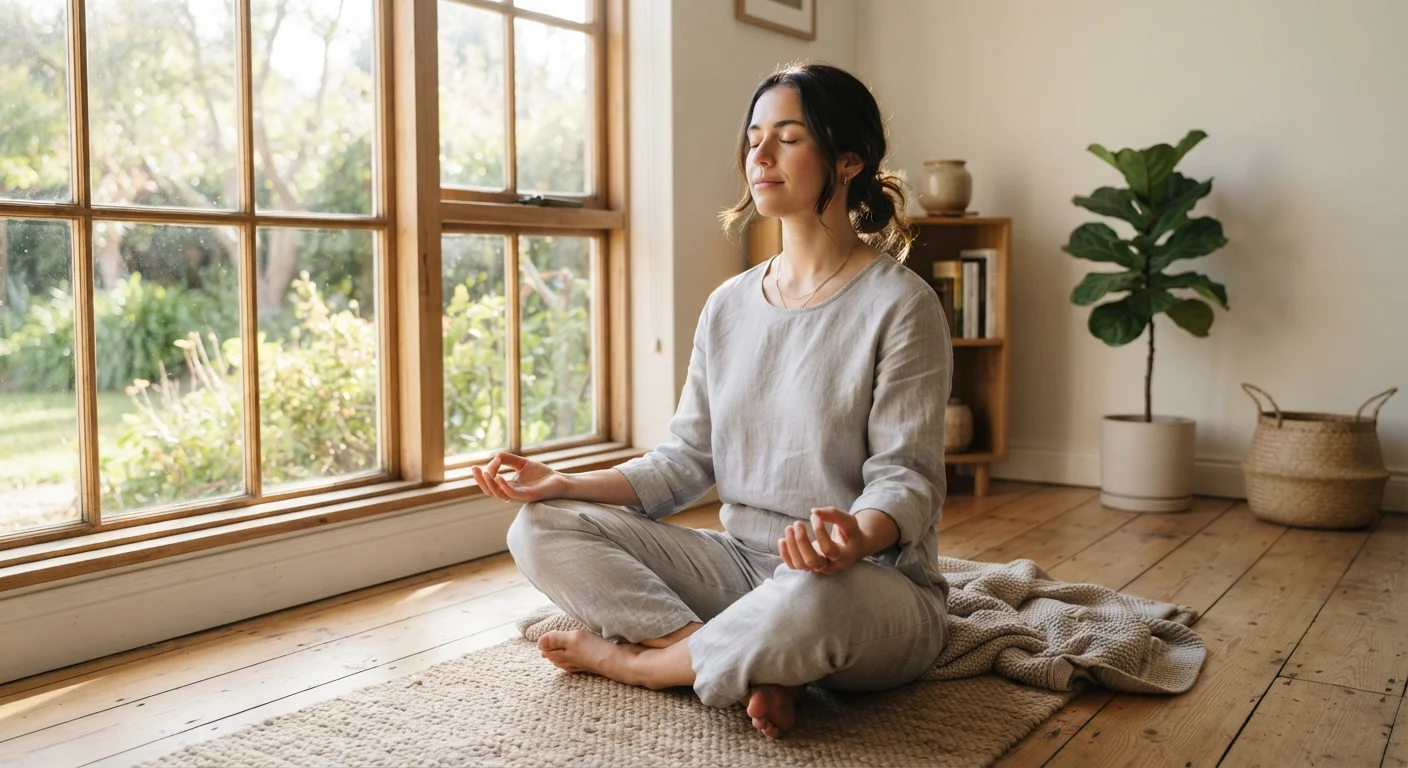
Photo: FaqsDrive.com | Smart Way To Search editorial
—— In This Article
Key Takeaways
- Controlled breathing activates the parasympathetic nervous system, helping reduce physical stress responses.
- Several evidence-informed techniques - like box breathing and diaphragmatic breathing - can be practiced anywhere.
- Consistency matters more than duration; even a few minutes daily can build meaningful resilience over time.
- Breathing exercises are a complement to, not a replacement for, professional mental health care when needed.
Why Your Breath Is a Gateway to Calm
When stress hits, your body's sympathetic nervous system kicks into high gear - heart rate climbs, muscles tighten, and breathing becomes shallow and rapid. This "fight-or-flight" response is useful in genuine emergencies, but for everyday stressors, it can feel overwhelming and hard to switch off.
Here's the good news: breathing is one of the few automatic bodily functions you can consciously control, and research suggests that slowing and deepening your breath can stimulate the vagus nerve, nudging your body toward its rest-and-digest state. According to the American Psychological Association and a growing body of peer-reviewed research, intentional breathing practices are associated with lower perceived stress, reduced heart rate, and improved mood.
The techniques below are general wellness practices - not medical treatments. If you're managing anxiety, panic disorder, or another health condition, please work with a qualified healthcare professional to find what's right for you. For a broader look at stress-reduction options, see our overview of stress management approaches.
Diaphragmatic (Belly) Breathing
Also called abdominal breathing, this is the foundation most other techniques build on. Many of us default to shallow chest breathing, especially under stress, which can perpetuate feelings of tension.
To practice: place one hand on your chest and one on your belly. Breathe in slowly through your nose, aiming to expand your belly - not your chest - outward. Exhale slowly through your mouth. The hand on your belly should rise and fall noticeably more than the one on your chest.
Research published in journals covering respiratory physiology suggests diaphragmatic breathing may reduce cortisol levels and improve heart rate variability, a marker of nervous system flexibility. Even five to ten slow belly breaths can help interrupt a stress spiral.
Belly breathing shifts the body from shallow, stress-driven breathing to a slower, calmer rhythm.
Box Breathing (4-4-4-4)
Box breathing is a structured technique used in high-stress professions - including military and emergency services - to regain focus and composure quickly. Its symmetrical pattern gives the busy mind something concrete to follow.
The pattern: inhale for a count of four, hold for four, exhale for four, hold again for four. Repeat the cycle three to five times. The count is a guide, not a rule - if four feels too long or short, adjust to whatever is comfortable for you.
The deliberate pauses and equal timing help slow the breathing rate and give the nervous system a chance to recalibrate. Many people find the structured counting especially helpful when anxiety makes it hard to simply "breathe deeply."
Box breathing's equal rhythm gives an anxious mind a simple, grounding anchor.
4-7-8 Breathing
Developed within integrative medicine circles, the 4-7-8 pattern emphasizes an extended exhale, which is thought to enhance the parasympathetic response more strongly than a matched inhale-exhale ratio.
The pattern: inhale quietly through the nose for four counts, hold for seven counts, then exhale completely through the mouth for eight counts. The extended exhale is the heart of the technique.
It's worth noting that while anecdotal reports and some preliminary research are promising, large-scale clinical trials on this specific pattern are limited. Think of it as a tool to explore, not a guaranteed remedy - and skip the breath-hold if you have any respiratory conditions, and check with your doctor first.
A longer exhale than inhale may signal the nervous system to downshift more effectively.
Alternate Nostril Breathing (Nadi Shodhana)
Rooted in yogic tradition, alternate nostril breathing has gained attention from researchers studying its effects on autonomic nervous system balance. Small studies suggest it may support cardiovascular and respiratory measures of calm, though more research is needed.
To practice: use your right hand to close your right nostril with your thumb, inhale through the left nostril, then close the left with your ring finger, release the thumb, and exhale through the right. Inhale through the right, switch again, and exhale through the left. That's one cycle.
The technique requires enough concentration to gently distract a racing mind, which many people find helpful on its own. It's best practiced seated comfortably in a calm environment.
Alternate nostril breathing may help balance nervous system activity while engaging focused attention.
Resonance (Coherent) Breathing
Resonance breathing, sometimes called coherent breathing, involves breathing at a rate of approximately five to six breaths per minute - slower than most people's default. This rhythm is associated in research with maximizing heart rate variability, a physiological indicator of adaptability and nervous system resilience.
A simple approach: inhale for five to six counts, exhale for five to six counts, and repeat without holding. No complicated ratios - just a slow, steady, even rhythm. Apps and audio guides set to this pace are widely available if you find it helpful to follow a cue.
A 2017 review in the journal Frontiers in Human Neuroscience highlighted coherent breathing as among the more evidence-supported breathing interventions for stress and emotional regulation, though researchers note that individual responses vary.
Slowing to about five breaths per minute may maximize your nervous system's natural calming response.
Pursed-Lip Breathing
Often taught in pulmonary rehabilitation settings, pursed-lip breathing is accessible to nearly everyone and works by slowing the exhalation, which helps keep airways open longer and encourages a natural drop in breathing rate.
To practice: inhale slowly through your nose for about two counts, then exhale gently through pursed lips - as if you were blowing out a candle - for about four counts. The ratio of a longer exhale to a shorter inhale is what does the calming work.
For people who feel their breath is easiest to work with, this is an excellent starting point before exploring more structured techniques. It's also one of the simplest to use discreetly in public situations.
Pursed-lip breathing is one of the most beginner-friendly ways to slow your exhale and ease tension.
Building a Simple, Sustainable Practice
None of these techniques require special equipment, a gym membership, or a quiet meditation room. You can try them at your desk, in your car before a difficult meeting, or lying in bed when sleep won't come. The key is gentle experimentation - notice which rhythm feels most natural for your body and start there.
Start Small and Stay Consistent
You don't need to practice every technique - pick one that resonates and try it for just two to three minutes a day. Consistency over time tends to yield more benefit than occasional longer sessions. Setting a gentle reminder at a predictable time, like before a morning coffee or after lunch, can help make the habit stick without adding pressure.
If you ever feel lightheaded or uncomfortable while practicing any breathing exercise, return to your normal breath immediately. Dizziness can sometimes occur when breathing patterns change quickly, especially for beginners. Start slowly, and remember that this is general information - always consult a healthcare professional if you have cardiovascular, respiratory, or anxiety-related concerns before starting a new practice.
This article is for general informational and educational purposes only and is not a substitute for professional medical advice, diagnosis, or treatment. Always consult a qualified healthcare provider with questions you may have about your health.

Health & Wellness Editorial Team
Health & Wellness Editorial Team is the collective byline for our editorial team and contributor network. Articles published under this byline or an editorial pen name are researched, written, and reviewed according to our editorial standards for clarity, consistency, and independence before publication.
View author profile