
The Case for Short Workouts: What 10 to 20 Minutes of Exercise Can Do
You don't need an hour at the gym to benefit from exercise. Here's what shorter movement sessions can realistically accomplish, according to exercise research.
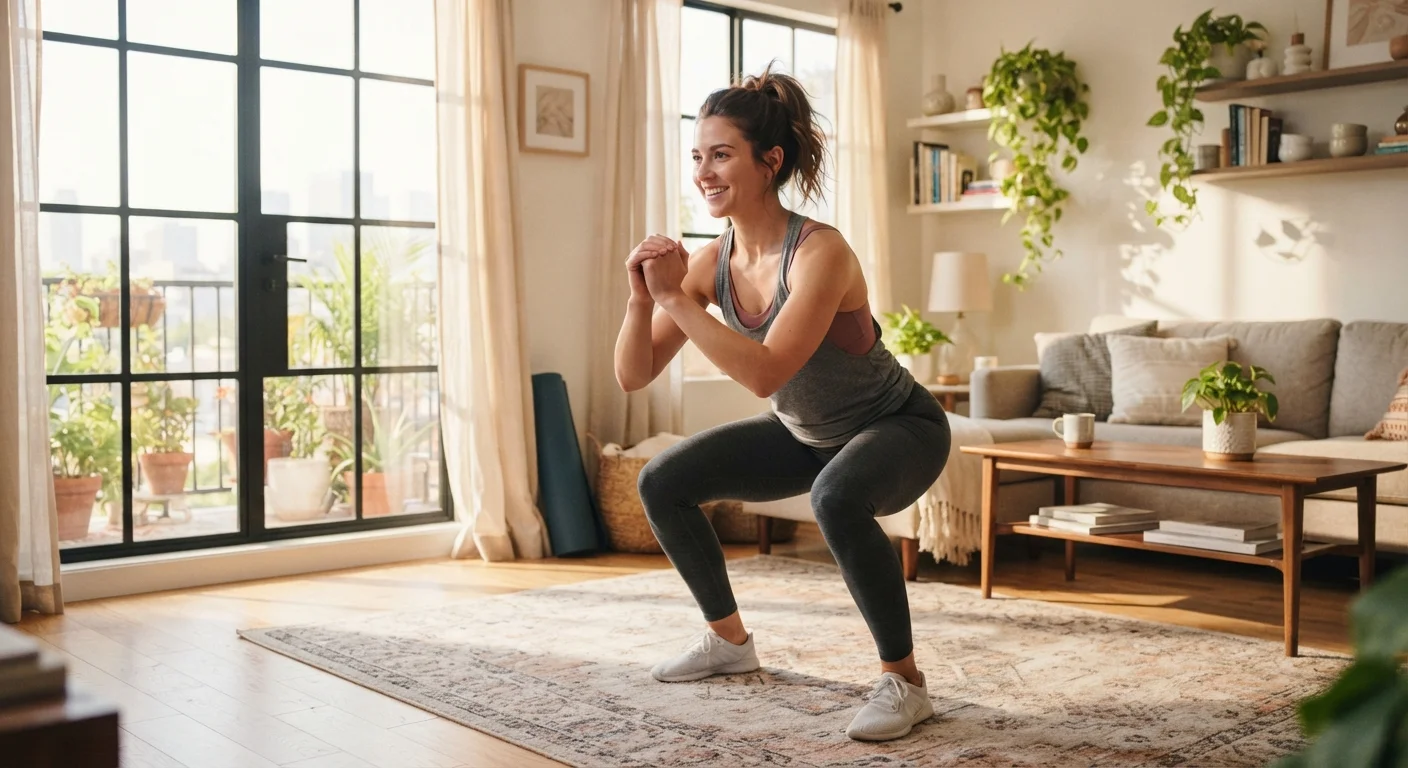
Photo: FaqsDrive.com | Smart Way To Search editorial
—— In This Article
Key Takeaways
- Short workouts of 10-20 minutes can produce real cardiovascular, metabolic, and mood benefits.
- Consistency over duration is the most important factor for long-term fitness gains.
- Brief movement sessions count toward the physical activity guidelines recommended by major health organizations.
- High-intensity or moderate-effort short sessions can be more effective than long, low-effort workouts.
- Short workouts lower the most common barrier to exercise: perceived lack of time.
Why Duration Isn't the Whole Story
For many people, the biggest hurdle to exercising isn't motivation - it's time. The belief that a workout only "counts" if it lasts an hour or more is one of the most persistent barriers to getting started. But exercise science tells a more nuanced story.
Physical activity guidelines from the U.S. Department of Health and Human Services recognize that movement can be accumulated throughout the day in shorter bouts. What matters most is total weekly activity volume and relative intensity - not whether it happened in one long block. This understanding opens the door to a genuinely more flexible approach to fitness, especially for people with demanding schedules or those just beginning their movement journey.
If you've assumed your 15-minute lunchtime walk or a quick morning routine doesn't "count," it's worth revisiting that assumption - because the evidence suggests otherwise. You might also find it helpful to explore exercise myths that keep beginners stuck for a broader look at misconceptions that can derail progress before it starts.
What the Research Actually Shows
Studies examining short exercise bouts have produced some encouraging findings. Research published in peer-reviewed journals has found that brief sessions of moderate-to-vigorous exercise can measurably improve blood pressure, insulin sensitivity, and mood - sometimes within a single session.
One frequently cited area of investigation involves "exercise snacks" - very short bouts of vigorous activity (as brief as one to three minutes) spread across the day. Early studies suggest these micro-sessions, when performed consistently, may improve cardiorespiratory fitness and blood sugar regulation in sedentary adults.
150 min
Weekly moderate activity recommended by U.S. health guidelines
The U.S. Department of Health and Human Services Physical Activity Guidelines for Americans state this target can be met through multiple shorter sessions accumulated throughout the week.
~25%
U.S. adults meeting aerobic activity recommendations
According to CDC data, only about one in four American adults meets the recommended aerobic physical activity guidelines, highlighting how significant the time-barrier problem truly is.
11 min/day
Activity linked to reduced mortality risk in large study
A 2023 analysis published in the British Journal of Sports Medicine found that just 11 minutes of moderate-intensity activity per day was associated with a meaningfully lower risk of early death and cardiovascular disease.
It's important to note that most of this research is still evolving. While the general direction is promising, longer and more robust studies are needed before strong clinical conclusions can be drawn. What we can say confidently is that short workouts are not a waste of time - and for many beginners, they may be the most sustainable entry point into regular physical activity.
The Real Benefit: Building the Habit
Beyond any single session's physiological impact, perhaps the most powerful argument for short workouts is behavioral. Consistency is the single strongest predictor of long-term fitness outcomes - and short sessions are dramatically easier to stick with than long ones.
A 10-minute commitment feels manageable on a tired Tuesday evening. It fits before a morning meeting. It doesn't require a bag, a commute, or a two-hour window. And once the habit of movement is established - even briefly - it tends to grow naturally over time.
Start Smaller Than You Think You Should
If 10 minutes feels like a stretch right now, start with five - genuinely. Removing friction from your first step is more important than intensity. Once movement becomes a daily anchor in your routine, building from there happens more naturally than most beginners expect.
This is particularly valuable for people whose schedules shift unpredictably. If your work hours, caregiving duties, or energy levels fluctuate week to week, shorter workouts provide the flexibility to move consistently without requiring a rigid schedule. For practical strategies around this, see our guide on building a weekly movement routine when your schedule is unpredictable.
How to Make Short Workouts Work for You
The format of your short session matters more than you might expect. A leisurely 10-minute stroll and a brisk 10-minute interval walk are both movement, but they produce different physiological responses. Higher-effort sessions - where you're breathing harder and feel warm - tend to generate stronger cardiovascular and metabolic benefits per minute.
That said, intensity should match your current fitness level. Pushing too hard too soon increases injury risk. A sustainable approach might look like:
- Starting with brisk walking or light bodyweight circuits if you're new to exercise
- Gradually increasing effort over several weeks as your fitness improves
- Mixing session types - some higher-intensity days, some gentler ones - to balance stimulus and recovery
Don't underestimate the value of walking as a standalone option. It's low-impact, accessible, and well-researched. Our article on walking for fitness breaks down exactly what regular walking can accomplish.
Also consider how you warm up and cool down within a short session. Even brief preparation matters - you can learn more in our overview of stretching before and after a workout.
This article is for general informational purposes only and is not a substitute for professional medical advice. Consult a qualified healthcare provider before beginning any new exercise program, especially if you have existing health conditions.
Frequently Asked Questions

Health & Wellness Editorial Team
Health & Wellness Editorial Team is the collective byline for our editorial team and contributor network. Articles published under this byline or an editorial pen name are researched, written, and reviewed according to our editorial standards for clarity, consistency, and independence before publication.
View author profile