
Low-Impact Exercise Options for People With Joint Pain
Joint pain doesn't have to sideline you. Learn which forms of low-impact movement are generally considered gentler on knees, hips, and ankles.
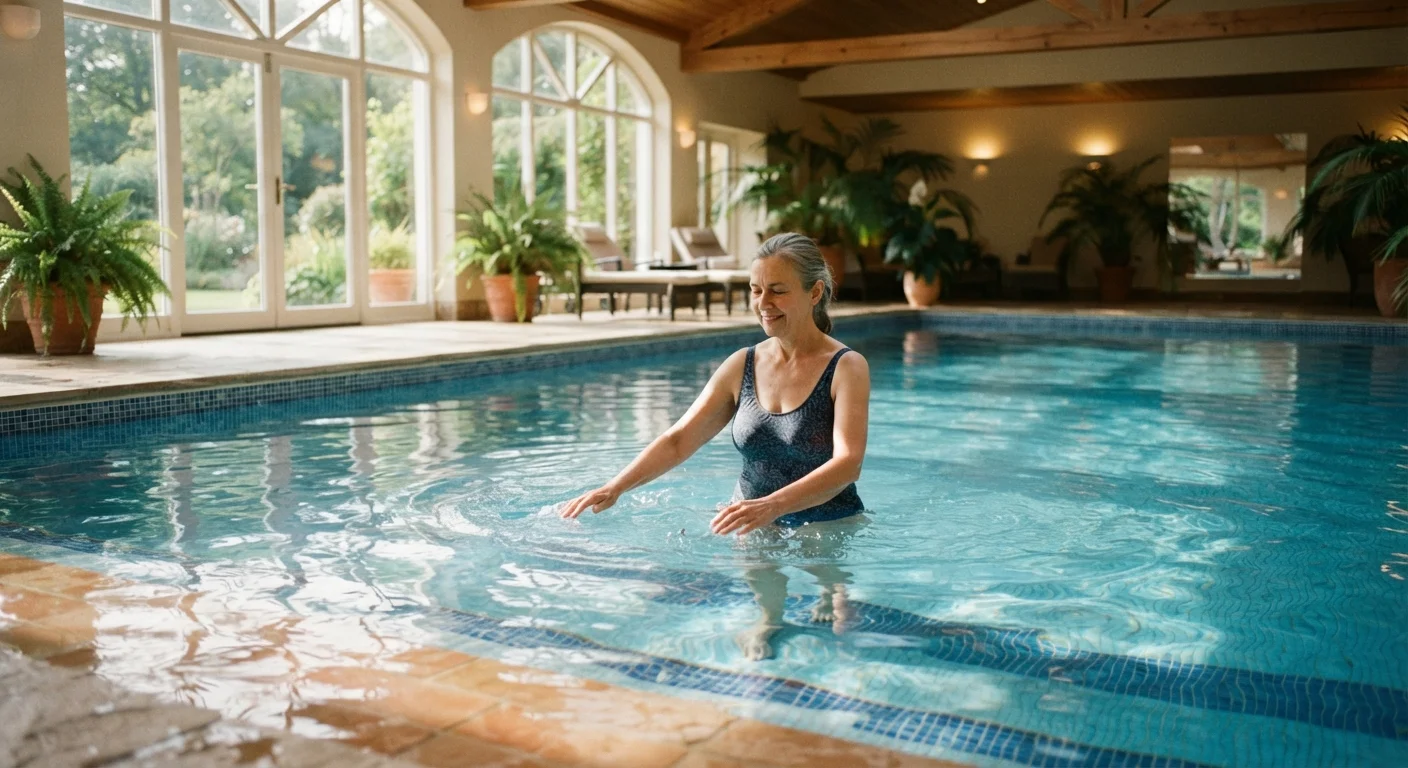
Photo: FaqsDrive.com | Smart Way To Search editorial
—— In This Article
Key Takeaways
- Low-impact exercise reduces stress on joints while still delivering meaningful cardiovascular and strength benefits.
- Options like swimming, cycling, and tai chi are widely considered accessible starting points for people managing joint pain.
- Consistency matters more than intensity - shorter, regular sessions can yield better long-term results than occasional hard workouts.
- Always consult a qualified healthcare professional before starting a new exercise program, especially with an existing joint condition.
Movement Is Still Possible - and Often Beneficial
Joint pain - whether from osteoarthritis, past injury, inflammation, or general wear - can make the idea of exercise feel intimidating, even counterproductive. But staying sedentary often isn't the answer either. Many healthcare providers and physical therapists encourage continued movement because the muscles around joints provide crucial support, and gentle activity can help maintain that strength and flexibility.
The key is choosing movement that works with your body rather than against it. Low-impact exercise is broadly defined as activity that keeps at least one foot on the ground or a surface at all times, or that uses a medium like water to reduce gravitational load. That definition covers a surprisingly wide and enjoyable range of options.
This Is General Information, Not Medical Advice
The exercises described here are general examples of low-impact movement and are not prescriptions or treatment plans. Joint pain has many causes, and what works well for one person may not be appropriate for another. Please speak with a qualified healthcare professional - such as your doctor or a licensed physical therapist - before beginning any new exercise program, especially if you are managing a diagnosed condition.
Six Low-Impact Options Worth Exploring
Swimming and Water Aerobics
Water is one of the most forgiving environments for movement. Buoyancy reduces the effective weight your joints bear, meaning you can move through a full range of motion with significantly less impact on knees, hips, and ankles. Swimming laps, water walking, or a guided water aerobics class all tap into this benefit.
Research published by the Arthritis Foundation suggests that aquatic exercise can help improve joint flexibility and muscle strength for people managing arthritis. Many community recreation centers and YMCAs offer warm-water pool classes specifically designed for beginners or older adults - a great place to start if you're new to this kind of movement.
Buoyancy lets your joints move through their full range with far less impact.
Cycling (Stationary or Outdoor)
Whether on a stationary bike at home or a path-friendly bicycle outdoors, cycling keeps your feet moving in a smooth, circular motion that minimizes jarring forces on the knee joint. Unlike running, cycling involves no hard foot strikes against the ground, making it a popular recommendation among physical therapists for people rebuilding strength after knee or hip issues.
If you're just starting out, a recumbent stationary bike - where you sit in a reclined position with your legs in front of you - places even less strain on the lower back and hips than an upright bike. Adjust seat height so your knee has a slight bend at the bottom of each pedal stroke, which helps reduce unnecessary joint stress.
Cycling's smooth circular motion avoids the jarring ground impact that troubles many joints.
Walking at a Comfortable Pace
Walking often gets overlooked because it feels too simple, but the evidence behind it is genuinely compelling. It's accessible, free, and adaptable - you can go at whatever pace feels right for your body on a given day. For many people with mild-to-moderate joint discomfort, a brisk but comfortable walk on a flat, even surface is an excellent daily habit.
Supportive footwear makes a real difference here. Shoes with adequate cushioning and arch support help absorb shock before it reaches your knees and hips. Grass or packed dirt paths tend to be easier on joints than concrete. To learn more about what walking can do for overall health, see our guide to walking for fitness.
A comfortable walk on a forgiving surface is one of the most sustainable habits you can build.
Yoga and Gentle Stretching
Yoga emphasizes slow, controlled movement, breath awareness, and gradual flexibility - none of which require high joint loading. Styles like Hatha, Restorative, or Chair Yoga are particularly beginner-friendly and can be adapted for people with limited mobility or balance concerns. Many poses build strength in the muscles surrounding joints, which provides structural support and may help reduce pain over time.
Look for classes specifically labeled "gentle" or "chair yoga" if you're unsure where to begin, and let the instructor know about any joint concerns before the session starts. Props like blocks, straps, and bolsters make poses more accessible without sacrificing the benefit.
Building strength in the muscles around a joint can help reduce the load the joint itself must bear.
Tai Chi
Tai chi is a centuries-old Chinese practice combining slow, flowing movements with mindful breathing. It requires no equipment, can be done indoors or outdoors, and is performed entirely at a low-impact pace. Several studies, including research reviewed by the Centers for Disease Control and Prevention, have noted that tai chi may help improve balance and reduce fall risk - particularly relevant for older adults managing joint issues.
Community centers, senior centers, and even many libraries now offer beginner tai chi classes. Video-based instruction is also widely available for those who prefer to practice at home. For a broader look at how movement needs shift as we get older, our article on staying active as you age offers helpful context.
Tai chi's slow, flowing movements make it one of the most joint-friendly practices available.
Elliptical Training
Elliptical machines mimic a walking or running stride without the foot ever fully leaving a pedal surface, eliminating impact almost entirely. This makes them a popular choice in physical rehabilitation settings. Because your feet trace a smooth, elliptical path, there's no heel strike - the main source of joint stress during running.
Most elliptical machines also offer handlebars that allow you to push and pull with your arms, turning it into a full-body workout. Start at a low resistance and short duration, then gradually increase as your comfort and endurance build. If you're not sure whether elliptical training is appropriate for your specific condition, checking in with a physical therapist first is a sensible step.
Eliminating heel strike removes the most significant impact force that running places on joints.
Start Small and Listen to Your Body
When you're managing joint pain, a "no pain, no gain" mindset can do more harm than good. Begin with shorter sessions - even 10 to 15 minutes - and pay attention to how your joints feel during and after. Some mild muscle fatigue is normal; sharp or worsening joint pain is a signal to stop and reassess. Gradual progression is the key to building a sustainable routine.
Building a Routine That Lasts
No single exercise is right for everyone, and finding what you genuinely enjoy matters as much as any clinical benefit. A swim class you look forward to will serve you far better than a workout you dread and skip. If you're unsure where to begin, a physical therapist can assess your specific situation and suggest a personalized starting point - something general articles simply can't do.
Whatever you choose, consistency over time is what yields results. Even two or three short sessions per week represent meaningful, positive movement. As your body adapts, you can gradually expand duration, frequency, or variety - always staying attuned to how your joints respond.
This article is for general informational and educational purposes only and does not constitute medical advice. Always consult a qualified healthcare professional before starting, changing, or stopping any exercise program, particularly if you have an existing health condition.

Health & Wellness Editorial Team
Health & Wellness Editorial Team is the collective byline for our editorial team and contributor network. Articles published under this byline or an editorial pen name are researched, written, and reviewed according to our editorial standards for clarity, consistency, and independence before publication.
View author profile