
Before Your First Workout: A Practical Self-Check
A straightforward checklist covering what to consider — health signals, footwear, hydration, and more — before diving into a new exercise routine.
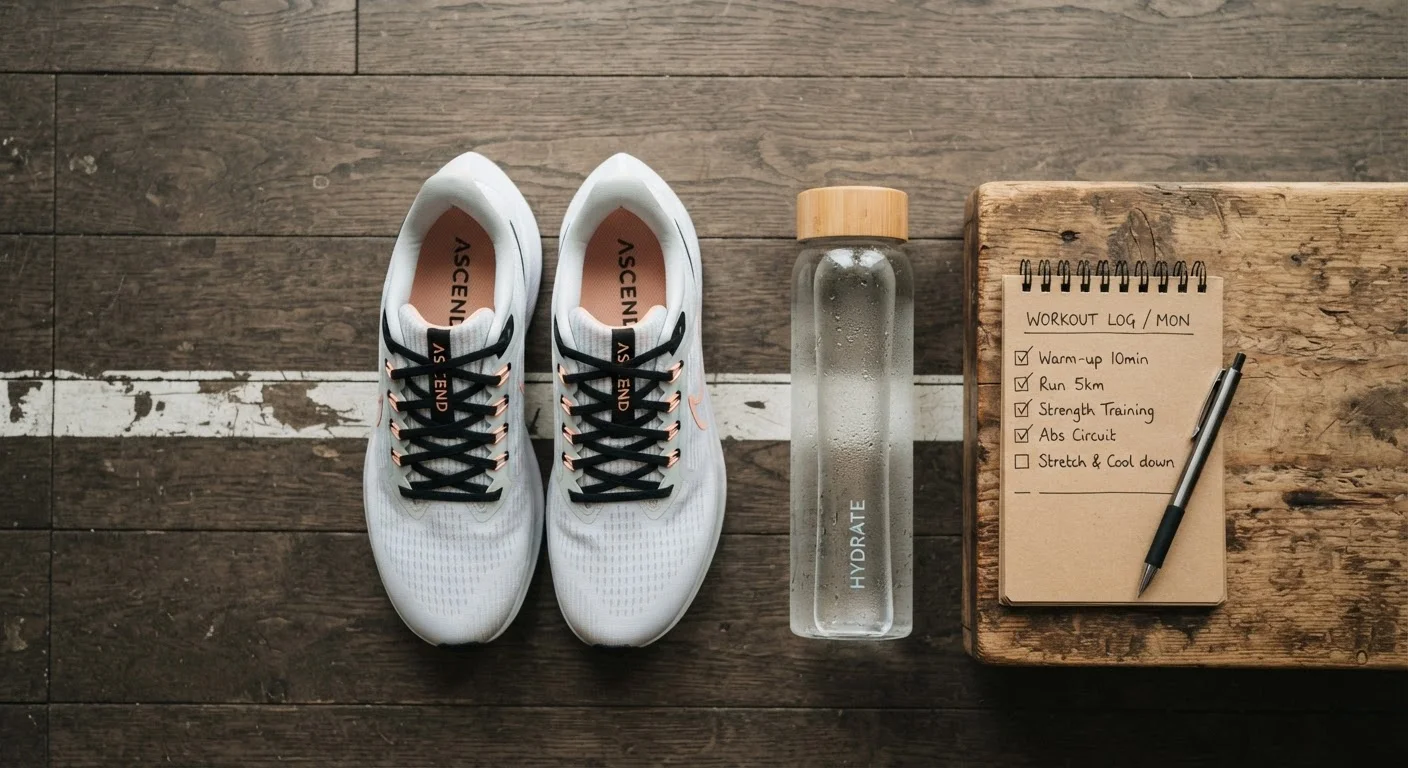
Photo: FaqsDrive.com | Smart Way To Search editorial
—— In This Article
Key Takeaways
- Checking in with a doctor before starting a new routine is especially important if you have a chronic condition or haven't been active in a while.
- The right footwear and comfortable clothing can meaningfully reduce your injury risk from day one.
- Hydration and a light pre-workout snack help your body perform and recover better.
- Setting a realistic, modest goal for your first session keeps momentum going instead of burning you out.
- Knowing basic warning signs to stop - like dizziness or chest pain - is a non-negotiable safety skill.
Why a Self-Check Matters Before You Begin
Starting a new exercise routine is one of the most positive steps you can take for your long-term wellbeing. But jumping in without any preparation - however enthusiastic you feel - is a common reason beginners get discouraged, injured, or both. A brief self-check before your first workout takes the guesswork out of starting and sets you up for a sustainable habit rather than a short sprint.
This checklist is organized into practical groups: health signals, gear, nutrition, mindset, and safety awareness. Work through each one at your own pace. If any health-related item raises a question for you personally, that's a signal to check in with a qualified healthcare professional before you begin - not a reason to feel discouraged.
Once you're ready to build beyond your first session, our guide to starting an exercise habit from zero walks you through building a sustainable routine step by step.
Health & Medical Readiness
Gear & Environment
Hydration & Nutrition
Goal-Setting & Mindset
Safety Awareness
A Few Things Worth Knowing Before You Start
Running through a checklist like this isn't about perfectionism - it's about removing unnecessary friction so exercise feels approachable, not intimidating. A few of these items, like checking your footwear or packing a water bottle, take under two minutes. Others, like scheduling a medical check-up, may take a little longer but pay off significantly over time.
Stop and Seek Help If You Feel These Symptoms
During any workout - especially your first - stop immediately if you experience chest pain or pressure, sudden dizziness, difficulty breathing beyond normal exertion, or sharp pain in a joint or muscle. These are signals your body needs attention, not to be pushed through. Call 911 or your local emergency number if symptoms are severe or don't resolve quickly after resting.
On the physical side, understanding how to stretch and warm up appropriately is often overlooked by first-timers. If you're unsure whether to stretch before or after your workout, the research on stretching timing can help clarify what actually works. The short version: a brief dynamic warm-up before you move is generally more effective than static stretching cold muscles.
This Is General Information, Not Medical Advice
The items in this checklist are general educational guidance intended to help beginners prepare safely and thoughtfully. They are not a substitute for a conversation with your own doctor or a qualified healthcare professional. If you have any doubt about whether exercise is safe for you right now, please consult a provider before you begin.
Finally, give yourself credit for preparing at all. Most people who stick with exercise long-term didn't start perfectly - they just started thoughtfully.
This article provides general health and wellness information for educational purposes only and is not a substitute for personalized medical advice. Always consult a qualified healthcare professional before beginning a new exercise program, particularly if you have existing health conditions, are pregnant, or have been inactive for an extended period.

Health & Wellness Editorial Team
Health & Wellness Editorial Team is the collective byline for our editorial team and contributor network. Articles published under this byline or an editorial pen name are researched, written, and reviewed according to our editorial standards for clarity, consistency, and independence before publication.
View author profile